Dual Crises Converge: Nigeria's Energy Woes Deepen Amidst Escalating Middle East Conflict
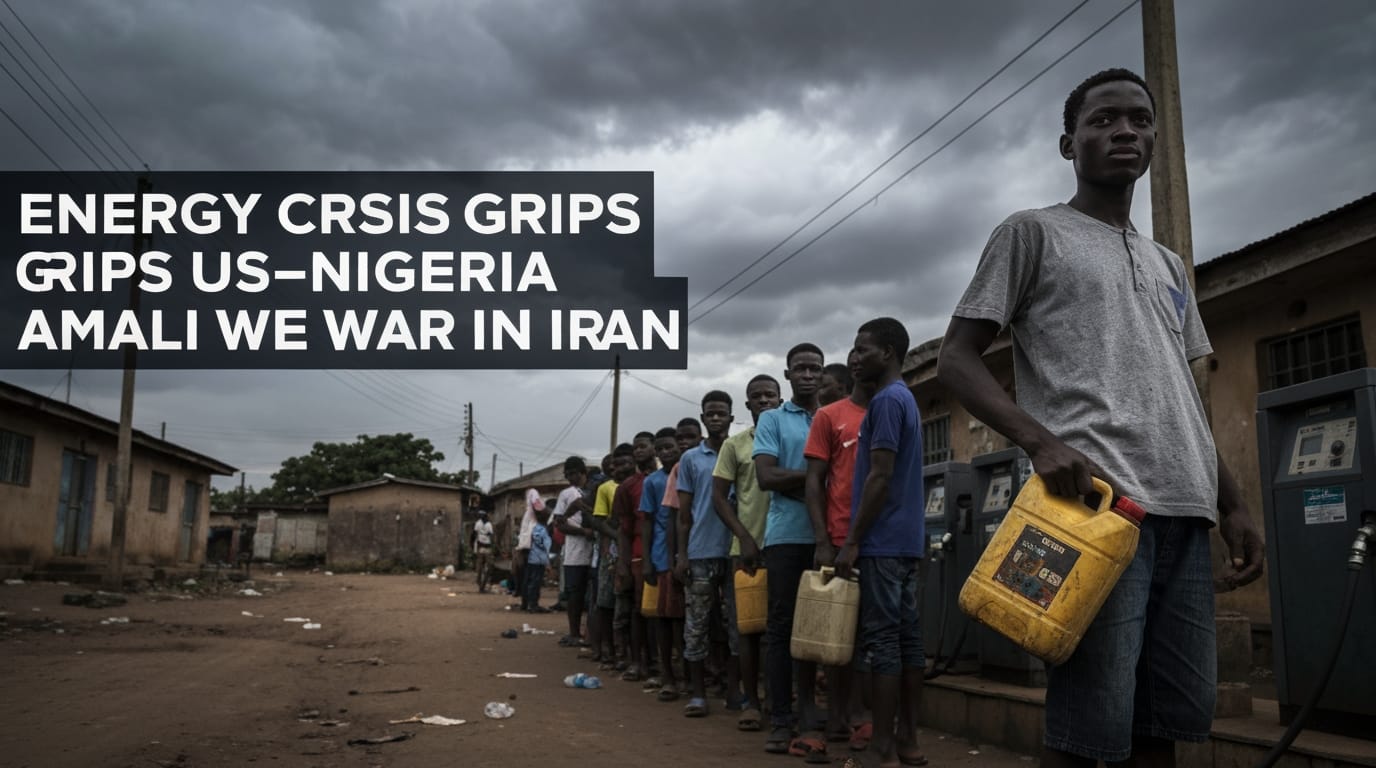
Abuja, Nigeria – A severe energy crisis is tightening its grip on Nigeria, Africa's most populous nation and largest oil producer, as its domestic struggles are exacerbated by a widening military conflict between the United States, Israel, and Iran in the Middle East. The ongoing geopolitical turmoil has sent global oil prices soaring and disrupted critical supply chains, creating a challenging environment for Nigeria, which paradoxically relies heavily on imported refined petroleum products despite its vast crude oil reserves.
Nigeria's persistent electricity deficit, marked by generation capacity far below national demand, has long plagued its economy and citizens. Now, with international energy markets in flux due due to the Middle East war, the cost of imported fuel, essential for both power generation and transportation, is spiraling, pushing millions further into hardship.
Nigeria's Chronic Power Deficit and Fuel Dependency
Nigeria's energy crisis is rooted in deep-seated structural issues within its power sector. Despite an installed electricity generation capacity exceeding 12,000 megawatts, actual generation frequently plummets below 4,000 megawatts, a stark contrast to the estimated 30,000 megawatts required to adequately power its over 220 million people and burgeoning industrial sector. This persistent shortfall is primarily attributed to recurring gas supply constraints affecting numerous thermal power plants, which form the backbone of Nigeria's electricity grid.
The inability of the national grid to provide stable electricity forces an estimated 80 million Nigerian households and businesses to depend on petrol and diesel generators, creating a parallel backup power market valued at over $10 billion annually. The removal of fuel subsidies in 2023 dramatically increased the cost of generator fuel, with budget allocations for State House generator fuel surging by more than 5,000 percent between 2023 and 2026. This heavy reliance on imported refined products leaves Nigeria acutely vulnerable to global market fluctuations, even as it remains a major crude oil exporter.
Middle East Conflict Ignites Global Energy Volatility
The global energy landscape has been profoundly destabilized by the escalating military conflict involving the United States, Israel, and Iran, which intensified in late February and early March 2026. Reports indicate that US and Israeli forces have launched coordinated military operations against Iranian targets, including nuclear facilities, military infrastructure, and leadership. In response to these strikes, Iran has reportedly taken actions near the Strait of Hormuz, a crucial maritime chokepoint through which approximately one-fifth of the world's oil supply and 20% of global liquefied natural gas trade passes. The closure or disruption of this strait has had immediate and severe repercussions for global energy markets, sending oil prices soaring from around $71 to over $100 per barrel.
The conflict has also seen Israel reportedly carry out thousands of strikes in Iran and against Hezbollah in Lebanon, with more than 50,000 Americans returning from the Middle East since the war began. The widening confrontation has been noted by analysts as significantly impacting energy prices and creating substantial economic uncertainty worldwide.
Interconnected Crises: Nigeria's Double Bind
The confluence of Nigeria's domestic energy challenges and the geopolitical crisis in the Middle East has created a "double bind" for the West African nation. As global oil prices surge due to the Middle East conflict, the cost of importing refined petroleum products—a necessity for Nigeria—has become significantly more expensive. This situation directly contributes to higher domestic fuel prices, with petrol now retailing in some areas for over N1,000 per liter, intensifying economic pressures on citizens.
Despite the operationalization of major facilities like the Dangote Refinery, which has a capacity of 650,000 barrels per day, Nigeria still faces challenges in meeting its domestic demand for refined products and reducing its import dependency. The refinery, while a significant step towards self-sufficiency, has at times faced difficulties in securing adequate crude oil supply from local sources, necessitating imports from other countries. Analysts suggest that the ongoing Middle East conflict, by disrupting global oil supply chains and increasing volatility, complicates efforts to stabilize domestic fuel prices and ensure consistent supply to refineries. The country's dependence on imported fuel means that even as its government potentially benefits from higher crude oil export revenues, its citizens bear the brunt of increased costs.
Socio-Economic Impact and Outlook
The escalating fuel prices and chronic power outages are having a profound impact on ordinary Nigerians. Businesses face higher operating costs, leading to increased prices for goods and services, exacerbating inflationary pressures across the economy. For many, the situation means a reduction in disposable income, affecting livelihoods and contributing to widespread public discontent.
The International Energy Agency (IEA) has highlighted Nigeria's electricity supply crisis and transmission infrastructure deficit as persistent challenges, calling for urgent upgrades and capacity additions. While new oil discoveries in northern Nigeria offer long-term hope for expanding energy resources and boosting domestic refining, significant challenges remain in terms of infrastructure development, security, and community engagement.
In this volatile global energy environment, marked by an unprecedented Middle East conflict, Nigeria's path to energy security appears more arduous than ever. The interconnectedness of global geopolitics and local energy systems underscores the urgent need for comprehensive structural reforms, diversification of energy sources, and enhanced domestic refining capacity to shield the nation from external shocks and ensure a stable future for its citizens.


