Explosion Targets Amsterdam Jewish School Amid Surging Antisemitism
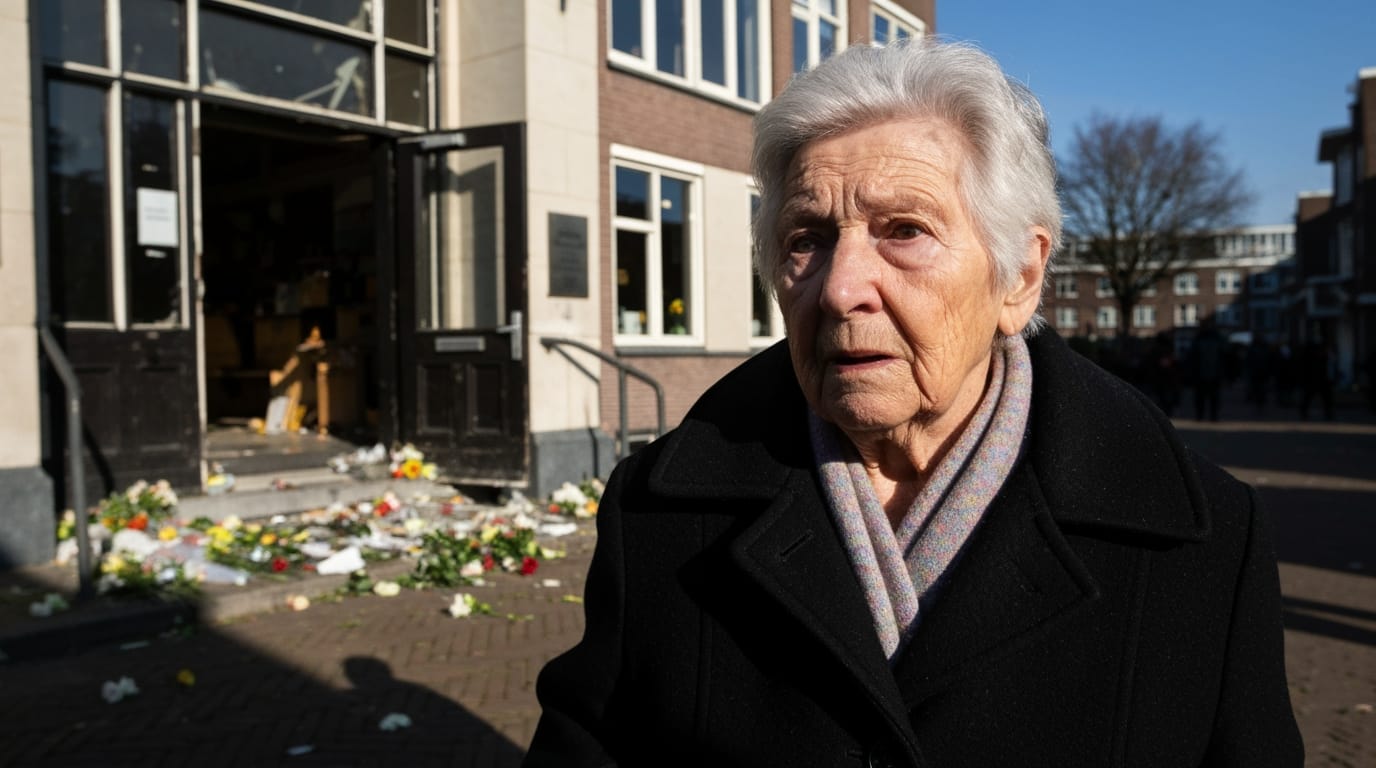
AMSTERDAM – An explosion damaged a Jewish school in Amsterdam early Saturday, March 14, 2026, marking the latest in a troubling series of incidents targeting Jewish institutions across the Netherlands and neighboring Belgium. While the blast at the Cheider school caused only limited damage to an exterior wall and resulted in no injuries, authorities, including Amsterdam Mayor Femke Halsema, have unequivocally condemned the event as a deliberate act of aggression against the Jewish community. The incident underscores a concerning escalation of antisemitism, a phenomenon that has seen an unprecedented rise in the country since late 2023, prompting urgent calls for enhanced security and societal vigilance.
The Assault on the Cheider School
The explosive device detonated at the Orthodox Jewish Cheider school, which provides both primary and secondary education, located on Zeelandstraat in the Buitenveldert district of Amsterdam. The blast occurred overnight, with emergency services, including police and firefighters, arriving swiftly at the scene. Their rapid response helped contain the incident, limiting the structural damage to an outer wall of the school building.
Amsterdam Mayor Femke Halsema issued a statement condemning the attack, characterizing it as a "deliberate attack against the Jewish community" and a "cowardly act of aggression." She highlighted the increasing confrontation with antisemitism faced by Jewish people in Amsterdam, declaring such acts unacceptable. Police have initiated an investigation, meticulously examining camera footage that reportedly shows a suspect placing and igniting the explosive device. This evidence is crucial in identifying those responsible for the assault on an institution dedicated to the education and upbringing of Jewish children.
A Pattern of Targeting: Regional Escalation
The explosion at the Cheider school did not occur in isolation but followed closely on the heels of other alarming incidents targeting Jewish sites within the region. Just a day prior, on Friday, March 13, an arson attack struck a synagogue in Rotterdam, prompting an investigation and the subsequent arrest of four suspects, aged between 17 and 19. These individuals were apprehended in a vehicle near another synagogue, raising questions about potential further planned attacks. Earlier in the week, on Monday, March 9, a synagogue in Liege, Belgium, also sustained damage from an explosion and subsequent fire, further illustrating a disturbing pattern of vulnerability for Jewish communities across Western Europe.
A previously little-known group, identifying itself as the "Islamic Movement of Right-Wing Youth," claimed responsibility for the Amsterdam explosion through an unverified online video. This video reportedly displayed the small explosion and featured the group's logo, which was also observed in relation to the Rotterdam synagogue attack earlier in the week. Authorities have noted that this organization was not previously known to security services, and their claims regarding the Rotterdam and Liege incidents remain unverified. These coordinated or sequential attacks have led to heightened concerns among international bodies and local authorities regarding the safety of Jewish populations, especially in the context of escalating geopolitical tensions, including recent U.S. and Israeli actions in Iran and subsequent responses from Tehran. Justice Minister David van Weel commented on the two consecutive nights of "cowardly attacks," crediting "measures and alertness" for preventing greater damage in Amsterdam.
The Shadow of Rising Antisemitism in the Netherlands
The recent attacks are set against a backdrop of a significant and alarming surge in antisemitic incidents across the Netherlands. Data from the Center for Information and Documentation on Israel (CIDI) reveals a dramatic increase in reports of antisemitic acts, surging by over 800% since October 7, 2023. The year 2024 marked a deeply troubling milestone, with 421 antisemitic incidents registered, representing an 11% increase compared to 2023, which was already considered historically high. This figure is the highest recorded since CIDI began monitoring such incidents four decades ago, indicating what the organization describes as an "antisemitism crisis." The average number of incidents between 2012 and 2022 was 138 per year, highlighting the unprecedented scale of the current surge, which has increased by 305% over the past two years.
This escalation extends beyond mere numbers, encompassing a broader range of attacks, including a 45% rise in confrontations involving insults, threats, and harassment in public spaces, and a 44% increase in vandalism against Jewish targets. Mayor Halsema's observation that Jewish people in Amsterdam are increasingly confronted with antisemitism resonates with these statistics. The ongoing conflict between Israel and Hamas has been identified as a significant catalyst for this alarming rise, fostering an environment where antisemitic sentiments are more openly expressed and acted upon. The profound impact on the Jewish community is palpable, with many feeling unsafe and some even attempting to conceal their Jewish identity in public.
Fortifying Against Fear: Security Measures and Community Resilience
Jewish schools and institutions in Amsterdam have long operated with a heightened level of security, a testament to the persistent threats they face. The Cheider school, in particular, has implemented robust protective measures over the years. These include formidable fencing, strategically placed bollards to deter vehicle-based attacks, and a secure access system featuring a sluice with two steel doors, guarded by security personnel. Military police often patrol the area, and a permanent police post is maintained nearby, with security also present during student outings. Despite these extensive precautions, the recent explosion demonstrates the persistent vulnerability of such institutions.
The current wave of attacks has prompted authorities to implement additional security measures across Jewish sites in the Dutch capital and beyond. This is not the first time the Cheider school has faced direct threats. In February 2025, the school received a chilling email threatening to shoot three children, with the sender justifying the threat by referencing events in Gaza. While police identified a 31-year-old suspect located in Turkey, he remains at large. Furthermore, in October 2023, following calls for protests by Hamas after the attacks in southern Israel, the Cheider school and two other Jewish schools in Amsterdam temporarily closed their doors due to fears of retaliatory actions against Diaspora Jewry. These incidents underscore the constant state of alert within the community and the difficult balance between maintaining open, nurturing environments and ensuring the safety of students and staff.
Confronting a Lingering Threat
The explosion at the Cheider school serves as a stark reminder of the escalating threats confronting Jewish communities in the Netherlands and across Europe. The incident, following closely on other attacks in Rotterdam and Liege, indicates a calculated and regional pattern of aggression. While the absence of injuries in Amsterdam is a fortunate outcome, the deliberate targeting of a children's educational institution carries a profound symbolic weight, intended to instill fear and disrupt the normalcy of Jewish life.
The unwavering condemnation from Dutch officials and the ongoing investigations reflect a commitment to addressing these acts of antisemitism. However, the dramatic increase in antisemitic incidents, as evidenced by CIDI's reports, signals a deeper societal challenge that extends beyond individual acts of violence. Confronting this challenge requires sustained vigilance from law enforcement, but also a broader commitment from society to foster an environment where all communities can live without fear of targeted aggression. As Jewish communities grapple with this lingering threat, the emphasis remains on safeguarding their institutions while advocating for a future where such attacks become a relic of the past, not an increasingly frequent reality.


