Duterte Arrested on ICC Warrant Over Philippines 'Drug War'
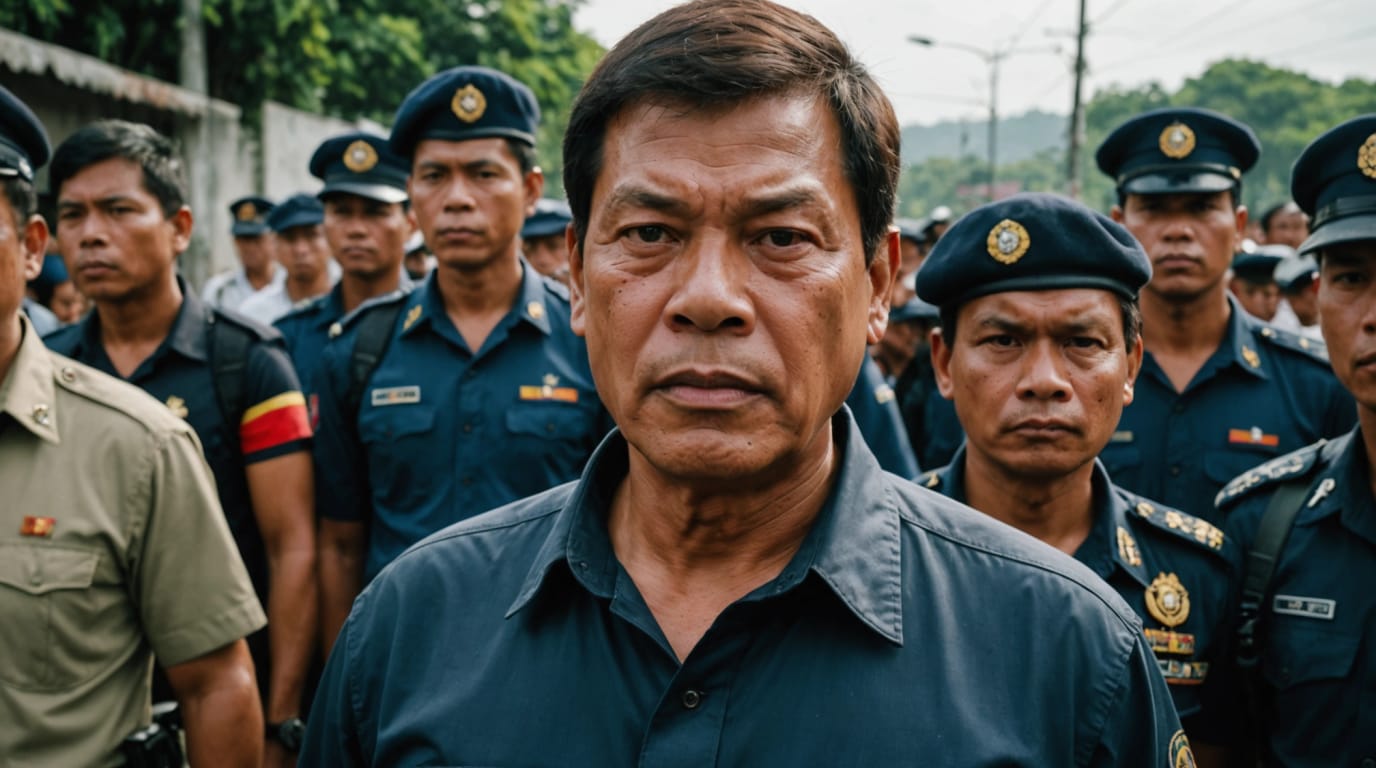
MANILA, Philippines – Former Philippine President Rodrigo Duterte, the man who once vowed to rid the country of drugs with an iron fist, was arrested Tuesday on an International Criminal Court (ICC) warrant, marking a dramatic turn in his post-presidency. The arrest stems from his controversial "war on drugs," which resulted in thousands of deaths and triggered international condemnation.
The Arrest and Its Context
Duterte was taken into custody at Ninoy Aquino International Airport (NAIA) upon his arrival from Hong Kong, according to Philippine authorities. The ICC issued the warrant in connection to its ongoing investigation into alleged crimes against humanity committed during Duterte's anti-drug campaign. The investigation covers the period when the Philippines was a state party to the Rome Statute, the ICC's founding treaty, from November 1, 2011, to March 16, 2019. This includes his time as mayor of Davao City and the first three years of his presidency.
The ICC's involvement began in 2018 when it launched a preliminary examination into the killings associated with the drug war. Prosecutor Fatou Bensouda expressed deep concern over reports of extrajudicial killings of alleged drug dealers and users. In 2019, Duterte responded by withdrawing the Philippines from the ICC, a move widely interpreted as an attempt to evade accountability. However, the ICC maintains jurisdiction over alleged crimes committed while the Philippines was a member.
The 'War on Drugs' and Its Toll
Duterte's "war on drugs," launched soon after he took office in 2016, was characterized by a "shoot-to-kill" policy targeting suspected drug users and dealers. Police were encouraged to use lethal force, and vigilante killings were rampant. Government data reported over 6,200 deaths during anti-drug operations between July 1, 2016, and May 31, 2022. Human rights groups, however, estimate the actual death toll could be as high as 20,000, including those killed by vigilantes.
The campaign disproportionately affected the urban poor, with many victims allegedly killed without due process. Human Rights Watch and other organizations have documented cases of police falsifying evidence to justify unlawful killings. Lawyers and Akbayan party-list nominee Chel Diokno cited an official report listing 20,322 drug-related deaths as “accomplishments,” with 3,967 in police operations and 16,355 in vigilante-style killings.
The ICC Investigation
The ICC's investigation focuses on alleged crimes against humanity, specifically murder, committed in the context of the drug war. The court is examining incidents dating back to November 2011, including Duterte's time as mayor of Davao City, where he was linked to the Davao Death Squad (DDS), a vigilante group responsible for the deaths of hundreds of suspected criminals.
In September 2021, the ICC authorized a formal investigation into the drug war killings. The Philippine government, under Duterte, requested the ICC to defer its investigation, claiming that national authorities were already addressing the issue. However, the ICC rejected this request, stating that it was not convinced that the Philippines was conducting sufficient investigations to justify halting the probe. In January 2023, the ICC pre-trial chamber reopened its investigation.
Legal and Political Implications
Duterte's arrest marks a significant moment in international justice and could have far-reaching legal and political implications for the Philippines. The ICC's investigation challenges the narrative that the drug war was a legitimate law enforcement operation and raises questions about accountability for human rights abuses.
The Philippine Supreme Court ruled in 2021 that the Philippines still has an obligation to cooperate with the ICC proceedings, despite its withdrawal from the Rome Statute. However, the current administration of President Ferdinand Marcos Jr. has taken a cautious approach to the ICC investigation. While Marcos has stated that his administration is studying the possibility of rejoining the ICC, he has also emphasized the country's sovereignty and the need to address its own internal affairs.
The Road Ahead
Following his arrest, Duterte is expected to face extradition proceedings to the Hague, where the ICC is based. The Philippine government will have to decide whether to cooperate with the ICC and surrender Duterte to the court. This decision will likely be influenced by a complex interplay of legal, political, and diplomatic considerations.
The ICC investigation and Duterte's arrest have sparked mixed reactions in the Philippines. Supporters of Duterte maintain that the drug war was necessary to combat crime and protect the country from the scourge of illegal drugs. Critics, however, argue that the drug war was a grave violation of human rights and that those responsible must be held accountable. The case continues to be a polarizing issue in Philippine politics.
The arrest of Rodrigo Duterte on an ICC warrant signifies a pivotal moment in the pursuit of justice for the victims of the Philippines' "war on drugs." The ICC investigation and subsequent legal proceedings will likely have a lasting impact on the country's human rights landscape and its relationship with the international community. The coming months will be crucial in determining the future course of this landmark case and its implications for accountability and the rule of law in the Philippines.


