DW Correspondent Alican Uludag Released with Travel Ban, Raising Renewed Concerns Over Press Freedom in Turkey
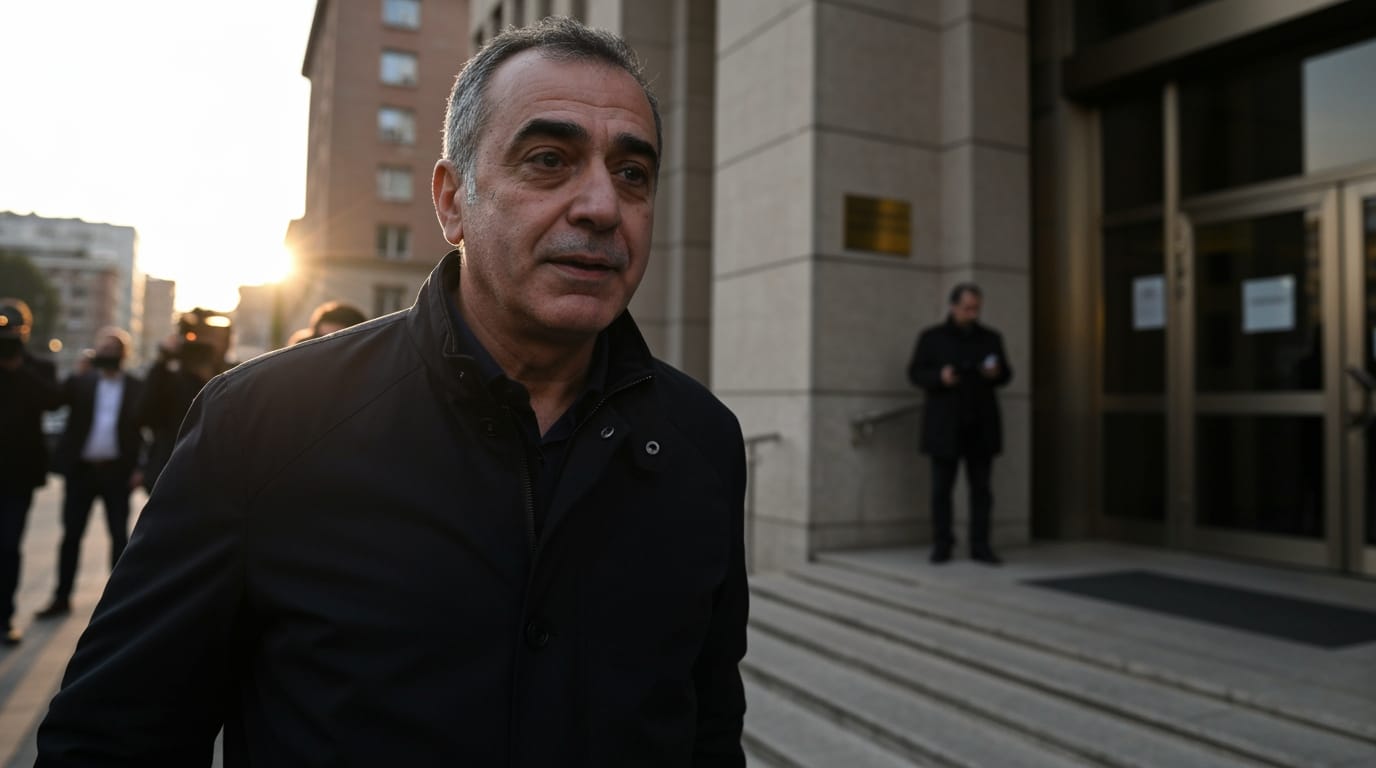
Ankara, Turkey – Deutsche Welle (DW) correspondent Alican Uludag has been released from custody by a Turkish court, but a stringent international travel ban and judicial supervision measures have been imposed, casting a fresh spotlight on the deteriorating state of press freedom in Turkey. The award-winning journalist, known for his critical reporting on the judiciary, was detained Tuesday over a social media post and spent approximately 25 hours in police custody before his conditional release Wednesday. This latest development follows a previous three-month detention earlier this year, signaling a relentless legal pressure campaign against critical voices within the country's media landscape.
The Latest Detention and Judicial Controls
Uludag's most recent entanglement with Turkish authorities began on Tuesday, July 21, when he was taken into custody from his Ankara home. The detention stemmed from a post on X (formerly Twitter) in which he critically analyzed the conduct of criminal investigations in Turkey. Uludag's post alleged that a "new judicial order" had been established, where information detrimental to suspects, including police footage of their detentions, was routinely leaked to pro-government media outlets while individuals were still en route to the police station. He argued that such practices disregarded the presumption of innocence and effectively condemned suspects in the public eye through orchestrated media campaigns. He also noted that detention, which should be an exception, has become the norm, eroding legal security.
Following questioning by the press crimes investigation bureau of the Ankara Chief Public Prosecutor's Office, Uludag was brought before an Ankara criminal judge of peace on Wednesday. The court ordered his release under judicial supervision, but with significant restrictions. These measures include an international travel ban, preventing Uludag from leaving the country, and a requirement to report to a police station four days a week. The charges under investigation involve "inciting hatred and hostility" and "publicly spreading misleading information," highlighting the broad legal framework often utilized against journalists in Turkey.
A Pattern of Legal Harassment Against a Veteran Journalist
This recent detention marks the second time this year that Alican Uludag has faced legal repercussions for his journalistic activities. Just two months prior, in May, he had been conditionally released after spending 90 days in pre-trial detention. That previous arrest, which occurred on February 19, was also linked to social media posts and led to charges of "insulting President Recep Tayyip Erdoğan" and "disseminating false information." Uludag had denied these charges, asserting in court that he was being prosecuted solely for his journalism, stating, "I am a journalist who is being silenced." His trial in that case remains ongoing, with the next hearing scheduled for September 18.
Uludag is a highly respected figure in Turkish journalism, boasting 18 years of experience as a judicial reporter. Throughout his career, he has been recognized for his investigative work, particularly his coverage of corruption investigations, politically sensitive trials, and human rights violations. His consistent focus on the inner workings and potential shortcomings of the judicial system has frequently placed him at odds with authorities.
Turkey's Increasingly Restrictive Environment for the Press
The repeated targeting of Alican Uludag is indicative of a wider, more challenging environment for journalists and press freedom in Turkey. International and domestic observers consistently point to a pattern where broadly worded laws are used to criminalize journalistic expression. Common charges include "insulting public officials," "disseminating misleading information," and "denigrating state institutions," charges frequently leveled against those who scrutinize government actions or policies.
Press freedom monitoring groups paint a stark picture of the situation. According to Expression Interrupted, a press freedom monitoring group, 26 journalists are currently imprisoned in Turkey. The nation's standing in global press freedom rankings has also steadily declined. In the 2026 World Press Freedom Index published by Reporters Without Borders, Turkey ranked 163rd out of 180 countries, a drop from its 159th position the previous year. This consistent downward trend underscores the systemic pressures faced by media professionals attempting to report independently.
International Outcry and Diplomatic Irritation
The latest actions against Uludag have drawn swift and strong condemnation from international bodies and foreign governments. Deutsche Welle, Uludag's employer, expressed its solidarity and firmly stated that "journalistic work must not be criminalized."
The German government, in particular, voiced its "highly irritated" reaction to Uludag's renewed detention. A German government spokesperson emphasized that such actions by Turkish authorities directly violate the principles of press freedom, which Turkey is bound to uphold as a member of the Council of Europe and a signatory to the European Convention on Human Rights. However, Berlin also clarified its limitations in direct intervention, noting that its consulates and embassy could not become involved in Uludag's case because he is not a German national.
Press freedom organizations such as Reporters Without Borders (RSF) and Amnesty International have consistently rallied behind Uludag, describing the ongoing legal proceedings as "relentless persecution." Domestically, Turkish press organizations gathered outside the Ankara Courthouse during Uludag's appearance, chanting "Journalism is not a crime" and demanding his immediate and unconditional release.
Conclusion: A Chilling Effect on Turkish Journalism
The conditional release of Alican Uludag, coupled with a travel ban and ongoing judicial supervision, represents a continuation of the significant challenges faced by independent journalism in Turkey. While his release from detention offers a measure of relief, the imposed restrictions severely impede his professional and personal freedoms. The case serves as a poignant illustration of the broader struggle between authorities and a press seeking to uphold its role as a public watchdog.
The persistent legal battles against seasoned journalists like Uludag not only impact the individuals directly involved but also cast a chilling effect across the entire media landscape, potentially leading to self-censorship and a reduction in critical reporting. The international community continues to monitor these developments closely, reiterating calls for Turkey to align its practices with its international commitments to freedom of expression and press freedom, fundamental tenets of any democratic society.


