DW Correspondent Arrested in Niger Amid Mounting Press Freedom Concerns
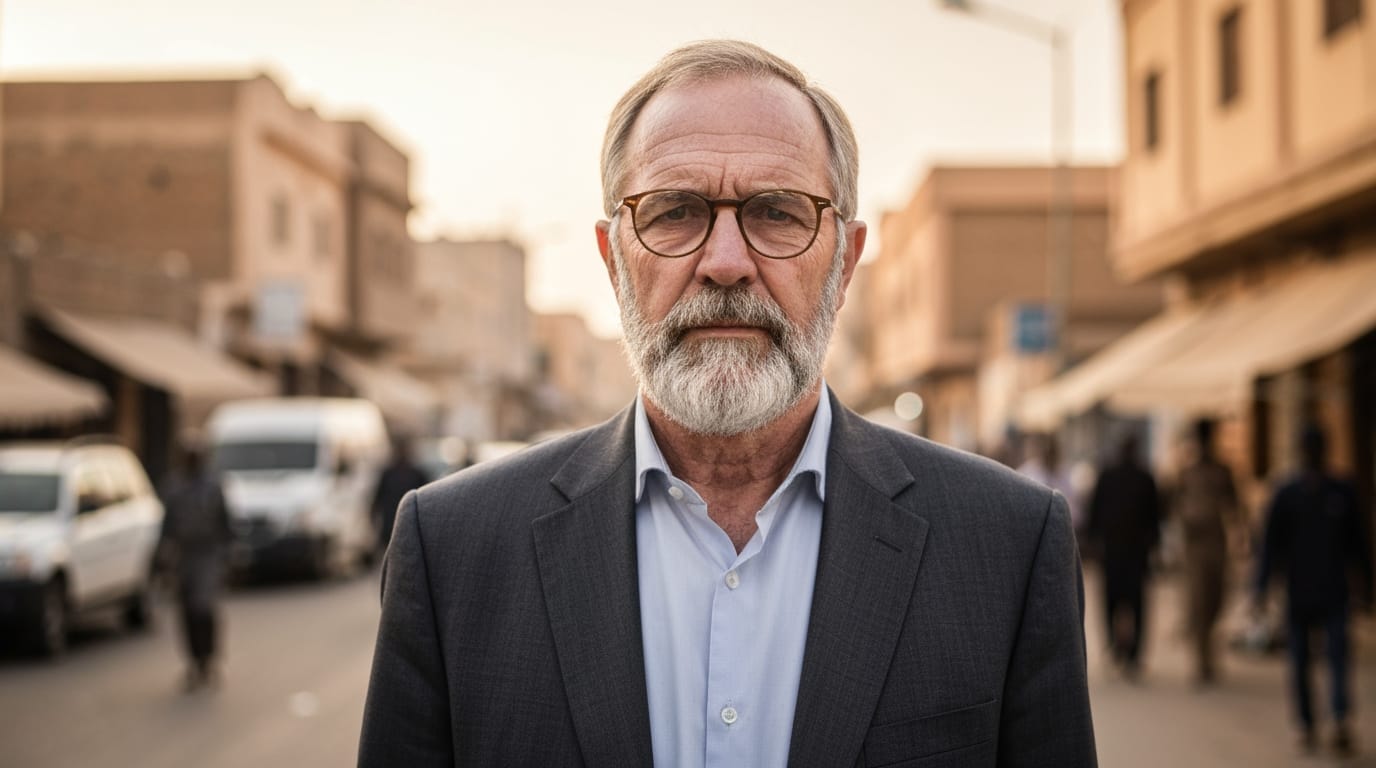
Niamey, Niger – Gazali Abdou, a correspondent for the German international broadcaster Deutsche Welle (DW), has been incarcerated in Niamey, the capital of Niger, according to reports from the broadcaster. His arrest on Friday marks a significant escalation in the ongoing crackdown on press freedom in the West African nation, which has been under military rule for over two years. While Deutsche Welle confirmed the detention of an employee, the specific charges or official reasons for Abdou's incarceration have not been formally detailed by authorities. However, sources close to the journalist suggest the arrest is linked to a recent report he produced on the precarious living conditions of Nigerian refugees in Niamey.
The Report That Preceded the Detention
Abdou's detention reportedly follows the publication of a sensitive report on January 15 by Deutsche Welle, which highlighted the dire situation of Nigerian refugees in the Nigerien capital. The report, produced in the Hausa language, depicted dozens of Nigerian migrants and refugees—primarily women and children—forced to shelter in cemeteries and derelict buildings, enduring harsh conditions under the scorching sun. One young refugee interviewed for the report described losing all possessions, including Red Cross provisions, after their makeshift dwelling was destroyed by fire.
This broadcast appears to have drawn swift attention, as the Nigerien Minister of Foreign Affairs reportedly met with a delegation from the Nigerian embassy the following Tuesday to discuss the plight of approximately 1,300 Nigerian refugees in Niamey. During this meeting, the Minister acknowledged the "particularly painful situation" faced by these individuals, according to a statement from the ministry. The timing suggests a direct correlation between Abdou's reporting and the governmental acknowledgment of the issue, underscoring the potential impact of his journalistic work.
A Climate of Repression: Press Freedom Under Military Rule
Abdou's arrest is not an isolated incident but rather fits into a broader pattern of increasing repression against media and dissenting voices in Niger since the military junta seized power in July 2023. International non-governmental organizations (NGOs) have consistently condemned the deteriorating environment for journalists and human rights activists. Amnesty International, for instance, has reported a significant rise in violations of civil and political rights within the country since the coup.
Reporters Without Borders' latest World Press Freedom Index ranks Niger 83rd out of 180 countries, indicating a decline of three places in 2025 alone. This downward trend reflects a concerted effort by the military regime to control information and stifle critical reporting. The junta has been particularly intolerant of any narratives perceived as undermining its authority or stability.
Prior to Abdou's arrest, other journalists and civil society figures have faced severe penalties. In September, journalist and civil society figure Hassane Zada was sentenced to 30 months in prison for "insulting remarks" directed at the head of the junta, General Abdourahamane Tiani. More recently, in October, six other Nigerien journalists were arrested in Niamey. They were charged with "complicity in distributing documents likely to disturb public order" under the country's 2019 cybercrime law. These arrests were reportedly linked to the circulation of an invitation to a press briefing from the president of Niger's Solidarity Fund for the Safeguarding of the Homeland, a fund established after the coup. Such incidents illustrate the extensive reach of laws, like the cybercrime act, in suppressing media scrutiny and public discourse.
Implications for International Journalism and Human Rights
The detention of a correspondent for an international news organization like Deutsche Welle sends a chilling message to both local and foreign journalists operating in Niger. It underscores the risks associated with reporting on sensitive social and political issues in a country where state control over information is tightening. For DW, the arrest of Gazali Abdou represents a direct challenge to its mission of providing independent journalism, particularly in regions where such reporting is most crucial. The lack of detailed official reasons for the arrest, coupled with the alleged link to Abdou's refugee report, raises serious concerns about arbitrary detention and the weaponization of legal frameworks to silence the press.
This incident is likely to prompt further condemnation from international press freedom advocates and human rights organizations, urging the Nigerien authorities to ensure due process and, ultimately, Abdou's release. The continued targeting of journalists impedes the flow of vital information, not only to the international community but also to the citizens of Niger, hindering their ability to make informed decisions about their society and governance.
The Human Element: Echoes of Vulnerability
At the core of this escalating situation lies the plight of the vulnerable populations whose stories Gazali Abdou sought to tell. His report brought to light the suffering of Nigerian refugees, who, displaced by conflict and hardship, found themselves in precarious conditions within Nigerien borders. The journalist's arrest, while a separate incident, inadvertently amplifies the very issues he was covering. It draws further international attention to the humanitarian concerns in Niger and the challenges faced by those who seek to expose them. The intersection of press freedom violations and humanitarian crises creates a complex narrative where the suppression of information can have tangible consequences for those already marginalized.
Conclusion
The incarceration of Deutsche Welle correspondent Gazali Abdou represents a disturbing development in Niger's increasingly restrictive landscape for media and human rights. His arrest, allegedly tied to reporting on the dire conditions of Nigerian refugees, highlights the precarious position of journalists working under a military regime intent on controlling public narratives. This incident, set against a backdrop of previous detentions and the erosion of press freedoms, underscores the urgent need for international attention and advocacy. As Niger continues its path under military rule, the struggle for transparent information and the protection of those who seek to provide it remains a critical battle, with profound implications for both democratic principles and humanitarian well-being.


