Earthquake Death Toll in Myanmar Soars as Junta Rejects Truce
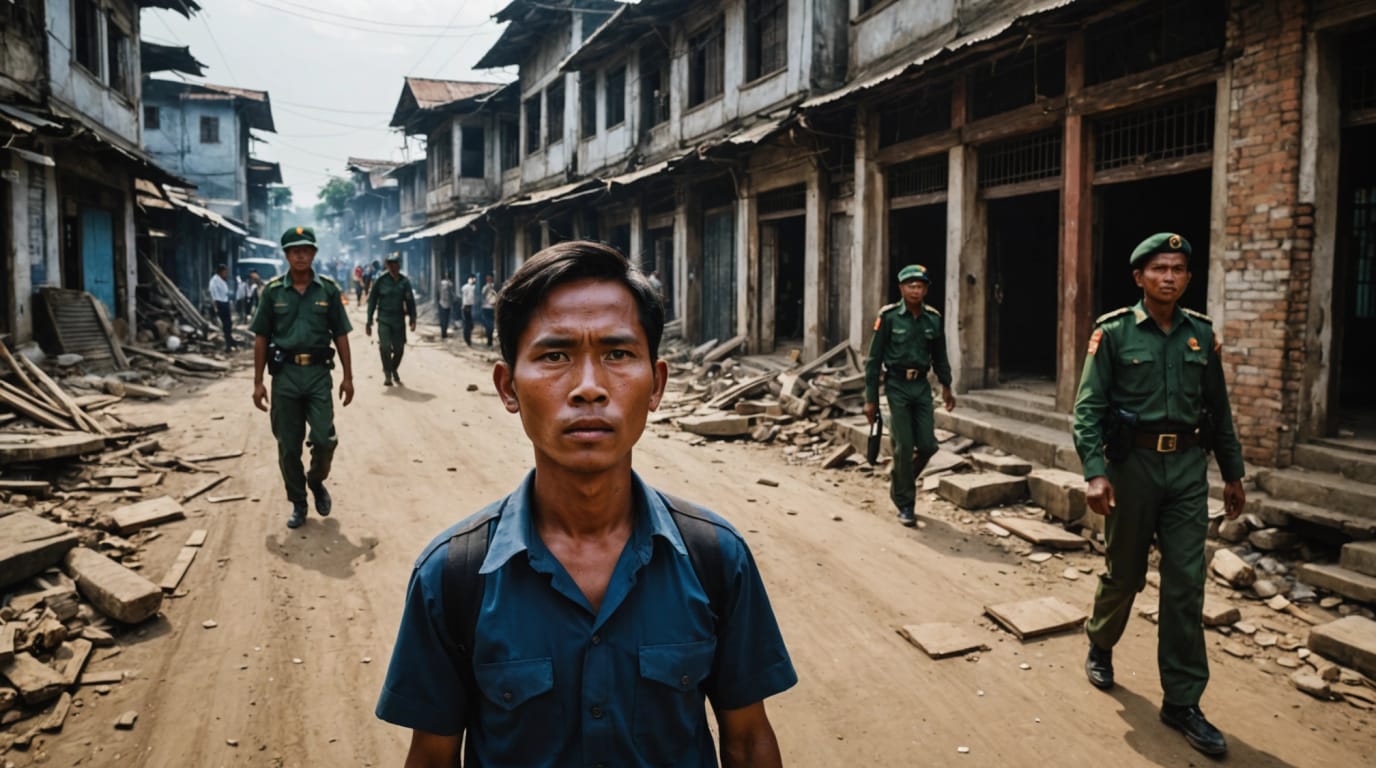
YANGON, Myanmar – The aftermath of the devastating 7.7 magnitude earthquake that struck Myanmar last week is growing increasingly dire, with the death toll climbing to at least 2,719 and hundreds still missing. Compounding the tragedy, the ruling military junta has rejected calls for a ceasefire, raising concerns about the delivery of crucial aid to affected areas and further endangering civilians.
Rising Casualties and Devastation
The earthquake, which struck on March 28, 2025, has caused widespread destruction across the country, particularly in the Sagaing region. According to local residents and relief organizations, nearly 90% of homes in Sagaing City have been destroyed. Rescue efforts are underway, but are hampered by a lack of equipment and restricted access to the affected areas. An official from the Thukha Kari Social Aid Association, based in Sagaing, reported that the collapsed buildings require heavy machinery to excavate, with each site taking one to two days to clear. The official added that the priority is providing water, food, and shelter to survivors. Due to the high number of fatalities, bodies are being buried in mass graves after family members are notified, or cremated in open-air pyres. The junta announced on March 31 that the earthquake resulted in 2,065 deaths, 3,900 injuries, and nearly 300 people missing. However, Human Rights Watch warns that the actual number of fatalities could be significantly higher without immediate humanitarian intervention.
Junta Refuses Ceasefire
Amidst the devastation, Senior General Min Aung Hlaing, head of Myanmar's ruling junta, has rejected ceasefire proposals from ethnic armed organizations (EAOs) and the National Unity Government (NUG), a shadow government formed in exile after the 2021 coup. These proposals aimed to facilitate the delivery of desperately needed earthquake relief. Instead, Min Aung Hlaing has declared a continuation of military operations, accusing EAOs of using the pause in fighting to regroup and train. "Some ethnic armed groups may not be actively engaging in battles right now, but they are gathering and training in preparation for attacks. Since this is a form of aggression, the military will continue necessary defense operations," he said during a fundraising event in Naypyidaw on Tuesday.
Humanitarian Crisis Deepens
The junta's refusal to halt military operations is exacerbating the humanitarian crisis. The ongoing conflict restricts access for aid workers and prevents the delivery of essential supplies to those in need. The junta's crackdown on the private health sector and the suppression of striking public hospital doctors has further crippled access to vital medical care, compounding the suffering of the injured. Human Rights Watch and Amnesty International have called on the junta to facilitate relief efforts and join opposition groups in a partial ceasefire. They also urge that any donations be funneled through independent, local aid groups instead of the government, citing concerns about corruption and mismanagement of aid.
International Response and Challenges
The Myanmar government has requested international assistance, but continues to limit relief efforts. A nationwide curfew implemented during COVID-19 remains in place, and the government has continued to launch airstrikes against civilian targets in areas affected by the earthquake. Media blackouts and unreliable official accounts make a full picture of the disaster difficult to discern. The international community faces significant challenges in providing aid to Myanmar due to the ongoing conflict, the junta's restrictions, and concerns about ensuring aid reaches those who need it most.
A Nation in Crisis
The earthquake has struck Myanmar at a time when the country is already facing a multitude of crises, including a violent civil war, economic despair, and the COVID-19 pandemic. The military seized power in a coup in February 2021, overthrowing the democratically elected government and plunging the country into chaos. The junta's refusal to implement a ceasefire in the wake of the earthquake underscores its disregard for human life and its determination to maintain power at all costs. The people of Myanmar are now facing a double tragedy: the devastation of a natural disaster and the ongoing violence and oppression of a military regime. The international community must step up efforts to provide humanitarian assistance and to pressure the junta to end its attacks on civilians and allow aid to reach those in need.


