Ebola Crisis Deepens in Eastern Congo as Deaths Surpass 1,000 Mark
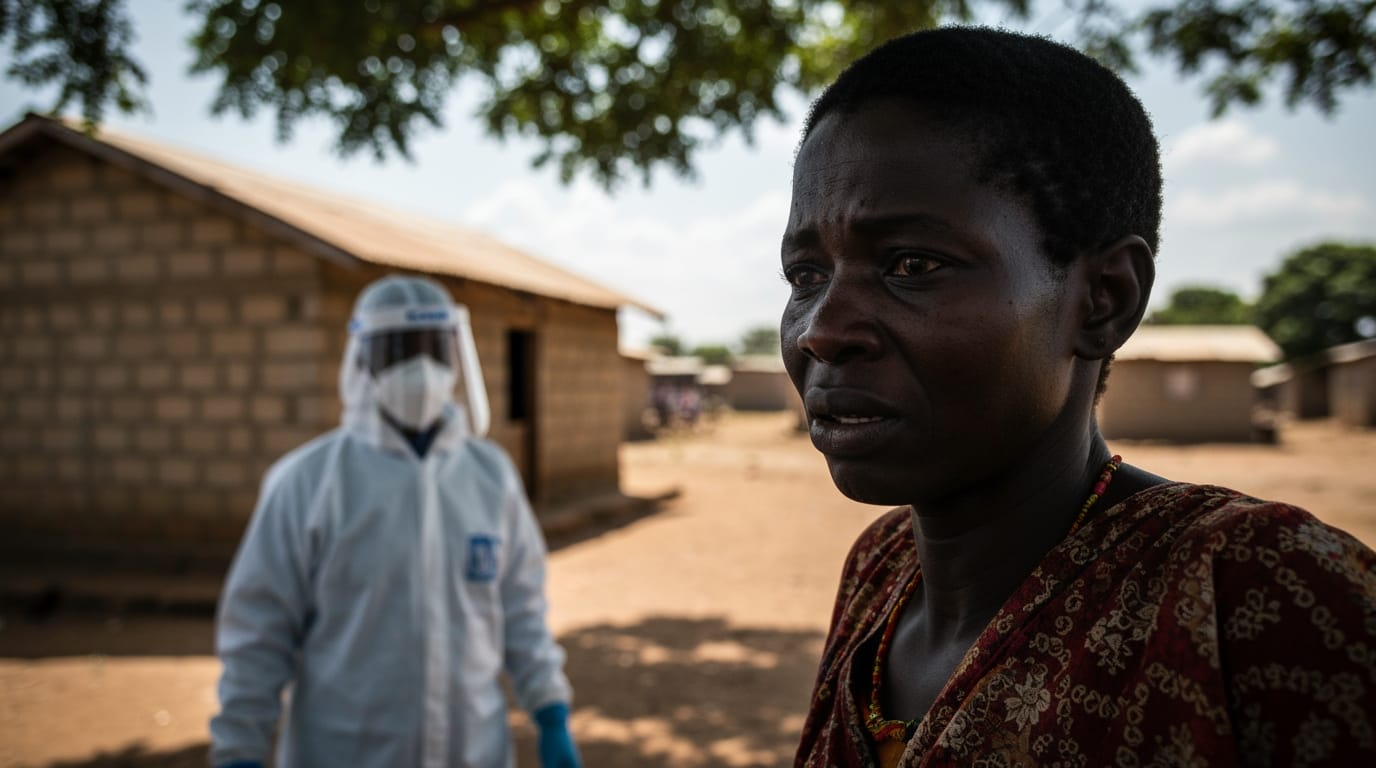
Bunia, Democratic Republic of Congo – The Democratic Republic of Congo (DRC) is grappling with an escalating Ebola epidemic in its eastern provinces, as the death toll from the current outbreak officially crossed the 1,000 mark this week. The grim milestone underscores the severe challenges facing health officials and international aid organizations battling one of the fastest-spreading Ebola outbreaks on record, complicated by entrenched conflict, deep-seated community mistrust, and the absence of approved vaccines or treatments for the specific viral strain.
A Rapidly Spreading Threat
The current outbreak, the 17th in the DRC's history, was officially declared on May 15, 2026, primarily affecting the eastern provinces of Ituri and North Kivu. However, health officials believe the virus had been circulating undetected for weeks, possibly months, prior to its identification in January or February 2026 in the mining town of Mongbwalu. As of the latest reports, confirmed cases have surged past 2,400, with deaths nearing or exceeding 1,000. This rapid escalation prompted the World Health Organization (WHO) to declare the situation a Public Health Emergency of International Concern (PHEIC) on May 16, 2026, signaling the urgent need for a coordinated global response. Cases have also been reported in South Kivu, Haut-Uélé, and Tshopo Provinces, with imported cases identified in Uganda's capital, Kampala, and even France, highlighting the potential for broader regional and international spread.
A critical factor exacerbating the current crisis is that this outbreak is caused by the Bundibugyo virus strain, for which no licensed vaccines or specific treatments are currently available. This stands in stark contrast to previous outbreaks, such as the devastating 2018-2020 epidemic in North Kivu and Ituri, which was caused by the Zaire strain and benefited from the deployment of highly effective experimental vaccines. The lack of such countermeasures for the Bundibugyo strain means response strategies must rely heavily on traditional public health measures: supportive care, early case detection, stringent infection prevention and control, rigorous contact tracing, and safe burial practices.
Battling on Multiple Fronts: Conflict and Mistrust
The fight against Ebola in eastern DRC is not solely a medical one; it is a battle waged amidst a complex backdrop of socio-political instability and armed conflict. The region has been plagued by decades of violence, with numerous armed groups operating, leading to widespread displacement and severely hampering response efforts. Insecurity creates significant obstacles for health workers, restricting access to affected communities, making contact tracing difficult, and disrupting vital outreach activities. Violence against healthcare workers has also been reported, further endangering those on the front lines.
Compounding the security challenges is a pervasive lack of trust and outright resistance from some local communities. This mistrust, fueled by historical grievances, misinformation, and cultural sensitivities around burial practices, often leads to non-compliance with public health directives and, in some cases, overt hostility towards response teams. Only an estimated 30% to 55% of cases are being effectively contact traced, a critical component of containing the virus. The perception that Ebola is fabricated or that treatment centers are places where people die, rather than recover, makes community engagement an arduous but essential task. Response teams are striving to build trust by working with local leaders and networks to disseminate accurate, scientific information.
The Toll on Communities and Infrastructure
The remoteness of many affected areas, coupled with the DRC's weak and damaged healthcare infrastructure, presents formidable logistical hurdles. Some health zones are reachable only by river or after hours of difficult travel through dense forests. This inaccessibility makes it challenging to deliver supplies, deploy personnel, and establish crucial treatment and surveillance facilities. The conflict has also resulted in massive population displacement, with millions uprooted from their homes. Overcrowded displacement camps become hotbeds for disease transmission, posing an increased risk to vulnerable populations already lacking basic services like clean water and adequate sanitation.
The human cost extends beyond direct fatalities. Families are torn apart, children are orphaned, and the social fabric of communities is strained. The economic repercussions are also significant, as trade and daily life are disrupted, deepening the already severe poverty in the region. The lack of resources and ongoing instability mean that this outbreak not only threatens lives but also undermines long-term development and stability in eastern Congo.
Concerted Efforts Amidst Adversity
Despite the immense challenges, a multi-faceted response is underway, involving the DRC Ministry of Health, the WHO, and numerous international non-governmental organizations such as Doctors Without Borders (MSF) and International Medical Corps. These efforts focus on strengthening surveillance, laboratory testing, infection prevention and control, and rapid treatment. Community engagement teams are working tirelessly to educate residents, address concerns, and foster cooperation. International bodies like the World Bank and the U.S. government, through its State Department and CDC, have mobilized significant financial resources and technical support, aiming to contain the spread, protect health workers, and reinforce health systems in the DRC and neighboring countries like Uganda.
Uganda, in particular, has proactively responded by enhancing surveillance, testing, and care along its border with the DRC. This regional preparedness is crucial, given the high mobility of populations across porous borders. While the absence of a Bundibugyo vaccine is a major setback, ongoing research and development initiatives are mobilizing to identify and advance potential medical countermeasures.
An Uncertain Future
The milestone of over 1,000 deaths casts a stark light on the urgent and complex nature of the Ebola crisis in eastern Congo. The outbreak's unprecedented speed and the unique challenges posed by the Bundibugyo strain, coupled with the region's chronic instability and community mistrust, demand sustained and adaptable international support. Experts warn that the epidemic has yet to peak, and without effective and consistent intervention, the true scale of the outbreak could considerably exceed confirmed numbers, with potential for wider regional destabilization. The long-term recovery of these communities will depend not only on containing the virus but also on addressing the underlying issues of conflict, poverty, and weak governance that continue to fuel such devastating health emergencies.


