Echoes in the Gloom: Unraveling the Enduring Allure of the Gothic Mystery
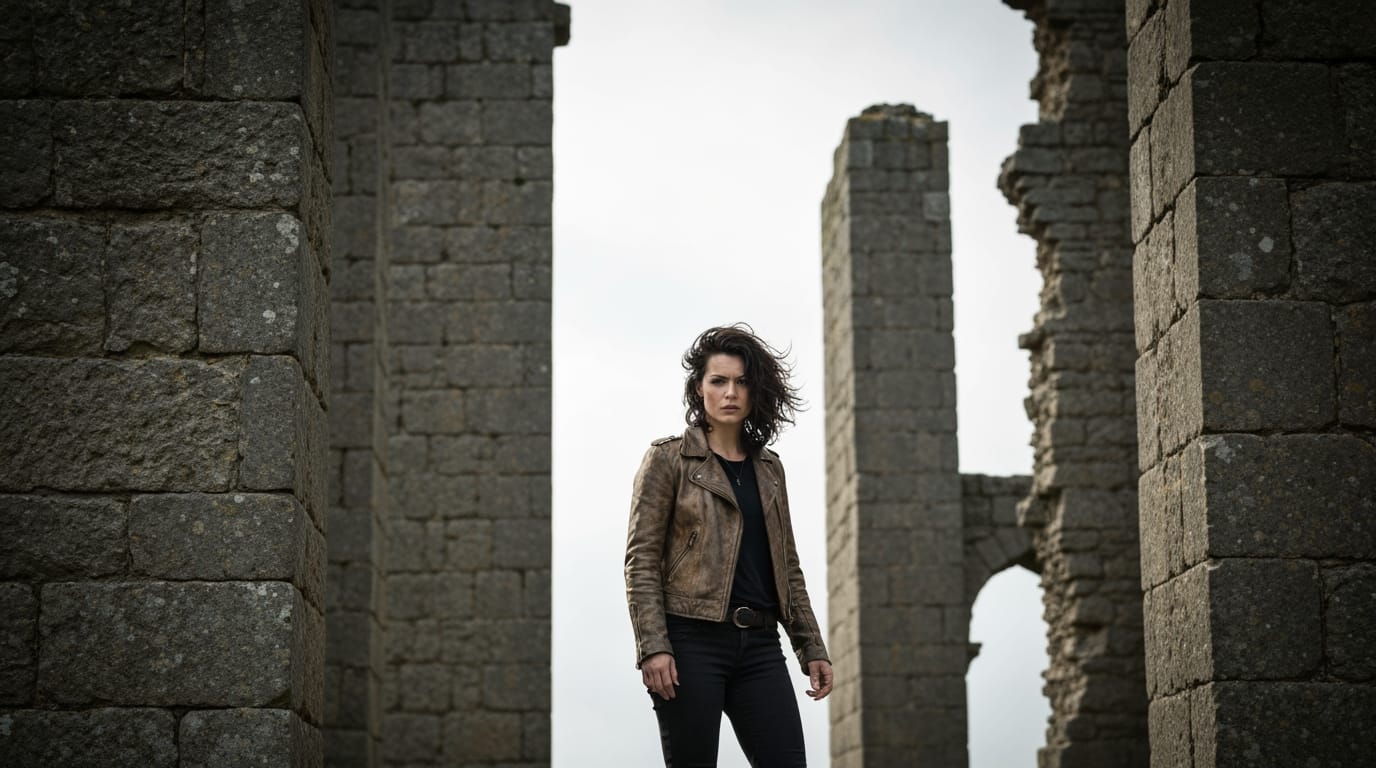
The creaking door, the isolated castle, the chilling secret lurking in the shadows—these archetypes, deeply etched into the collective imagination, are the hallmarks of the Gothic mystery. More than just a genre, it is a literary landscape of fear and haunting, where the past intrudes relentlessly upon the present, and the unknown beckons with both terror and irresistible fascination. Born in a whirlwind of 18th-century Romanticism, the Gothic mystery has transcended its initial medieval trappings to become a foundational element in suspense, horror, and psychological thrillers, captivating generations with its unique blend of atmosphere, psychological depth, and enigmatic narratives.
The Genesis of Shadow and Suspense
The lineage of the Gothic mystery can be traced back to the mid-18th century, emerging as a distinct literary movement that deliberately pushed against the prevailing rationality of the Enlightenment. Horace Walpole's 1764 novel, "The Castle of Otranto," widely considered the genre's progenitor, set the stage for much that would follow. Initially presented as a rediscovered medieval manuscript, Walpole's work introduced elements that would become synonymous with Gothic fiction: ancient prophecies, tyrannical figures, a helpless heroine, and a pervasive sense of the supernatural. The term "Gothic" itself, derived from the medieval architectural style, evoked a sense of antiquity, decay, and the barbaric, which appealed to a society eager to embrace the mysterious and the macabre. Early Gothic writers found inspiration in the crumbling facades of medieval castles and monasteries, using these physical settings as metaphors for moral and psychological decay. These imposing structures, often replete with secret passages, hidden chambers, and subterranean tunnels, became central to plots steeped in suspense and inexplicable events.
The Architecture of Dread: Settings and Atmosphere
At the heart of every compelling Gothic mystery lies its setting and atmosphere. Far from mere backdrops, these environments are active participants in the unfolding drama, meticulously crafted to evoke a pervasive sense of dread and unease. Dilapidated castles, isolated manors, and fog-shrouded landscapes are not just locations; they are characters in themselves, often mirroring the internal turmoil and fractured psyches of their inhabitants. The atmosphere is typically claustrophobic, characterized by shadows, flickering lights, and the ever-present threat of the unknown. This emphasis on environment creates a tangible sense of suspense, leading readers to question what lurks behind every locked door or down every winding corridor.
The genre thrives on the "intrusion of the past upon the present," where ancient secrets, familial curses, or historical wrongs refuse to remain buried. This enduring connection to history often fuels the central mystery, demanding that protagonists unravel long-forgotten events to understand their current predicaments. Omens, portents, and visions frequently foreshadow impending doom, weaving a complex web of anticipation and fear. Whether the events are genuinely supernatural or later revealed to have rational explanations, the ambiguity itself serves to heighten the tension, blurring the lines between reality and the spectral.
Characters in the Labyrinth: Psychological Depths and Moral Ambiguity
Gothic mysteries are populated by a cast of archetypal yet deeply complex characters, each contributing to the pervasive sense of enigma. The "damsel in distress" is a recurring figure, often an innocent young woman navigating perilous circumstances, frequently at the mercy of manipulative or oppressive male figures. Counterbalancing her is the brooding, often Byronic hero or the overtly sinister villain, whose allure can be as dangerous as their intentions. These characters are rarely painted in stark black and white; moral ambiguity is a cornerstone of the genre. Villains might possess seductive charm, and heroes may grapple with their own dark impulses and past traumas, making their actions and motives inherently mysterious.
A significant element explored within these narratives is madness, which often serves as a terrifying, intangible monster lurking within the human mind. Whether it manifests as the result of societal repression, inherited trauma, or encounters with the unspeakable, madness blurs the perception of reality, plunging both characters and readers into a state of disorienting uncertainty. The psychological torment experienced by characters—intense emotions like fear, anger, sorrow, and surprise—is often presented with a high degree of melodrama, contributing to the genre's distinct emotional landscape.
From Ancestral Curses to Modern Enigmas: The Genre's Evolution
While its roots are firmly planted in the 18th century, the Gothic mystery proved remarkably adaptable, evolving to reflect changing societal anxieties and literary tastes. The 19th century saw its influence permeate the works of Victorian authors like Charles Dickens and the Brontë sisters, who integrated Gothic aesthetics into urban settings or remote moors, respectively. American writers such as Edgar Allan Poe embraced its themes of psychological trauma and the macabre, effectively transitioning the focus from external, architectural horror to internal, mental disintegration.
The genre's DNA is evident in the development of detective fiction, with Edgar Allan Poe, a key figure in both, laying the groundwork for how mystery and suspense could be meticulously constructed. Authors like Wilkie Collins, with his intricate plots and focus on hidden truths, further cemented the connection between Gothic elements and the burgeoning detective story. Horror literature, too, owes a significant debt to the Gothic, with classics like Bram Stoker's "Dracula" and Mary Shelley's "Frankenstein" showcasing supernatural beings and existential themes within distinct Gothic frameworks.
In the 20th and 21st centuries, the Gothic mystery continues to thrive, often blending seamlessly with contemporary genres. Daphne du Maurier's "Rebecca" stands as a modern classic, utilizing a decaying estate and the haunting presence of a deceased wife to weave a psychological suspense narrative. Contemporary authors continue to explore Gothic sensibilities, setting mysteries in modern environments while retaining the core elements of atmosphere, psychological tension, and unresolved secrets. From "Southern Gothic" literature, with its focus on decay and dark family histories in the American South, to contemporary thrillers featuring isolated locations and ambiguous threats, the genre consistently reinvents itself.
The Enduring Whisper of the Unknown
The enduring appeal of the Gothic mystery lies in its profound ability to tap into fundamental human fears: the fear of the unknown, the fear of the past's inescapable grasp, and the unsettling realization that the greatest monsters might reside within ourselves or within the confines of our own homes. It challenges readers to confront the irrational, to question reality, and to delve into the darker aspects of human nature. By presenting intricate puzzles often tied to historical injustices or deeply buried secrets, the Gothic mystery offers a cathartic exploration of trauma and the consequences of moral failings.
Its narrative structure, often fragmented with discovered manuscripts or shifting perspectives, mirrors the fractured realities faced by its characters, drawing readers deeper into the labyrinthine plots. Whether manifesting through spectral apparitions or the insidious workings of a disturbed mind, the genre promises a journey into the unsettling, where truth is elusive and fear is palpable. The Gothic mystery remains a potent force in literature, a testament to humanity's timeless fascination with the shadows, the secrets, and the compelling allure of the unexplained.


