Economic Strains and Regional Disparities Redraw the Political Landscape in Mecklenburg-Western Pomerania
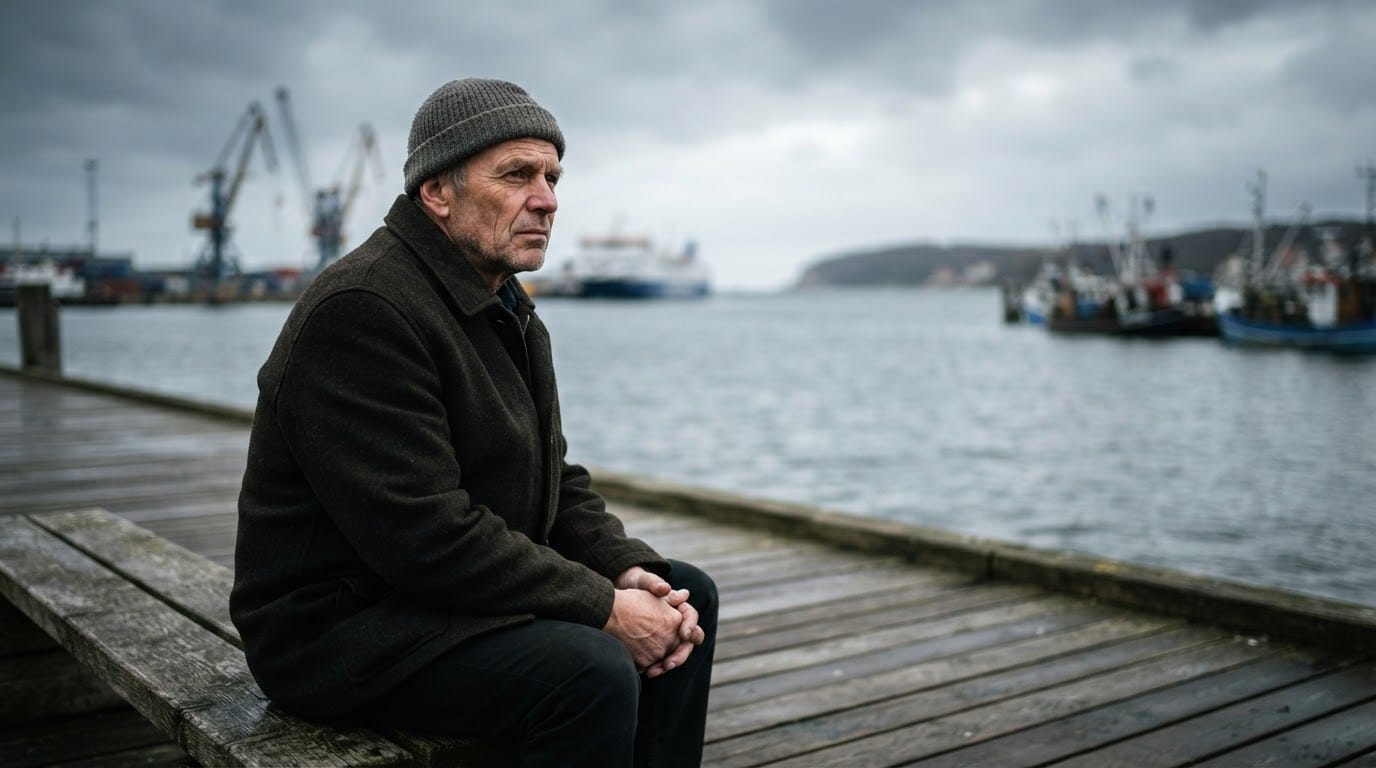
SCHWERIN, Germany — Decades after German reunification, economic anxiety and persistent regional disparities have returned to the center of regional politics in Mecklenburg-Western Pomerania. The northeastern coastal state, known for its Baltic resorts and vast agricultural plains, has become a key barometer of public sentiment. Voters increasingly evaluate political leaders not on broad ideological pledges, but on their ability to protect jobs, cushion rising living costs, and secure long-term public services.
Recent regional elections demonstrate how strongly these material pressures influence ballot choices. Support for non-traditional parties has surged as household budgets tighten under elevated energy costs and persistent wage gaps. For mainstream parties that have governed the state for decades, addressing economic insecurity has shifted from a routine platform item to a crucial condition for political survival.
Persistent Wage Gaps and the Legacy of Deindustrialization
Mecklenburg-Western Pomerania continues to grapple with deep structural weaknesses inherited from its post-1990 transition. Following reunification, the restructuring of former East German enterprises sharply reduced manufacturing and maritime jobs. Traditional strongholds such as shipyards and port processing facilities contracted, leaving lasting gaps in the regional industrial base.
Today, wage levels in the state remain among the lowest across Germany. Average gross pay consistently trails the western states, and roughly one in six residents lives at or near the poverty threshold. Regional unemployment hovers near 8 percent, while youth joblessness exceeds 9 percent. These figures sit well above national benchmarks, fueling frustration among workers who feel left behind by the broader economy.
This wage gap has also accelerated demographic strain. Over the past three decades, the state lost roughly a quarter of a million people as younger and higher-skilled workers moved to wealthier western hubs or larger urban centers. The resulting aging population places an added burden on rural health care, public transportation, and school networks, leaving many communities feeling economically exposed.
Tourism, Services, and Seasonal Vulnerabilities
In response to manufacturing losses, the regional economy pivoted toward services and tourism. The coastal tourism industry now provides employment for more than 120,000 residents. Visitors flock each summer to the islands of Rügen and Usedom, boosting hospitality revenues and retail activity along the coast.
Yet economic analysts frequently note that tourism has not fully replaced the stable, well-compensated industrial jobs lost in earlier decades. Much of the sector relies on seasonal contracts and entry-level wages, leaving workers vulnerable during the long winter off-season.
Recent inflationary shocks have compounded these vulnerabilities. Rising food and fuel costs have squeezed family budgets while cutting into discretionary spending for middle-class travelers. Business owners along the Baltic coast report difficulties filling positions because high living costs make low-wage service work increasingly unsustainable for local workers.
Energy Transition and Industrial Ambitions
State leaders have attempted to rewrite this economic narrative by positioning the region as a green energy pioneer. Mecklenburg-Western Pomerania currently generates more than double its own electricity needs through onshore and offshore wind farms, solar installations, and biomass facilities.
Proponents of this strategy argue that an abundance of clean power provides a competitive edge to attract modern manufacturing, such as battery factories, hydrogen production, and data processing centers. Local officials frequently highlight that affordable green energy could revitalize coastal ports and attract fresh private investment.
However, the energy transition has also drawn criticism. Rural residents frequently point out that despite hosting extensive wind farms, local households face steep electricity tariffs. Critics argue that the benefits of green energy are exported south and west, while local communities bear the physical footprint and associated costs. This disconnect has provided fertile ground for political parties that openly question federal renewable targets and emphasize traditional energy affordability.
Political Fragmentation and Coalition Challenges
The clash between ongoing economic stagnation and rising living costs has reshuffled the state's party system. In recent voting, the right-wing Alternative for Germany (AfD) surged to first place with more than 38 percent of the vote, capitalizing on voter frustration over energy policies, federal spending priorities, and the rising cost of living. At the same time, the Social Democrats (SPD), led by long-serving State Premier Manuela Schwesig, maintained a substantial base by promising to defend public services and social welfare programs.
Meanwhile, the conservative Christian Democratic Union (CDU) suffered historic losses in the state, falling below the 5 percent threshold needed to maintain parliamentary representation. Discontent with federal economic reforms, pension adjustments, and austerity debates has driven working-class voters away from centrist options.
Because mainstream parties maintain a policy of refusing to enter government coalitions with the far right, the resulting parliamentary distribution creates steep governance challenges. Building a viable administration now requires complex multi-party arrangements that cross historical political lines. Lawmakers must find common ground across disparate economic visions, ranging from state-backed social supports to market-led deregulation.
A Defining Test for Regional Policy
Mecklenburg-Western Pomerania stands at an economic and political crossroads. The voting patterns in the state reflect far more than fleeting voter dissatisfaction; they reveal deep anxieties about living standards, wage equality, and regional identity.
Whether future regional governments rely on green industry investments, targeted public spending, or administrative reforms, the baseline for political stability remains unchanged. Unless policymakers can bridge the persistent prosperity gap between the coastal northeast and the rest of the country, economic concerns will continue to steer the ballot box and reshape Germany's political map.


