Ecuador on Edge as Voters Head to Polls in Knife-Edge Election
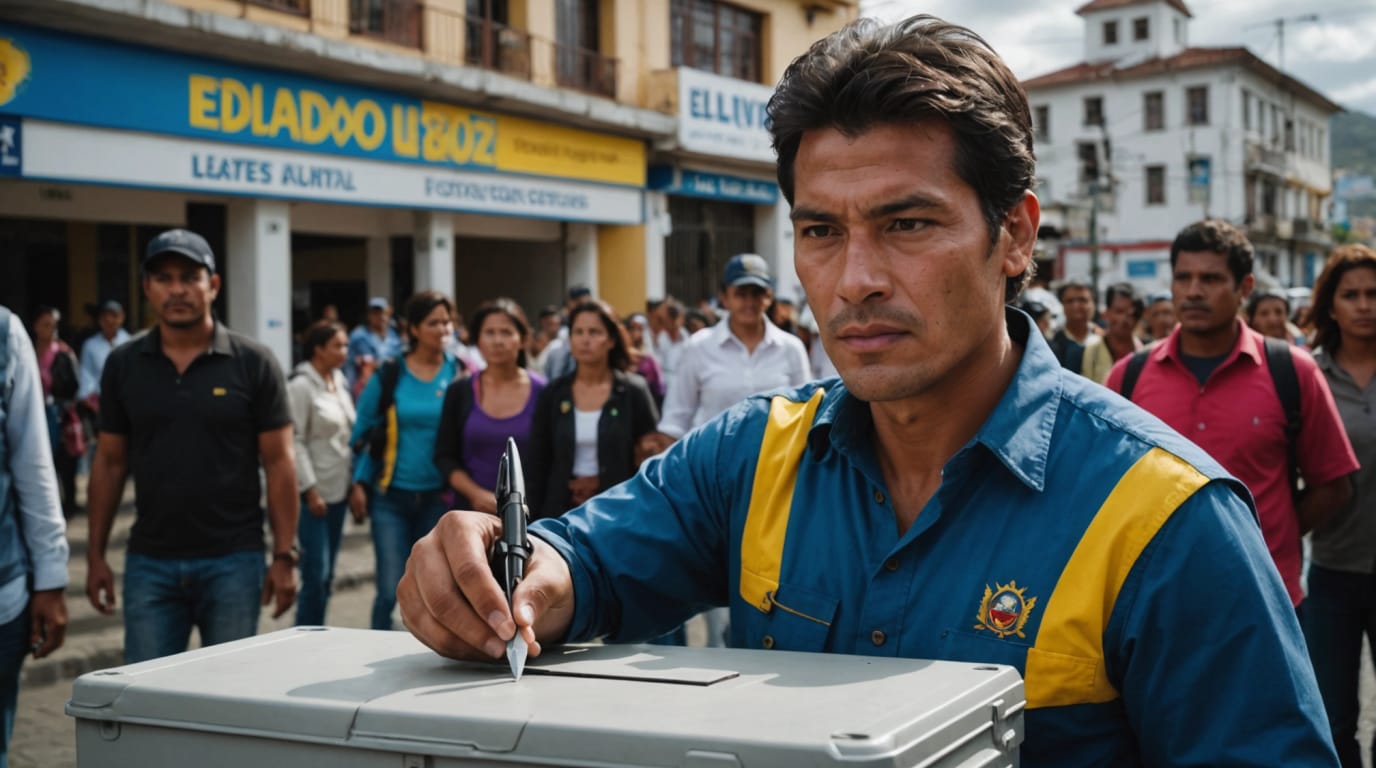
Ecuador stands at a crossroads as its citizens prepare to cast their ballots in a crucial presidential runoff election on April 13, 2025. The nation grapples with a surge in gang violence, economic instability, and deep political divisions, making this election a pivotal moment for its future. Incumbent President Daniel Noboa, a center-right leader, faces a formidable challenge from Luisa González, a leftist candidate, in a race that promises to be a nail-biter.
A Nation Gripped by Insecurity
Security concerns have dominated the electoral discourse, reflecting the harsh reality of life for many Ecuadorians. The country has witnessed a staggering increase in violence in recent years, transforming it from a relatively stable nation into one of the most violent in Latin America. Homicide rates have skyrocketed, fueled by the expansion of transnational criminal organizations and drug trafficking.
From 2019 to 2024, homicides rose by 429 percent, with 3,036 recorded in 2024 alone. Cities like Guayaquil and Durán have become hotspots for gang activity, and prisons are plagued by overcrowding and a lack of state control, allowing criminal organizations to operate with impunity. One in three Ecuadorians has been a victim of crime, a grim statistic that underscores the severity of the crisis.
President Noboa declared an "internal armed conflict" against criminal groups and deployed the military to combat the escalating violence. While these measures demonstrated a strong intent to address the crisis, they have also raised concerns about human rights violations. Security forces have been accused of extrajudicial killings, arbitrary arrests, and ill-treatment, further complicating the already tense situation.
Economic Challenges and Austerity Measures
Ecuador's economic landscape presents another significant challenge for the incoming president. The country's economy is heavily reliant on oil exports, making it vulnerable to fluctuating global prices. High public debt, slow diversification, and a fiscal deficit of $3.7 billion in 2023 add to the economic woes.
To address these challenges, Noboa's administration implemented austerity measures, including increasing the value-added tax (VAT) from 12% to 15% and reducing subsidies for low-octane gasoline. While these policies aimed to stabilize the economy, they faced pushback from indigenous groups and others who argued that they hurt purchasing power.
The International Monetary Fund (IMF) forecasts a modest GDP growth rate of 1.2% for 2025, which is below the regional average. The government recognizes the need to diversify the economy and is prioritizing sectors like agriculture, tourism, and renewable energy for investment and development. Ecuador has also signed Free Trade Agreements (FTAs) with China and Costa Rica and is negotiating additional agreements with other countries to boost trade and attract investment.
The Candidates and Their Visions
The presidential runoff election pits Daniel Noboa against Luisa González, offering voters two distinct visions for the country's future.
Noboa, the incumbent president, is the son of a wealthy banana tycoon and brands himself as the leader of "the new Ecuador." He has campaigned on a tough-on-crime stance, promising to build high-security prisons and end delinquency. Noboa has also sought support from the United States in his war on drugs, even holding a photo op with former U.S. President Donald Trump. If re-elected, he is expected to deepen his economic and security reforms, continuing efforts to attract foreign investment and expand trade agreements.
González, on the other hand, is a leftist candidate running on a progressive platform inspired by former President Rafael Correa. She advocates for increased social spending, state intervention in the economy, and regulatory changes in key industries like oil and mining. González has also signed an agreement with indigenous groups to address their concerns. If elected, Ecuador would likely see a shift towards a left-leaning economic model, but her administration would face obstacles in balancing fiscal sustainability with ambitious social policies.
Political Polarization and a Divided Electorate
The 2025 election has exposed deep political divisions within Ecuadorian society. The first-round results revealed a virtual tie between Noboa and González, highlighting the polarization of the electorate. Whoever wins the runoff will face a National Assembly largely split between the parties headed by Noboa and González, making it difficult to pass legislation and implement their policy agendas.
The influence of former President Rafael Correa continues to be a significant factor in Ecuadorian politics. González is seen as a protégé of Correa, and her candidacy has been plagued by questions about her ties to the former leader, who remains a polarizing figure in the country. While Correa's supporters view him as a champion of the working class, his detractors see him as a symbol of corruption and broken promises.
A Nation on High Alert
As Ecuador prepares for the runoff election, the United States Embassy has issued a message to U.S. citizens, advising them to maintain extra vigilance, avoid crowds on election day, and monitor local media for updates. A heavy police and military presence is expected throughout the country, particularly at polling sites and government buildings. Demonstrations or crowds could arise with little advance notice, and road closures and traffic disruptions are possible.
Conclusion: A Defining Moment for Ecuador
The outcome of the April 13 presidential runoff election will have far-reaching consequences for Ecuador. The next president will face the daunting task of addressing the country's security crisis, stabilizing the economy, and uniting a deeply divided society. The choices made in the coming months will determine whether Ecuador can overcome its challenges and move towards a more secure, prosperous, and cohesive future.


