‘El Mayo’ Zambada Sentenced to Life in U.S. Prison, Marking End of an Era for Drug Kingpin
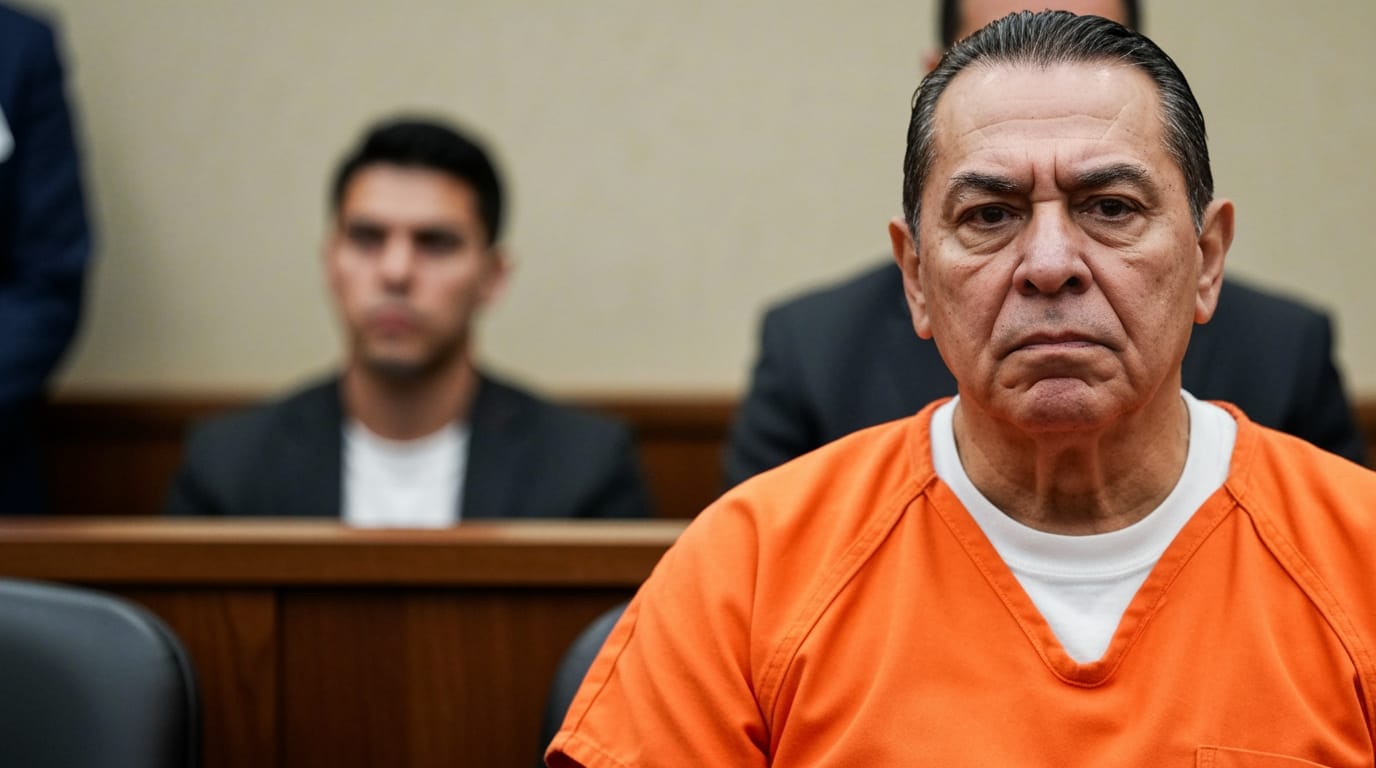
BROOKLYN, NY – July 20, 2026 – Ismael "El Mayo" Zambada García, the elusive co-founder and long-time leader of Mexico's notorious Sinaloa Cartel, was sentenced to life in prison without the possibility of parole by a U.S. federal court in Brooklyn on Monday, bringing a definitive end to nearly four decades of his unparalleled reign over one of the world's most powerful drug trafficking organizations. The 76-year-old drug lord, who famously evaded capture for decades, pleaded guilty in August 2025 to charges including racketeering conspiracy and engaging in a continuing criminal enterprise, admitting to orchestrating the shipment of millions of kilograms of deadly narcotics into the United States. This landmark sentencing, presided over by U.S. District Judge Brian Cogan—the same judge who sentenced Zambada’s former partner Joaquín "El Chapo" Guzmán—underscores the U.S. government's unwavering commitment to dismantling transnational criminal organizations at their highest echelons.
The Architect of a Global Drug Empire Falls
For nearly 40 years, Ismael Zambada García operated with a cunning and stealth that allowed him to outmaneuver authorities on both sides of the border, earning him a mythical status within the criminal underworld. Unlike his more flamboyant counterpart, "El Chapo" Guzmán, Zambada was known as the cartel's strategist and dealmaker, maintaining a lower profile while meticulously overseeing the day-to-day operations of an empire that generated billions of dollars in illicit profits. His operational genius facilitated the distribution of massive quantities of cocaine, heroin, fentanyl, and methamphetamine across the United States.
Zambada's long run came to an end in July 2024, when he was arrested following his plane's landing at a small airstrip in New Mexico. This capture, which also involved Joaquín Guzmán López, one of "El Chapo's" sons, marked a pivotal moment in the ongoing drug war. Following extensive negotiations, Zambada agreed to a plea deal in August 2025, which included a mandatory life sentence, in exchange for the U.S. Justice Department's assurance not to seek the death penalty. In court, Zambada, who is reportedly suffering from age-related health issues, expressed remorse, stating, "No one wins in a war like this," and apologized "for the harm I caused and for the example I set." As part of his sentencing, a forfeiture money judgment of $15 billion was also entered against him, reflecting the immense scale of his criminal enterprise.
The Scope of the Sinaloa Cartel's Influence
Under Zambada's leadership, the Sinaloa Cartel grew into one of the most violent and powerful drug trafficking organizations globally, operating in over 40 countries. Prosecutors detailed how Zambada ordered countless acts of violence, including murders and torture, to protect the cartel's vast network. The cartel's success was not solely built on intimidation and brutality; it thrived on an intricate web of corruption that permeated all levels of government and law enforcement. Witnesses, including those who testified in the trials of "El Chapo" and former Mexican Secretary of Public Security Genaro García Luna, revealed how this systemic corruption, from local police to high-ranking officials, was essential for the cartel to operate effectively, facilitating drug shipments and thwarting capture operations.
The cartel's operational structure, as described by authorities, involved highly organized factions. While "El Mayo" and "El Chapo" co-founded the cartel, their alliance was marked by strategic division of labor, with Zambada often seen as the more pragmatic and less ostentatious leader. The organization's reach extended far beyond drug smuggling, engaging in extortion, fuel and mineral theft, kidnapping, migrant smuggling, prostitution, and weapons trafficking, generating billions of dollars annually. The cartel's deep involvement in the distribution of highly addictive synthetic opioids like fentanyl has contributed significantly to the ongoing opioid crisis in the United States.
A Defining Moment in the War on Drugs
Zambada's life sentence marks a significant victory for international law enforcement and a defining moment in the prolonged struggle against organized crime. U.S. Attorney for the Eastern District of New York Joseph Nocella, Jr. emphasized the gravity of the conviction, stating, "Ismael Zambada García spent nearly four decades poisoning American communities to make billions of dollars in profit and ordering the murders of anyone who stood in his way. Today, that chapter closes for good." He further asserted that Zambada will "spend the rest of his life in a U.S. prison, exactly where he belongs," highlighting the tireless bilateral cooperation between U.S. and Mexican law enforcement agencies that made this outcome possible.
The sentencing of "El Mayo" Zambada draws parallels to the 2019 conviction of Joaquín "El Chapo" Guzmán, solidifying a pattern of U.S. authorities successfully prosecuting and imprisoning Mexico's most prominent cartel leaders. This consistent application of justice sends a clear message: no cartel leader, regardless of their past evasion or perceived untouchability, is beyond the reach of American law. Assistant Attorney General A. Tysen Duva of the Justice Department's Criminal Division reiterated this commitment, stating, "To those who remain: we will find you, we will prosecute you, and you, too, will face substantial time in prison."
The Enduring Legacy and Evolving Threat
Despite the monumental nature of Zambada's sentencing, the Sinaloa Cartel, like a hydra, continues to adapt and persist. The organization no longer operates under a single leader but rather comprises several factions, primarily led by Zambada's son, Ismael Zambada Sicairos (known as 'El Mayito Flaco'), and "El Chapo's" sons, collectively known as "Los Chapitos." Zambada Sicairos has emerged as a key figure in controlling the cartel's drug distribution networks since his father's arrest. However, internal power struggles and violent conflicts between these factions have been well-documented, indicating a fragmented but still potent criminal landscape.
Furthermore, new figures are rising to prominence. Fausto Isidro Meza Flores, alias "El Chapo Isidro," is identified as a significant player in the production and trafficking of synthetic drugs, fentanyl, and methamphetamine, particularly in northern Sinaloa. This evolving threat underscores that while the capture and conviction of leaders like "El Mayo" are critical victories, the battle against transnational drug trafficking remains complex and far from over. The global demand for illicit drugs, coupled with the cartels' adaptability and extensive corrupt networks, ensures that the challenge will continue to require sustained international vigilance and cooperation.
In conclusion, the life sentence handed down to Ismael "El Mayo" Zambada García represents the culmination of decades of investigative work and prosecutorial effort, closing a significant chapter in the history of Mexican drug trafficking. It is a testament to the perseverance of justice, even against the most deeply entrenched and powerful criminal figures. However, the fight against the hydra-headed threat of drug cartels continues, demanding ongoing strategies to counter their evolving structures and persistent influence.


