Elon Musk Files Lawsuit Against German Broadcaster ZDF Over "Migrant Hunt" Allegation
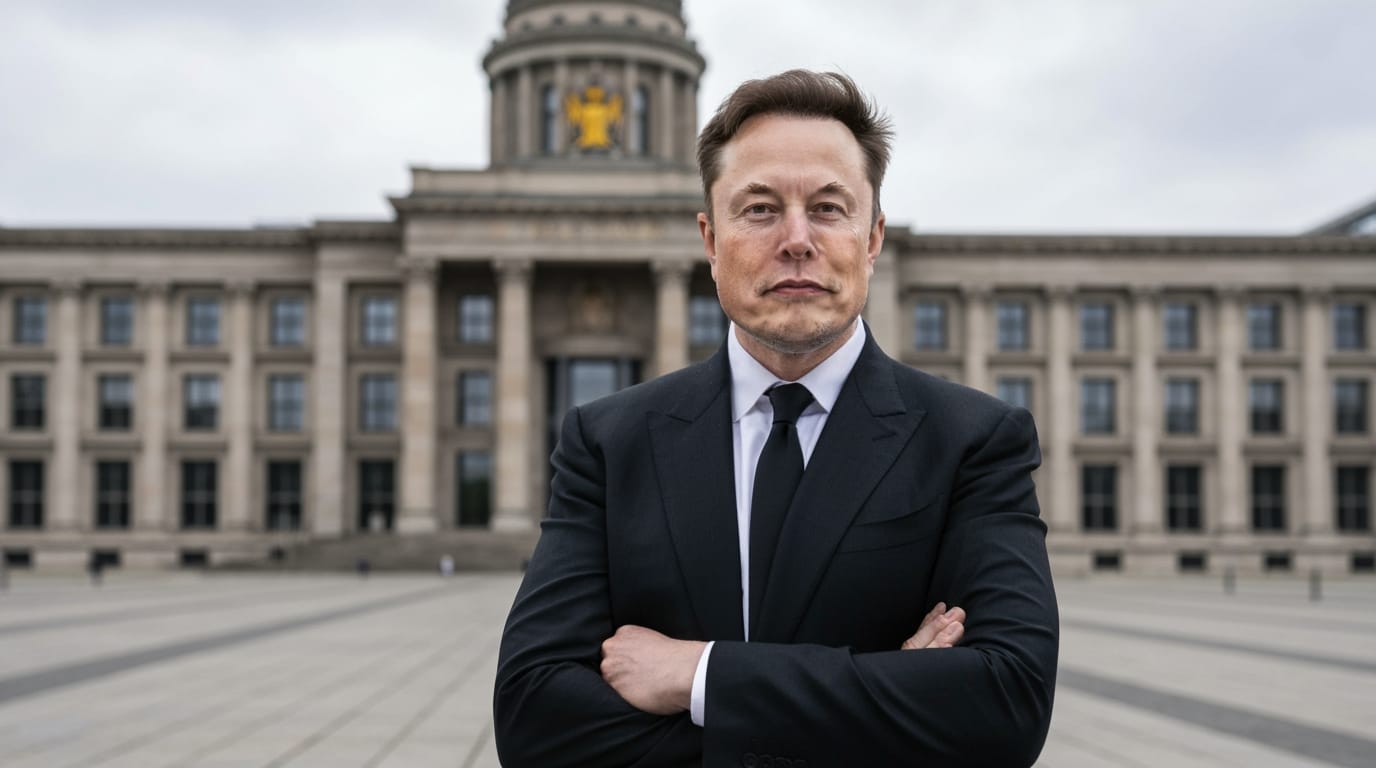
Elon Musk, the influential owner of social media platform X and aerospace company SpaceX, has initiated legal proceedings against German state broadcaster ZDF. The lawsuit stems from a segment on a ZDF program that allegedly accused Musk of publicly calling for a "hunt for migrants" in connection with recent unrest in Northern Ireland. Musk has vehemently denied the accusation, labeling it an "outrageous lie" and a "scandalous" fabrication designed to attribute xenophobic calls to violence without evidence. This legal action intensifies the ongoing debate about media accountability and the dissemination of information in the digital age.
The Incendiary Claim and its Context
The controversy ignited following an edition of ZDF's program "ZDF heute live," broadcast on a Tuesday, June 13, 2026. During the program, moderator Christina v. Ungern-Sternberg presented a segment discussing a brutal attempted murder in Belfast, Northern Ireland, involving a Sudanese asylum seeker. This incident, where a man was allegedly attacked, reportedly went viral and subsequently led to anti-immigrant protests and riots in the region. Within this context, the ZDF presenter asserted that "a racist mob subsequently hunts down migrants. Calls for this had come from a British right-wing extremist and tech billionaire Elon Musk." This claim directly linked Musk to inciting violence and xenophobia, portraying him as a driving force behind the alleged "migrant hunt" in Northern Ireland.
Musk's Swift Legal Recourse
Elon Musk swiftly announced his decision to pursue legal action against ZDF via his social media platform, X. He characterized the broadcaster's claims as "outrageous lies" and a baseless attempt to attribute "xenophobic calls to violence" to him. Musk's move signals an increasingly assertive stance against what he perceives as defamatory reporting from established media organizations. The legal challenge underscores a broader pattern of public figures, particularly those with significant online presence, directly confronting media narratives they dispute. The specific nature of the lawsuit, likely focusing on defamation, seeks to challenge the factual basis and journalistic integrity of ZDF's reporting.
The Disputed Evidence and Journalistic Scrutiny
A critical aspect of Musk's lawsuit rests on the alleged lack of evidence supporting ZDF's claims. Reports indicate that when other news outlets, such as Nius, contacted ZDF for substantiation of the "hunt for migrants" allegation against Musk, the broadcaster provided no proof. Furthermore, the actual social media posts cited by ZDF itself, which included content shared by Musk from British activist Tommy Robinson, appeared to contradict the broadcaster's narrative. These posts reportedly urged followers to remain "Peaceful. Respectful. Together." Musk's own comment on the shared content was, "Only by protesting REPEATEDLY and LOUDLY will there be any change!!" Neither statement, as presented, contains explicit calls for violence or a "hunt for migrants," leading to questions about ZDF's interpretation and presentation of the information.
The ZDF program did feature Ciaran O'Connor of the Institute for Strategic Dialogue as an expert. O'Connor noted that Musk has shown increased interest in anti-immigration content and that social media can be used to spread addresses of migrant accommodations. However, even O'Connor, while highlighting concerns about social media's role in amplifying such narratives, reportedly stopped short of directly accusing Musk of inciting the "migrant hunt" as the ZDF presenter did. This discrepancy further fuels Musk's claims of misrepresentation.
Broader Implications for Media and Public Accountability
This legal confrontation carries significant implications for media organizations, particularly state-funded broadcasters like ZDF, which are financed through mandatory household fees in Germany. Critics argue that the willingness to broadcast such inflammatory accusations without clear evidence raises serious questions about editorial standards and perceived political bias within taxpayer-funded institutions. This is not the first time ZDF has faced scrutiny; the broadcaster previously issued a retraction after falsely claiming that Turning Point USA founder Charlie Kirk had called for homosexuals to be "stoned to death," a misrepresentation of Kirk quoting a Bible passage.
Musk's decision to pursue legal remedies against a major public broadcaster could establish an important precedent for holding such institutions accountable for false claims made against public figures. In an era where misinformation can proliferate rapidly, the outcome of this case may influence how traditional media outlets report on influential personalities and how public figures seek redress for perceived journalistic inaccuracies. The dispute highlights the complex and often contentious relationship between media, public figures, and the dissemination of information in an increasingly polarized digital landscape.
The lawsuit against ZDF represents a significant legal challenge, not just for the parties involved, but for the broader principles of media integrity and public accountability. As the case unfolds, it will likely draw attention to the standards of evidence in journalism, the responsibilities of public broadcasters, and the mechanisms available to individuals to challenge what they consider false and defamatory reporting.


