Elusive Truce: Ukraine and Russia Trade Blows Amid Competing Ceasefire Claims
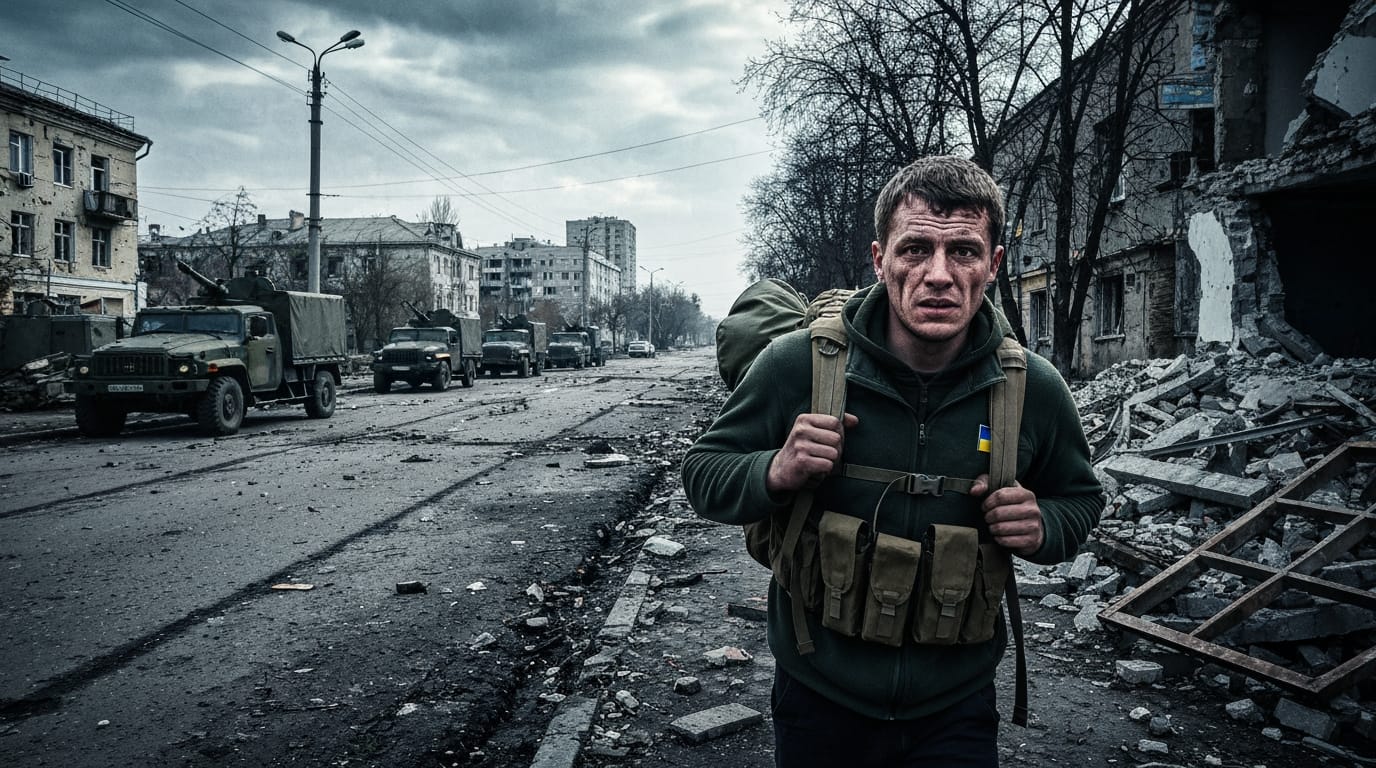
KYIV, Ukraine – A declared ceasefire in the protracted conflict between Ukraine and Russia has dissolved into mutual recriminations and renewed hostilities, as both nations reported significant attacks on Friday, May 8, 2026. The exchange of drone, missile, and artillery strikes comes despite Russia’s unilateral declaration of a two-day truce to observe its Victory Day commemorations, and Ukraine’s earlier proposal for an open-ended cessation of hostilities. This immediate breach underscores the profound lack of trust and the deep-seated challenges plaguing any path toward de-escalation in the more than four-year-old war.
The conflicting ceasefire proposals and subsequent violations paint a stark picture of a conflict where symbolic gestures are quickly overshadowed by the brutal realities on the ground and in the air. Civilians continue to bear the brunt of the violence, and the international community watches as diplomatic efforts remain stalled amidst a relentless war of attrition.
A Contradictory Truce Takes Hold, Then Fractures
The latest push for a pause in fighting began with Russia's announcement on May 7, declaring a unilateral ceasefire from midnight on May 8 until May 10, 2026. This truce was intended to coincide with the nation's annual Victory Day celebrations on May 9, a historically significant event marking the Soviet Union's defeat of Nazi Germany. The Russian Defense Ministry stated that all military operations would cease, including ground offensives, drone and artillery strikes, and long-range missile attacks. Moscow further warned of a "massive missile strike" on Kyiv if its Victory Day celebrations were disrupted or if Ukraine violated the declared pause.
In response, Ukrainian President Volodymyr Zelenskyy had earlier proposed his own open-ended ceasefire, beginning at midnight on May 6. Kyiv dismissed Russia's holiday-bound truce as "not serious," arguing that a temporary halt linked to a national celebration did not constitute a genuine effort to end hostilities. This competing declaration highlighted the absence of any coordinated agreement, setting the stage for the current wave of accusations.
Escalation Amidst Commemoration
As Friday, May 8, dawned, reports from both sides quickly confirmed that the ceasefires were not holding. The Russian Defense Ministry claimed Ukrainian forces had carried out more than 1,300 ceasefire violations. These alleged violations included drone and artillery attacks targeting Russian border regions. Moscow Mayor Sergei Sobyanin reported that the capital had been targeted by drones, and officials noted an attack on the Urals region of Perm, where a satellite image confirmed smoke rising from an oil pumping station on May 7. The Russian military asserted it had downed 264 Ukrainian drones in the early hours of May 8 alone, responding symmetrically with retaliatory strikes.
Conversely, Ukraine presented its own account of continued aggression. President Zelenskyy stated that Russian forces maintained overnight attacks along the frontline, registering over 140 strikes on Ukrainian positions and launching more than 850 drone attacks by 7 a.m. local time on May 8. Zelenskyy asserted that these actions demonstrated Russia had not made "even a token attempt to cease fire on the front." Furthermore, earlier Russian strikes, specifically on May 5 and 6, resulted in significant civilian casualties, with at least 21 people killed and 82 injured, despite Ukraine's own unilateral ceasefire proposal. These incidents included missile attacks on Zaporizhzhia City and Kramatorsk.
The continuous targeting of infrastructure and frontline positions by both nations underscores the strategic importance of long-range capabilities. Ukrainian forces have demonstrated their capacity for deep strikes, impacting Russian oil infrastructure and military assets far behind the front lines, including an oil refinery in Kirishi and the VNIIR-Progress plant which produces components for navigation systems. These capabilities contribute to Russia's stated concerns about disruptions to its Victory Day celebrations and its threat of a "massive retaliatory missile strike" on Kyiv.
The Illusory Peace and Political Maneuvers
The current situation highlights a recurring pattern of diplomatic breakdown in the Russia-Ukraine conflict. Peace negotiations have remained largely stalled, primarily due to fundamentally incompatible positions regarding territory and sovereignty. Ukraine consistently rejects demands to surrender occupied regions, while Moscow insists that "territorial realities must be recognized" before any settlement can occur.
Russia's choice to declare a ceasefire tied to Victory Day is deeply symbolic. The holiday is central to Russia's national identity and has been increasingly utilized by the Kremlin to frame and justify the ongoing war. President Putin's proposal, while framed as a humanitarian gesture, was largely viewed by Ukrainian officials with skepticism, seen more as a domestic political statement than a genuine move towards peace. The refusal by either side to accept the other's proposed truce terms underscores the deep-seated mistrust that prevents meaningful dialogue.
The lack of a mutually agreed-upon ceasefire mechanism, coupled with immediate and conflicting accusations of violations, reinforces the perception that both sides prioritize military advantage and political posturing over a genuine reduction in hostilities. The inability to even maintain a temporary truce for a significant national holiday demonstrates the immense chasm between the warring parties.
Human Cost and Persistent Conflict
More than four years after the 2022 invasion, the conflict in Ukraine continues to exact a heavy toll, characterized by a grinding war of attrition with no clear political or military resolution in sight. Russia currently occupies nearly one-fifth of Ukrainian territory, and while its advances have reportedly slowed this year, intense fighting persists in key areas like Kostiantynivka and along the Zaporizhzhia direction.
The ongoing violence ensures that civilians remain caught in the crossfire. Daily reports of drone and missile strikes, artillery shelling, and ground assaults underscore the perpetual danger faced by those living near the front lines and in cities across Ukraine. The cycle of accusation and retaliation has become a tragic norm, hindering humanitarian efforts and exacerbating an already dire situation for millions.
Conclusion
The failed ceasefires surrounding Russia’s Victory Day celebrations serve as a poignant reminder of the intractable nature of the conflict in Ukraine. The dueling, unilaterally declared truces, immediately followed by intense exchanges of fire and mutual blame, highlight the profound diplomatic impasse and the absence of any shared foundation for peace. As long as distrust reigns supreme and both sides perceive military action as their primary recourse, the prospect of a genuine and lasting cessation of hostilities remains a distant hope, leaving the people of Ukraine to face the enduring realities of war.


