End of the Line? PKK Ceasefire Sparks Hope and Uncertainty for Kurds in the Middle East
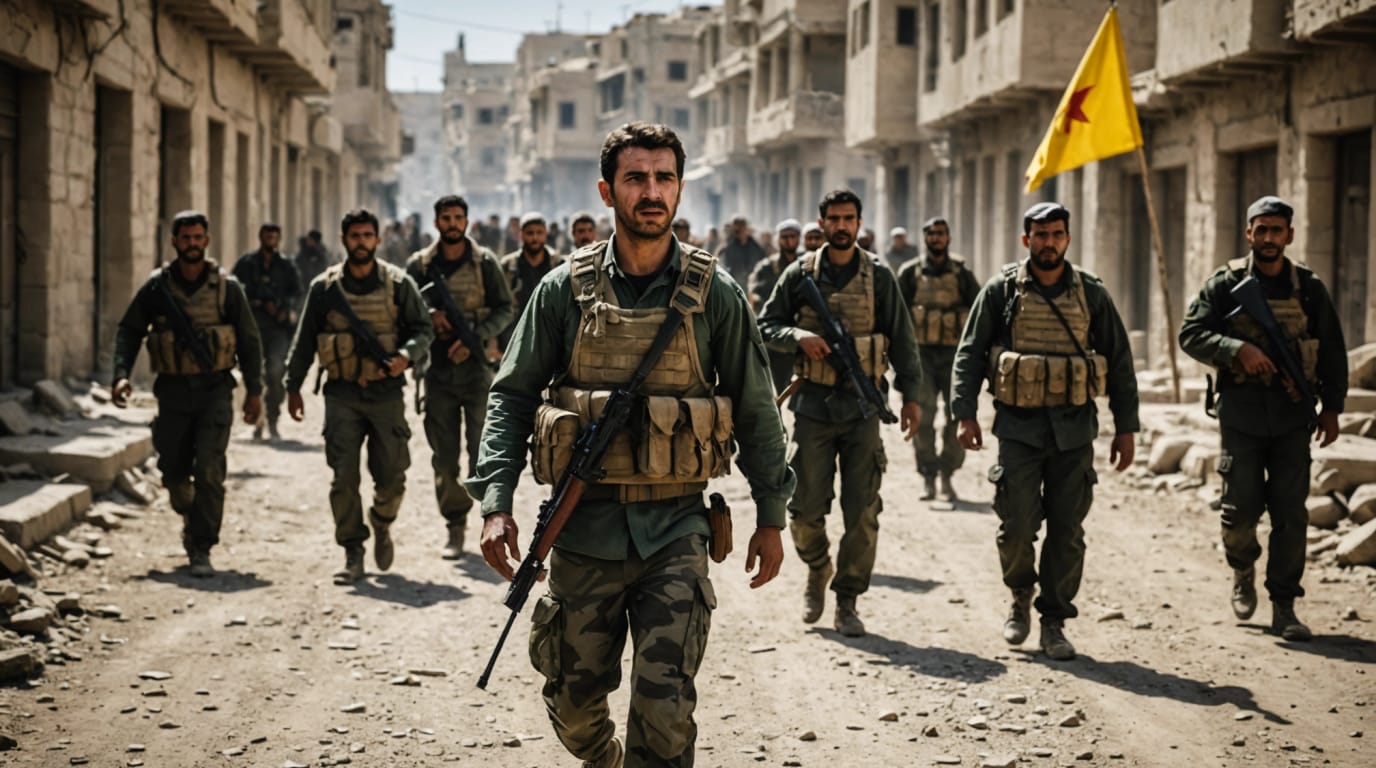
After four decades of armed conflict, the Kurdistan Workers' Party (PKK) declared a unilateral ceasefire with Turkey on March 1, 2025, heeding a call from its imprisoned leader, Abdullah Öcalan, to disarm. This historic move has ignited cautious optimism about a potential resolution to the long-standing Turkish-Kurdish conflict, but also raises complex questions about the future of Kurds across the Middle East. The conflict has resulted in at least 40,000 deaths and has had far reaching implications for regional stability.
A Historic Call for Peace
Abdullah Öcalan, the symbolic leader and co-founder of the PKK, issued a statement from his prison cell urging the group to lay down its arms and disband. The PKK, designated as a terrorist organization by Turkey, the United States, and the European Union, has waged an insurgency since 1984, initially seeking an independent Kurdish state in southeastern Turkey. Over time, its goals evolved to demand greater cultural and political rights for Kurds within Turkey.
Öcalan's call marks the most serious attempt in over a decade to end the PKK's armed campaign and normalize politics in Kurdish-majority areas affected by the conflict. The PKK has agreed to the appeal but also urged Ankara to release Ocalan to facilitate the organization's disarmament. The statement by the outlawed group is seen as a major step towards ending a 40-year conflict with the Turkish state. The group added that none of its forces would take armed action unless attacked.
Implications for Kurds in Turkey
The potential end of the PKK's insurgency could have profound implications for the estimated 15 to 20 million Kurds living in Turkey. The conflict has led to significant human rights abuses and economic hardship in Kurdish-majority regions. A lasting peace could pave the way for greater political and cultural rights, economic development, and improved relations between Kurds and the Turkish state.
However, significant obstacles remain. Tensions persist between Turkish authorities and Kurdish groups, and questions linger about whether Ankara will make genuine democratic concessions. Since local elections in March 2024, several elected mayors in Kurdish-majority cities have been removed from their posts and replaced by government appointees, raising concerns about a crackdown on dissent.
Some analysts suggest that Turkish President Recep Tayyip Erdoğan may be seeking to leverage Kurdish support for a constitutional referendum that would allow him to remain in power. This could involve offering political concessions to the Kurds in exchange for their backing.
Regional Repercussions
The end of the PKK conflict could also reshape regional dynamics, particularly in Syria and Iraq, where Kurdish groups have played a significant role in recent conflicts.
Syria: In Syria, the Kurdish-led Syrian Democratic Forces (SDF) have been a key ally of the United States in the fight against ISIS. The SDF controls a large swathe of territory in northeastern Syria, and Turkey views the group as an extension of the PKK. A peace deal between Turkey and the PKK could potentially lead to a resolution of the conflict in northeastern Syria, possibly through integration of the Kurdish-controlled region with the Syrian state.
Iraq: The PKK maintains a presence in northern Iraq's semi-autonomous Kurdish region, which has been a recurrent source of tension between Baghdad and Ankara. Turkey frequently carries out military operations against Kurdish armed groups in the region. Iraq has welcomed Ocalan's call for disarmament, viewing it as a positive step towards regional stability. A resolution of the Turkish-Kurdish conflict could lead to a more stable and cooperative relationship between Turkey and Iraq.
Challenges and Uncertainties
Despite the potential benefits, the path to peace is fraught with challenges. Deep-seated mistrust between the Turkish state and the PKK, as well as divisions within the Kurdish community, could derail the process.
One key challenge will be disarming and reintegrating PKK fighters into society. The group has a long history of armed struggle, and some members may be reluctant to lay down their weapons. The Turkish government will need to offer credible guarantees of security and opportunity to encourage disarmament.
Another challenge is addressing the underlying grievances that fueled the conflict in the first place. This will require meaningful political and constitutional reforms to ensure greater Kurdish rights and representation within Turkey.
The role of regional actors, such as Iran, also remains uncertain. Iran has a significant Kurdish population and has historically been wary of Kurdish autonomy movements. Any peace deal between Turkey and the PKK will need to take into account Iran's interests and concerns.
A Pivotal Moment
The PKK's ceasefire declaration represents a pivotal moment in the history of the Turkish-Kurdish conflict. While significant challenges remain, the potential for a lasting peace is greater than it has been in decades. The success of the peace process will depend on the willingness of all parties to compromise, build trust, and address the underlying causes of the conflict.
If successful, the move would be one of the “most transformative events that have happened in the Middle East”. It could “redefine the course of Turkish politics” and would also “redefine Turkiye's relationship with the region's Kurds in the main neighbouring states”.
The international community also has a role to play in supporting the peace process. The United States, the European Union, and other actors can use their influence to encourage dialogue, mediate disputes, and provide financial and technical assistance for reconstruction and reconciliation efforts.
The end of the PKK conflict would not only bring peace and stability to Turkey but also have far-reaching implications for the Kurds and the wider Middle East. It could pave the way for a more inclusive and democratic Turkey, a more stable and cooperative region, and a brighter future for millions of Kurds who have long suffered from conflict and oppression.


