Energy Crisis Deepens European Divide as Druzhba Pipeline Standoff Escalates
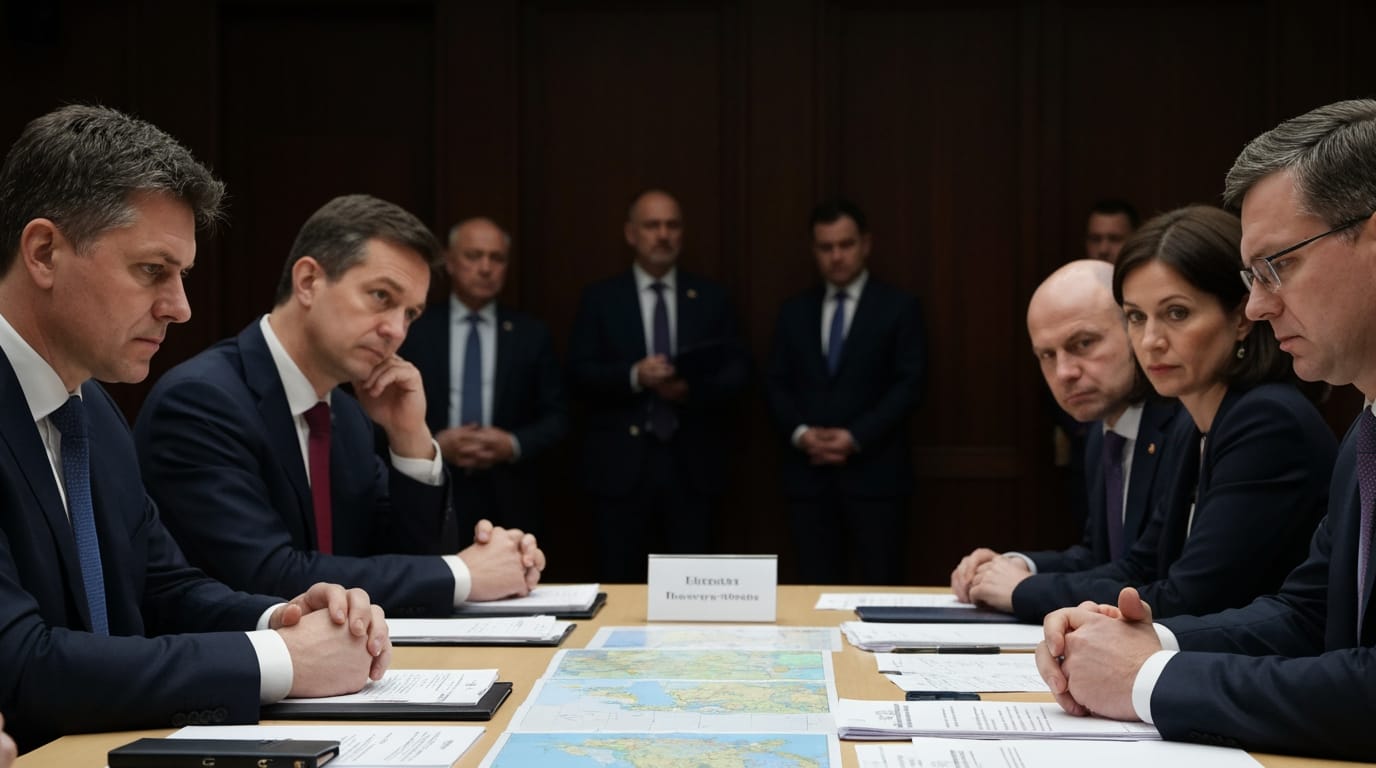
Kyiv, Ukraine – A critical energy dispute surrounding the Druzhba oil pipeline, a vital artery for Russian crude into Central Europe, has intensified, creating fresh rifts within the European Union and complicating aid efforts for war-torn Ukraine. The southern branch of the pipeline, which supplies Hungary and Slovakia, has been offline since late January 2026, leading to a diplomatic standoff with accusations of political leverage and energy blackmail traded between Kyiv, Budapest, and Bratislava. The disruption, which Ukraine attributes to Russian drone strikes, has prompted Hungary and Slovakia to threaten severe retaliatory measures, including blocking crucial EU financial aid and sanctions against Russia, and cutting emergency electricity supplies to Ukraine.
The Lifeline Under Threat: Druzhba's Enduring Importance
The Druzhba pipeline, meaning "Friendship Pipeline," has been operational since 1964 and remains one of the world's longest oil networks, transporting crude from Russia across thousands of kilometers to several European nations, including Ukraine, Hungary, and Slovakia. For Hungary and Slovakia, the pipeline is more than just an energy source; it is an economic lifeline. Both countries are heavily dependent on Russian oil delivered via Druzhba, with an estimated 60 to 70 percent of their total oil requirements met through this route. Their refineries, such as Hungary's MOL Százhalombatta and Slovakia's Slovnaft Bratislava, are specifically calibrated to process the heavy, high-sulfur Russian Urals crude, making a switch to alternative sources technically challenging and costly. Furthermore, transit costs through Druzhba are significantly lower than seaborne alternatives, offering annual savings of hundreds of millions of euros. This enduring reliance secured Hungary and Slovakia temporary exemptions from broader EU bans on Russian oil imports following Russia's full-scale invasion of Ukraine in 2022.
The current crisis began on January 27, 2026, when the southern branch of the pipeline was halted. Ukrainian officials maintain that the disruption was caused by a Russian drone attack on pipeline infrastructure in the Lviv region. This incident is part of a broader pattern of Russian targeting of Ukrainian energy infrastructure, with Naftogaz confirming the Lviv strike as the 15th attack on its facilities within a month.
Budapest and Bratislava's Ultimatum: Aid for Oil
In the wake of the pipeline disruption, Hungary and Slovakia have voiced strong accusations against Ukraine, claiming Kyiv is deliberately delaying repairs for political leverage. Slovak Prime Minister Robert Fico openly accused Ukraine of "political blackmail," alleging that the halt was intended to pressure Hungary to drop its veto on Ukraine's future European Union membership. Hungarian Prime Minister Viktor Orbán echoed these sentiments, asserting that there was "no technical obstacle whatsoever" to restarting oil transport and that Ukraine was endangering the energy security of EU member states.
The response from Budapest and Bratislava has been swift and severe. On February 18, both nations announced the suspension of diesel fuel supplies to Ukraine. Hungary further escalated the pressure by threatening to block a critical €90 billion EU loan for Ukraine's defense and reconstruction, a package requiring unanimous EU approval. Hungary also vowed to block the EU's 20th package of sanctions against Russia, demanding the immediate resumption of oil flows. Slovakia joined in, warning on February 21 that it would cut its emergency electricity supplies to Ukraine if oil deliveries through Druzhba were not restored. These threats materialized on February 23, when both countries blocked the EU's sanctions package and the loan, underscoring the depth of the diplomatic crisis. Slovakia's Prime Minister Fico stated that his country's state-owned electricity operator, SEPS, had been instructed not to respond to any requests for help with stabilizing Ukraine's energy grid should the oil not resume.
Ukraine's Defense and Broader Geopolitical Stakes
Ukraine has vehemently rejected the accusations, condemning the actions of Hungary and Slovakia as "ultimatums and blackmail" that are both "provocative and irresponsible." Ukrainian Foreign Minister Andrii Sybiha emphasized that the transit issues stem directly from Russia's aggression and its attacks on energy infrastructure. Kyiv maintains that repair and stabilization work on the damaged pipeline section is ongoing, despite the persistent threat of further Russian missile strikes. Foreign Minister Sybiha has questioned Hungary's motives, suggesting the pipeline dispute might be exploited for domestic political gain and has proposed "doable solutions" to resolve the impasse. Ukraine has also reportedly offered alternative routes for supplying non-Russian oil to Hungary and Slovakia, though the technical and economic feasibility of these alternatives for the specialized refineries remains a point of contention.
The broader geopolitical context adds layers of complexity to the dispute. Ukraine argues that continued reliance on Russian energy by EU members directly undermines efforts to cut off funding for Moscow's war machine. The European Commission, while acknowledging the immediate security of supply for Hungary and Slovakia due to their 90-day oil reserves, has expressed significant concern for Ukraine's energy situation. The EU has affirmed that the decision to repair and reactivate the pipeline ultimately rests with Ukraine, given the high risk of repeated Russian attacks on its infrastructure. The diplomatic friction over Druzhba highlights internal fault lines within the EU, with some member states, notably Hungary, maintaining closer ties to the Kremlin than the broader consensus.
Escalation and the Path Forward
The situation took another dramatic turn on February 23, when Ukrainian drones reportedly struck a Russian pumping station (Kaleykino) in Tatarstan, a critical component of the wider Druzhba pipeline system. While the immediate impact on the entire system was unclear, this incident further underscored the vulnerability of energy infrastructure in the ongoing conflict.
As of February 24, Slovakia's Ministry of Economy confirmed that Ukraine had delayed the restart of deliveries until February 25, without providing specific reasons. Meanwhile, Hungary and Slovakia had formally received approval to reroute some volumes through Croatia's Adria pipeline network, although Croatia has refused to transport Russian oil.
The Druzhba pipeline dispute represents a significant test of European unity and resilience. As winter progresses and Ukraine grapples with severe energy blackouts exacerbated by Russian attacks, the standoff with its EU neighbors threatens to undermine collective action against Moscow. The resolution of this complex issue will require delicate diplomacy, a clear assessment of technical realities, and a shared commitment to long-term energy security that transcends immediate national interests, aiming to prevent further fracturing of the European front against aggression.