Environmental and Health Groups Mount Extensive Legal Challenge Against Trump-Era EPA Policies
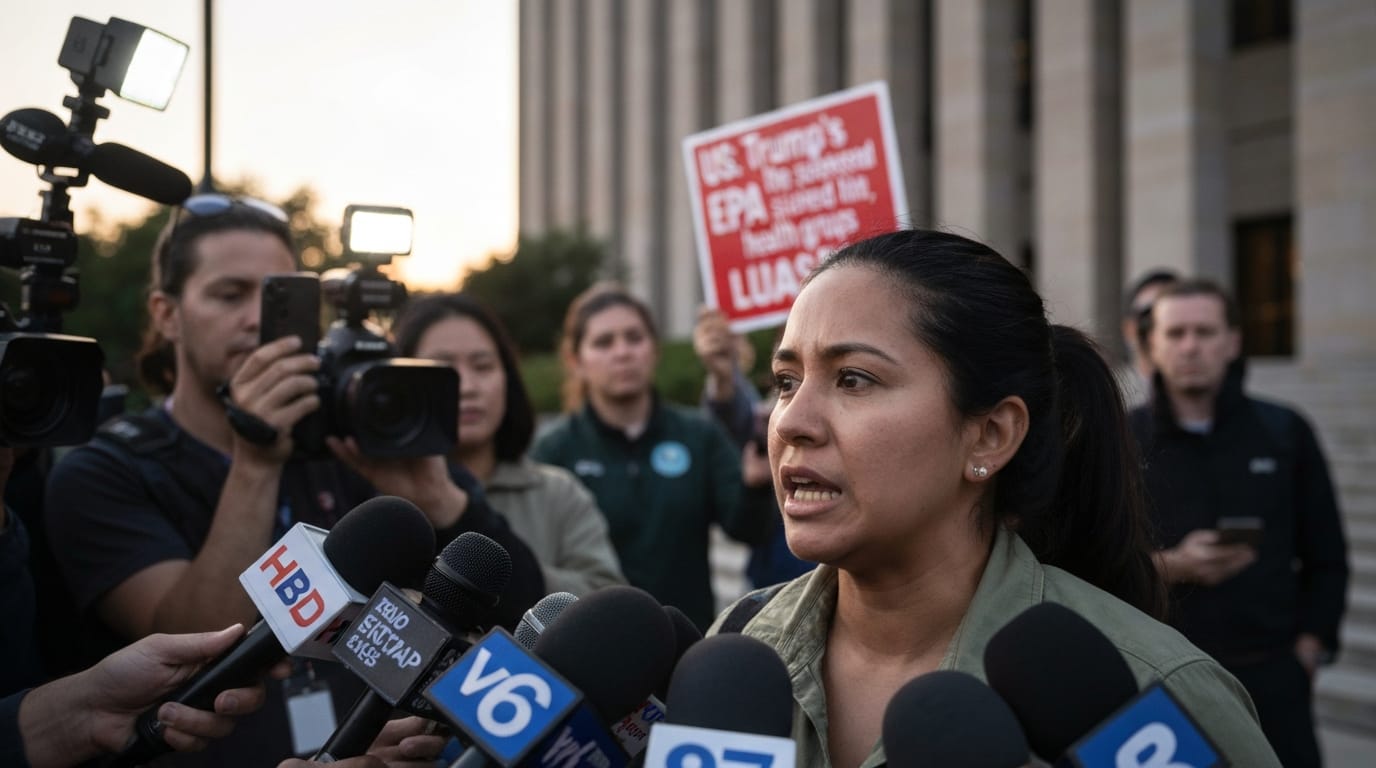
A broad coalition of environmental organizations, public health advocates, and several states have launched an unprecedented series of legal challenges against the Environmental Protection Agency (EPA), alleging that the Trump administration systematically dismantled crucial environmental protections and ignored scientific consensus. These lawsuits target a sweeping array of regulatory rollbacks, from emissions standards for vehicles and power plants to protections for America's waterways, setting the stage for protracted legal battles with profound implications for public health and the environment.
A Wave of Deregulation Meets Legal Opposition
Since 2017, the EPA under the Trump administration initiated a significant deregulatory agenda, contending that previous rules stifled economic growth and imposed undue burdens on industries. This shift marked a departure from decades of environmental policy aimed at combating climate change and reducing pollution. In response, a diverse alliance of advocacy groups, including the Sierra Club, the Natural Resources Defense Council (NRDC), the Environmental Defense Fund (EDF), and the American Lung Association, along with numerous state attorneys general, mobilized to challenge these changes in federal courts. The core of their arguments often centers on the EPA's alleged failure to follow proper administrative procedures, disregard scientific evidence, and violate bedrock environmental statutes such as the Clean Air Act and the Clean Water Act. These groups assert that the rollbacks threaten to exacerbate climate change, worsen air and water quality, and harm vulnerable communities across the nation.
One of the most prominent areas of contention involves the Clean Power Plan, an Obama-era regulation designed to reduce carbon emissions from power plants. The Trump administration replaced it with the Affordable Clean Energy (ACE) rule, which offered states more flexibility and was projected to achieve far fewer emissions reductions. Opponents argued the ACE rule was a legally flawed attempt to sidestep the EPA's statutory duty to regulate greenhouse gases and would lead to increased air pollution, contributing to respiratory illnesses and premature deaths. Similarly, the administration’s Safer Affordable Fuel-Efficient (SAFE) Vehicles Rule significantly weakened vehicle emissions and fuel efficiency standards, replacing ambitious targets with less stringent requirements. Environmentalists and health groups countered that this move would result in billions of tons of additional carbon emissions over the lifetime of the vehicles, undermining climate goals and increasing smog-forming pollutants. The groups also pointed to potential public health costs associated with poorer air quality, particularly in urban areas.
Redefining Environmental Safeguards
Beyond air quality, the EPA’s redefinition of "Waters of the United States" (WOTUS) sparked widespread concern and immediate legal action. The previous WOTUS rule, which defined which wetlands and waterways were subject to federal protection under the Clean Water Act, had been a subject of debate for years. The Trump administration’s Navigable Waters Protection Rule dramatically narrowed the scope of protected waters, excluding many wetlands, ephemeral streams, and ditches. This change, proponents argued, provided much-needed clarity for farmers, developers, and landowners, reducing regulatory uncertainty. However, environmental groups and several states quickly filed lawsuits, arguing that the revised definition stripped protections from millions of acres of wetlands and thousands of miles of streams, leaving them vulnerable to pollution and destruction. They contended that this action directly contravened the Clean Water Act’s objective to restore and maintain the chemical, physical, and biological integrity of the nation's waters, threatening drinking water sources and vital aquatic ecosystems. The lawsuits often cited the lack of scientific justification for such a significant narrowing of jurisdiction, asserting that the rule ignored hydrological connections essential for water quality protection.
Another major target of litigation was the administration's reconsideration of the Mercury and Air Toxics Standards (MATS), which limit emissions of hazardous air pollutants from power plants. While the MATS rule itself remained largely intact, the EPA moved to weaken the underlying legal justification for it, asserting that the finding that it was "appropriate and necessary" to regulate these emissions was flawed because it did not adequately consider compliance costs. This move, critics warned, created a dangerous precedent that could be used to unravel the rule in the future, potentially exposing communities to increased levels of mercury, arsenic, and other neurotoxins and carcinogens. Public health organizations emphasized the critical importance of MATS in protecting children and pregnant women from neurological damage caused by mercury exposure, arguing that the EPA's reevaluation undermined the health benefits of the standard.
The Broader Implications of Regulatory Rollbacks
The sheer volume and scope of these lawsuits underscore the profound policy divergence between the previous administration’s priorities and the established goals of environmental protection. The legal challenges are not merely about specific rules; they represent a fundamental disagreement over the role of federal agencies in protecting public health and the environment, the weight of scientific evidence in policymaking, and the interpretation of foundational environmental laws. Each contested rule carries significant implications for various sectors. Weakened vehicle emission standards, for example, could stifle innovation in cleaner transportation technologies and increase reliance on fossil fuels. Reduced protection for wetlands and waterways could escalate habitat loss, diminish biodiversity, and compromise natural flood control mechanisms, impacting communities far beyond the immediate pollution source.
Moreover, the human interest element remains central to these disputes. Communities situated near power plants or industrial facilities often bear a disproportionate burden of air and water pollution. Advocacy groups consistently highlight how regulatory rollbacks could exacerbate existing environmental injustices, particularly in low-income areas and communities of color already struggling with elevated rates of respiratory and cardiovascular diseases. The cumulative effect of these various changes, opponents argued, could translate into thousands of additional premature deaths, millions of lost workdays, and increased healthcare costs, thereby offsetting any purported economic benefits of deregulation. The scientific community has largely supported the plaintiffs' concerns, with numerous studies and reports detailing the potential negative environmental and health outcomes associated with the EPA's deregulatory actions.
The Path Forward for Environmental Policy
These legal battles are complex and often span years, involving extensive scientific analysis, legal arguments, and appeals that frequently reach federal appellate courts. The outcomes of these cases have the potential to significantly shape the landscape of environmental policy for decades. They will test the limits of agency discretion, the strength of environmental statutes, and the judiciary's role in overseeing executive branch actions. Furthermore, the ongoing litigation represents a critical check on governmental power, ensuring that administrative agencies operate within the bounds of the law and base their decisions on sound scientific principles.
The myriad lawsuits against the Trump-era EPA reflect a persistent and intense struggle over the nation's environmental future. At stake are not just specific regulations, but the fundamental balance between economic activity and environmental stewardship, the health of millions, and the integrity of ecosystems across the country. As these legal challenges proceed through the courts, they will continue to define the ongoing debate about the proper role of government in protecting the planet and its inhabitants. The resolutions of these cases will undoubtedly influence future administrations and set precedents for how environmental protection is approached in an era of complex ecological challenges.


