Germany Grapples with Potential Social Media Ban for Under-16s Amid Surging Digital Concerns
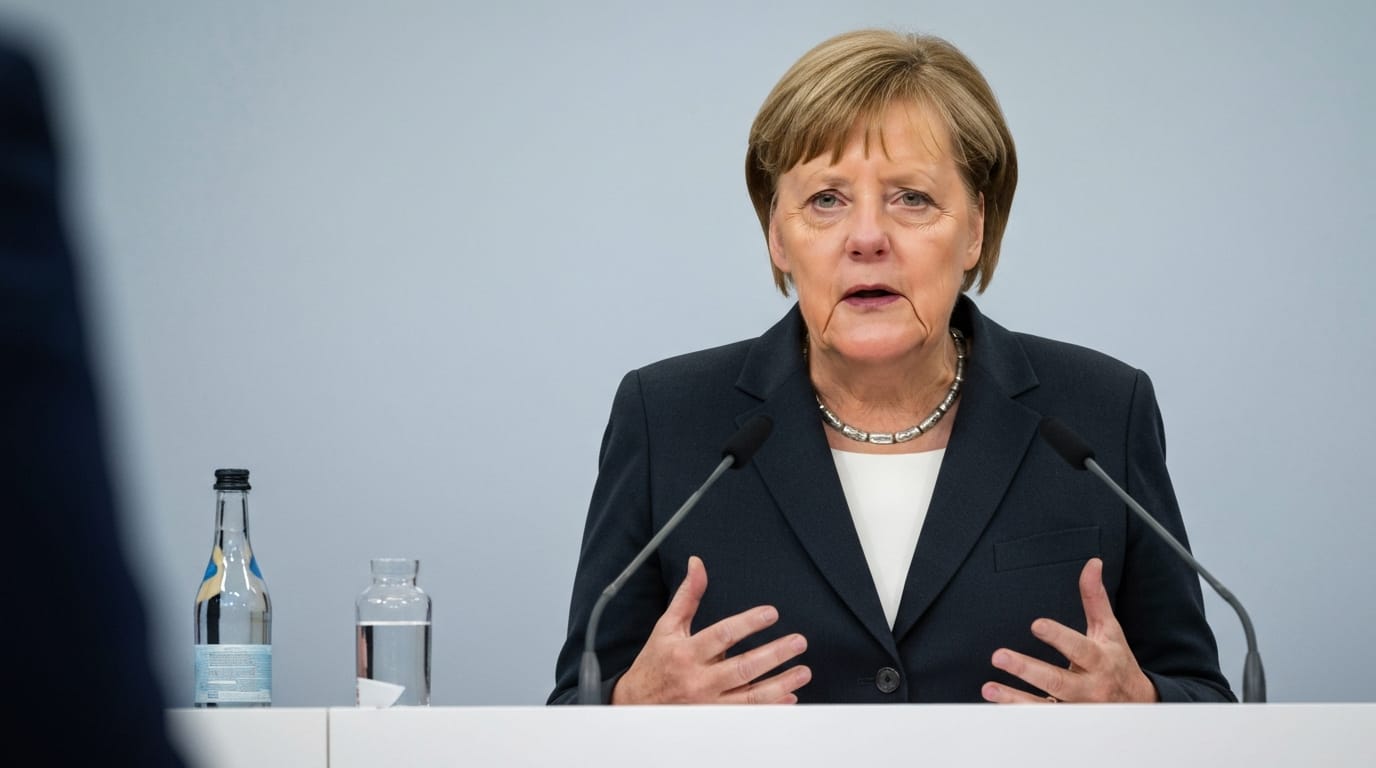
Germany is facing a profound national debate following a significant proposal from Friedrich Merz, leader of the Christian Democratic Union (CDU), to implement a nationwide ban on social media access for individuals under the age of 16. The proposition, stemming from escalating anxieties over youth mental health, online safety, and the pervasive influence of digital platforms, thrusts Germany into a growing global conversation about how societies can best safeguard their youngest citizens in an increasingly interconnected world. Merz's declaration signals a potential shift in policy focus, moving beyond mere guidance to considering stricter regulatory measures, setting the stage for a contentious yet critical discussion across political, educational, and family spheres.
The CDU's Call for Stricter Digital Safeguards
Friedrich Merz articulated his stance during a recent public appearance, emphasizing a deep concern for the developmental well-being of adolescents. His proposal targets popular social media platforms, suggesting that children and teenagers under 16 lack the maturity and resilience to navigate the complex challenges and pressures inherent in these digital environments. The CDU leader highlighted issues such as cyberbullying, exposure to harmful content, the addictive nature of algorithms, and the detrimental impact on mental health, including rising rates of anxiety, depression, and body image issues among young people. The party, traditionally focused on conservative values and family welfare, views this initiative as a necessary step to protect a vulnerable demographic from the perceived negative ramifications of unrestricted online engagement. This move is aligned with a broader, though not universally accepted, sentiment within parts of German society that current safeguards are insufficient and that a more robust, legislative approach is required to create a safer digital landscape for minors.
A Global Undercurrent: Age Restrictions and Their Efficacy
The discussion ignited by Merz in Germany resonates with an ongoing international dialogue concerning youth and digital platforms. Many social media sites currently enforce a minimum age of 13, a standard often criticized as easily circumvented and largely ineffective. Countries worldwide are grappling with similar dilemmas, with some exploring or enacting legislation to impose more stringent age verification processes or outright bans. The United Kingdom, for instance, has introduced online safety bills aimed at protecting children, while states in the United States have debated or passed laws restricting minors' access to social media. However, the practical enforcement of such bans remains a significant hurdle. Age verification technologies are often seen as imperfect, and resourceful young users can frequently bypass restrictions with parental consent workarounds or by simply falsifying their age. This global context underscores the complexity of the issue, indicating that a simple legislative decree, while well-intentioned, might face considerable challenges in its implementation and effectiveness without robust technological and societal support.
Navigating Practicalities, Privacy, and Digital Literacy
Implementing a social media ban for under-16s would present a myriad of practical, ethical, and legal challenges within Germany. A primary concern revolves around the enforcement mechanism: who would be responsible for ensuring compliance? Would it fall to parents, schools, or the platforms themselves? The technical infrastructure required to verify ages consistently and prevent circumvention is substantial, potentially involving sophisticated identity checks that could raise privacy concerns for all users. Furthermore, critics of an outright ban often argue that it could inadvertently widen the digital divide, limiting access to digital literacy skills crucial for future educational and professional success. In a world where digital communication is increasingly integral, some educators and child psychologists suggest that rather than a complete prohibition, the focus should be on digital education, media competence, and fostering critical thinking skills to equip young people to navigate online spaces safely and responsibly. They contend that a ban might merely push these activities underground, making it harder to monitor and support children in their online interactions.
Anticipated Reactions and the Road Ahead
Merz's proposal is expected to trigger a wide spectrum of reactions across Germany. Support is likely to come from concerned parents, child protection organizations, and educators who have witnessed firsthand the negative impacts of excessive or unsupervised social media use. They may emphasize the mental health benefits and improved focus on offline activities that a ban could potentially bring. Conversely, significant opposition is anticipated from the tech industry, which benefits from broader user bases, and from civil liberties advocates who might argue against state intervention in personal digital freedoms, even for minors. Young people themselves, many of whom rely on social media for peer interaction, news, and self-expression, are also likely to voice strong objections.
The legislative path for such a proposal would involve extensive parliamentary debate, expert consultations, and potentially public hearings. The ruling coalition, which includes the Social Democrats (SPD), the Greens, and the Free Democrats (FDP), would need to carefully weigh the proposal's merits against its feasibility, constitutional implications, and potential unintended consequences. The FDP, with its emphasis on individual freedom, might express particular skepticism. Ultimately, any move towards such a ban would necessitate a delicate balance between safeguarding the welfare of children and upholding principles of personal autonomy and access to information in the digital age.
The debate sparked by Friedrich Merz's proposal highlights a pivotal moment for Germany in defining its approach to digital citizenship and youth protection. While the intention to shield minors from online harms is widely shared, the proposed method of an outright social media ban for under-16s introduces complex questions about enforcement, individual rights, and the future of digital education. As the discussion unfolds, Germany will need to meticulously consider various perspectives, innovative solutions, and the broader societal implications to forge a path that genuinely safeguards its youth while preparing them for an increasingly digital future.


