Eritrea's Strategic Resurgence: A New Geopolitical Calculus in the Horn of Africa
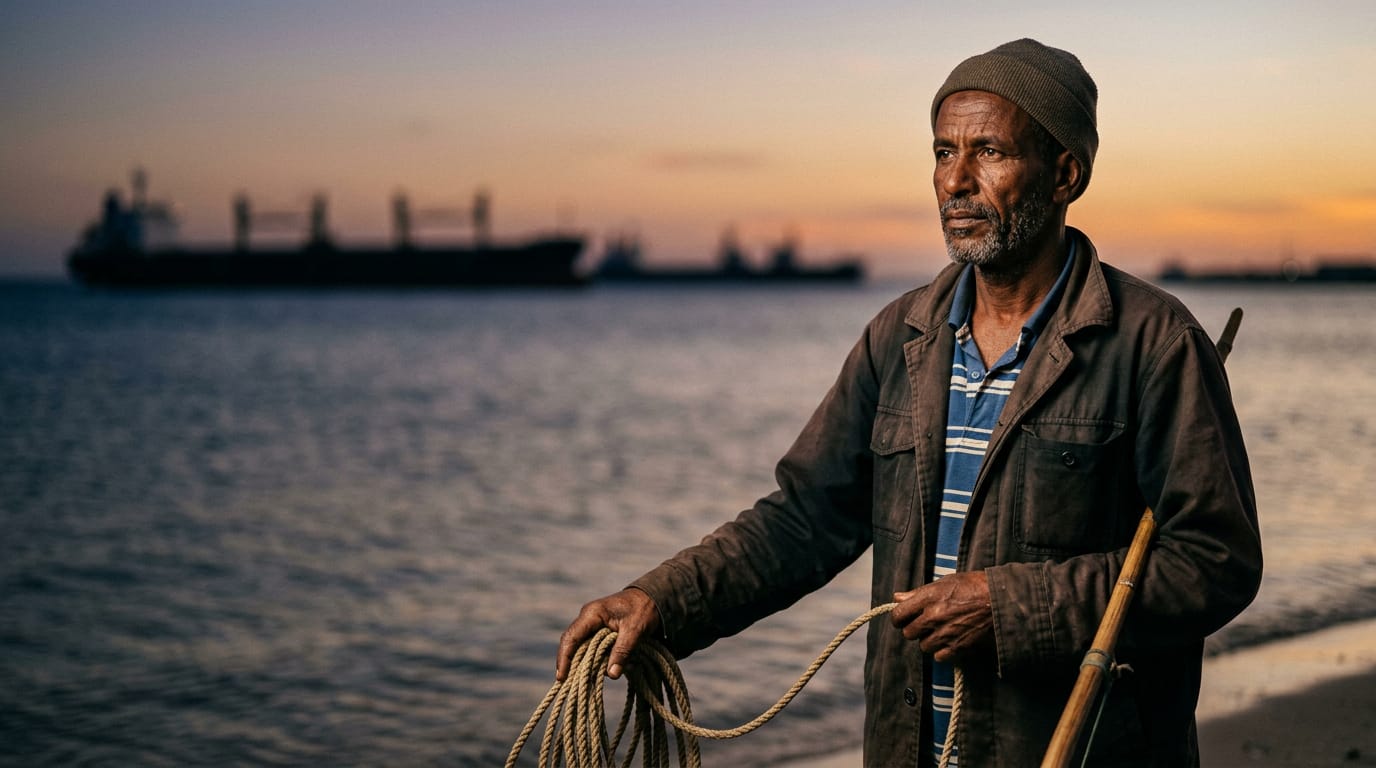
ASMARA – Eritrea, a nation long characterized by its isolation and internal focus, is rapidly re-emerging as a pivotal player in the complex geopolitical landscape of the Horn of Africa and the Red Sea. Its strategic location, bordering one of the world's most critical maritime chokepoints, the Bab el-Mandeb Strait, has thrust it into renewed international relevance, compelling global and regional powers to re-evaluate their engagement with the once-hermitic nation. This shift is reshaping alliances, influencing regional conflicts, and highlighting Eritrea's growing, albeit often controversial, assertiveness.
The Red Sea's Indispensable Guardian
Eritrea's primary geopolitical asset is its extensive coastline along the Red Sea, directly adjacent to the Bab el-Mandeb Strait. This narrow waterway, often referred to as the "Gate of Tears" due to the historical perils of its navigation, serves as a vital maritime artery connecting the Suez Canal and the Mediterranean Sea to the Indian Ocean. Approximately 30% of global oil and 40% of dry goods traffic, including a significant portion of Europe's maritime commerce with Asia, traverses this strait annually. Any disruption in this corridor carries profound consequences for global supply chains and international security.
For decades, Eritrea's strategic significance was often overlooked amid its protracted "no war, no peace" state with Ethiopia and its self-imposed isolation. However, recent attacks on international shipping in the Red Sea and Gulf of Aden have underscored the long-held Eritrean doctrine that sustainable maritime security cannot be achieved without capable and sovereign littoral states. Eritrea, with its control over key ports like Assab and Massawa and over 1,000 kilometers of coastline, is asserting its role as a crucial guardian of this critical global thoroughfare. This perspective challenges the reliance on external naval deployments, advocating instead for Red Sea governance to remain firmly in the hands of coastal states.
From Isolation to Assertive Engagement
Eritrea's foreign policy has historically been shaped by a strong emphasis on sovereign self-reliance and resistance to external interference. Following its independence from Ethiopia in 1993, a border conflict in 1998-2000 led to a prolonged period of hostility and isolation. The United Nations Security Council imposed sanctions on Eritrea in 2009, accusing it of supporting Al-Shabaab in Somalia and refusing to withdraw troops from a disputed border with Djibouti. These sanctions, which included an arms embargo, were eventually lifted in 2018, marking a significant turning point.
The 2018 peace deal with Ethiopia, which formally ended the "no war, no peace" status, ushered in a new phase for Eritrea's foreign policy, characterized by a more assertive and engaged approach to regional dynamics. This rapprochement initially raised hopes for regional stability and improved relations with international partners. However, Eritrea's re-engagement has also seen it increasingly involved in regional conflicts and diplomatic maneuvers, often aligning with specific actors to advance its strategic interests.
Shifting Alliances and Regional Interventions
Eritrea's renewed assertiveness is most evident in its evolving relationships and interventions across the Horn of Africa. Its involvement in the Tigray conflict in neighboring Ethiopia, which began in late 2020, highlighted its willingness to deploy military force beyond its borders. Eritrea has also maintained complex and at times tense relations with other neighbors, including Sudan and Djibouti. The country faced a border confrontation with Djibouti in 2008, with tensions arising from territorial disputes.
More recently, Eritrea has been accused of leveraging regional instability for its geopolitical gain, including alleged involvement in Sudan's ongoing civil war. While Asmara has presented itself as a neutral party seeking dialogue, some analysts suggest its actions reflect a broader strategy of influencing regional power balances. This approach is seen by critics as a continuation of a "destabilization as modus operandi," where Eritrea exploits crises to advance its political and security interests.
Diplomatic consultations, such as those held in Cairo in July 2026 involving Egypt, Somalia, Eritrea, and a U.S. envoy, underscore the interconnectedness of security challenges in the Horn of Africa and the Red Sea. Eritrea's participation in such discussions, alongside its strengthening military ties with countries like Somalia and Egypt, indicates a challenge to traditional power structures in the region. Cairo, in particular, views maintaining ties with Eritrea as part of a broader effort to preserve its influence in a region where access, security, and political alignments are increasingly contested.
Internal Realities Shaping External Posture
Eritrea's foreign policy is largely driven by its highly centralized political system, with President Isaias Afwerki maintaining decisive control over security, diplomacy, and regional strategy since independence. This leadership has prioritized regime security and territorial integrity, even at the cost of international isolation.
A significant internal factor influencing Eritrea's external relations is its compulsory national service system, which, despite a legal cap of 18 months, often extends indefinitely for citizens aged 18 to 40. This policy has led to widespread emigration and allegations of human rights abuses, including forced labor. The continuous state of preparedness, partly justified by perceived external threats, contributes to Eritrea's assertive and often militaristic foreign policy stance.
Despite international sanctions and strained relations with some Western powers, Eritrea has proven resilient, relying on covert economic operations and engaging with various international partners, including Gulf countries and, to a lesser extent, China. Its refusal to host foreign military bases and its tight control over its coastline reflect a consistent pattern of strict non-alignment and a desire to prevent the Red Sea from becoming a theater for proxy conflicts.
Conclusion: A Persistent Force in a Volatile Region
Eritrea's journey from a largely isolated nation to an emerging key player in the Horn of Africa's geopolitical chessboard is a testament to its strategic geographic endowment and the determined, centralized nature of its foreign policy. The nation's coastline along the Red Sea and its proximity to the Bab el-Mandeb Strait confer upon it an indispensable role in global maritime security. While its re-engagement has offered opportunities for regional stability, it has also introduced new complexities and exacerbated existing tensions, particularly through its involvement in neighboring conflicts and shifting alliances.
As the Red Sea basin continues to be a focal point for global trade, security partnerships, and geopolitical competition, Eritrea's assertiveness is likely to remain a significant factor. Its emphasis on the sovereignty of littoral states in securing the Red Sea challenges conventional security approaches and demands a nuanced understanding of its motivations and capabilities. The trajectory of peace and stability in this critical region will, in part, depend on how Eritrea navigates its renewed prominence, balancing its national interests with the broader imperatives of regional cooperation and international law.


