Erosion of the Fourth Estate: White House Actions Jeopardize U.S. Press Freedom
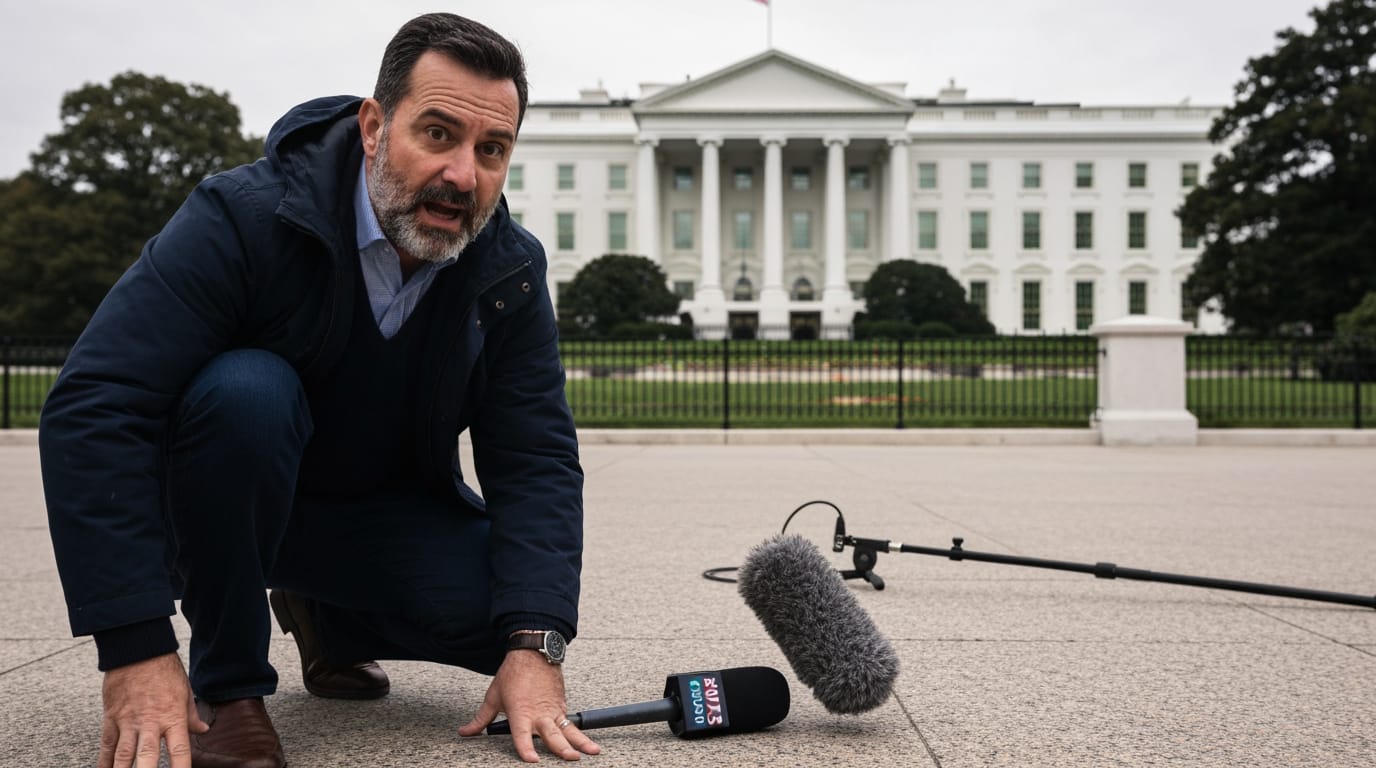
Washington D.C. — An increasingly adversarial stance from the White House, marked by aggressive rhetoric and restrictive policies, has significantly eroded press freedom in the United States, raising concerns about the fundamental role of independent journalism in a democratic society. Over recent years, actions ranging from labeling news organizations as "enemies of the people" to curtailing reporter access and escalating surveillance have created a chilling effect that impacts both journalists' ability to report and the public's trust in credible information. This climate of hostility has drawn sharp criticism from press freedom advocates domestically and internationally, highlighting a concerning trajectory for a nation historically viewed as a beacon of free expression.
The War of Words: Branding the Media an "Enemy"
Central to the degradation of press freedom has been a deliberate and consistent campaign of rhetorical attacks against journalists and news organizations. Political leaders have frequently dismissed unfavorable coverage as "fake news," "dishonest," and "corrupt," often culminating in the inflammatory label of "enemies of the people." This rhetoric, widely disseminated through public rallies and social media, aims to sow deep distrust in media outlets, delegitimize independent reporting, and undermine the very concept of objective facts.
The consequences of such language extend beyond mere verbal sparring. Organizations like ARTICLE 19 and the Committee to Protect Journalists (CPJ) have documented how this hostile environment has fostered an "intense climate of fear" among journalists. Reports indicate an increase in threats, harassment, and even physical attacks against reporters, with some instances directly channeling the president's language. This persistent vilification serves as a potent political tactic, effectively shifting narratives and diminishing the credibility of media institutions in the eyes of a significant portion of the public.
Controlling the Narrative: Restricting Access and Credentials
Beyond rhetoric, concrete actions by the White House have directly impacted journalists' ability to gather and disseminate information. Access to official sources and events has become increasingly conditional and selective. The White House has been accused of limiting traditional press briefings, altering the composition of the press pool, and even banning specific news outlets from events.
Notable instances include the temporary revocation of CNN reporter Jim Acosta's press credentials after a contentious exchange during a news conference, a move that prompted legal challenges citing First and Fifth Amendment concerns. Furthermore, the White House introduced new, more stringent criteria for "hard passes," leading to the revocation of credentials for a substantial portion of the press corps. In one particularly contentious episode, the Associated Press was reportedly banned from White House events for refusing to adopt a preferred governmental term ("Gulf of America" instead of "Gulf of Mexico"), an action that drew condemnation from over 40 journalism organizations. Critics argue these measures are designed to punish unfavorable coverage and prevent scrutiny, rather than facilitate transparency.
The Chilling Effect: Surveillance and Whistleblower Prosecutions
A pervasive threat to press freedom also stems from the government's expansive surveillance capabilities and its aggressive prosecution of whistleblowers and sources. Revelations stemming from Edward Snowden's leaks in 2013 highlighted the alarming scope of mass surveillance programs, which allow authorities to monitor communications between journalists and their confidential sources. This capability, combined with increased leak prosecutions and "Insider Threat Programs" across federal agencies, has cultivated a chilling effect, making sources hesitant to share information with journalists, even when it is in the public interest.
While the Biden administration announced a policy to ban the seizure of reporters' phone and email records in leak investigations, concerns about government spying on journalists and their sources persist. The absence of a comprehensive federal press shield law further exacerbates this vulnerability, leaving journalists susceptible to wiretapping and other intrusive methods to identify confidential sources. The use of the Espionage Act against government leakers, a practice that gained significant traction during the Obama administration, continues to be a point of contention, with fears that it could be weaponized to silence the press and deter future disclosures vital for public discourse.
Declining Trust and Diminished Global Standing
The cumulative impact of these actions—rhetorical assaults, access restrictions, and increased surveillance—is clearly reflected in a significant decline in public trust in media and the United States' international standing in press freedom. Public confidence in news media has reached historic lows, particularly among Republicans, where skepticism has surged. A 2025 Gallup poll indicated that 31% of Americans trust the media "a great deal" or "a fair amount," while 36% expressed "no trust at all." A 2025 study from Rice University and the University of Houston found that criticism from Republican politicians significantly impacted public trust in local news, with Republican voters showing a substantial drop in trust from 74% to 43% when exposed to such criticism.
Internationally, the United States has experienced a steady descent in the World Press Freedom Index compiled by Reporters Without Borders. Once ranked 17th in 2002, the U.S. fell to 45th in 2023, then plunged to 55th in 2024, and further to 57th in 2025. This alarming decline is attributed to both hostile rhetoric and institutional attacks against the press. Critics warn that such an environment not only undermines democratic principles at home but also sets a dangerous precedent, emboldening authoritarian regimes globally to further restrict their own media.
Financial and Regulatory Pressures on the Press
Beyond direct attacks, the White House has also exerted pressure through financial and regulatory channels. Threats to defund public broadcasters like NPR and PBS have been proposed, which could severely impact access to news and educational content, particularly in rural areas often designated as "news deserts." The Federal Communications Commission (FCC) has faced accusations of taking "extraordinary steps to investigate and intimidate broadcasters" over their internal policies and editorial decisions, and of collaborating with the White House to initiate investigations against outlets perceived as critical. These actions, coupled with lawsuits against news organizations for unfavorable coverage, suggest a concerted effort to leverage governmental power to influence media content.
The cumulative effect of these pressures, from rhetorical attacks to policy changes and legal threats, poses a profound challenge to the integrity of the American press. Organizations such as the Committee to Protect Journalists, Reporters Without Borders, PEN America, and the American Civil Liberties Union have consistently condemned these trends, advocating for a renewed commitment to safeguarding journalistic independence. The ability of journalists to report freely and hold power accountable remains an indispensable pillar of American democracy, and its erosion carries significant, long-term implications for informed public discourse and governance.


