Escalating Crisis and U.S. Pressure Drive Cuba to Negotiation Table
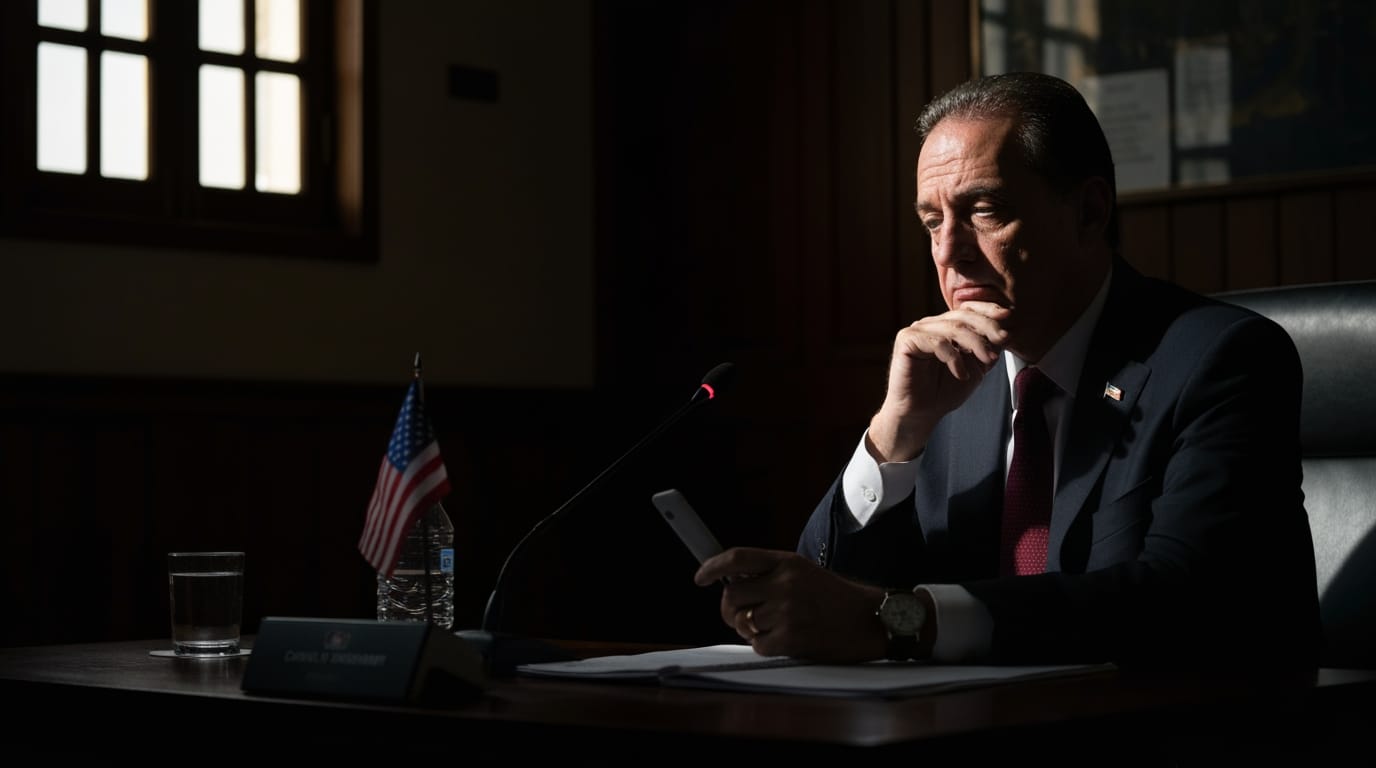
HAVANA – Cuba finds itself at a critical juncture, grappling with a profound economic and energy crisis exacerbated by intensified U.S. sanctions, a situation that appears to be compelling the socialist island nation towards diplomatic engagement with Washington. Widespread blackouts and severe shortages have created a humanitarian strain, prompting Cuban officials to signal a willingness for dialogue even as the Trump administration asserts its intent for a significant shift in the island’s governance.
Renewed Sanctions Tighten Economic Noose
The Trump administration markedly reversed the Obama-era diplomatic opening with Cuba, systematically reimposing and tightening a range of economic restrictions. These measures included new limitations on U.S. travel to the island, stricter rules on American businesses engaging with Cuban entities linked to the military, and a crackdown on remittances to the island. The stated aim of this "maximum pressure" campaign was to deprive the Cuban government of revenue and foster conditions for political change.
A pivotal element of this strategy was the implementation of an oil blockade. In a significant escalation, the U.S. effectively cut off Cuba's supply of subsidized oil from Venezuela and threatened sanctions against other countries attempting to provide fuel to the island. This move was designed to cripple Cuba's energy sector, which is heavily reliant on foreign imports. The Trump administration's actions built upon a decades-long U.S. trade embargo, which has comprehensively impacted all sectors of the Cuban economy since 1960.
Blackouts Cripple Daily Life Amid Deepening Energy Crisis
The U.S. oil blockade has thrust Cuba into its most severe energy crisis in recent history, leading to frequent and prolonged power outages across the nation. In recent weeks and months, the island has experienced multiple island-wide blackouts, plunging millions into darkness. Cuban officials reported a "complete disconnection" of the national electrical system during some of these incidents, with power restoration efforts often slow and incremental.
The energy scarcity has had a cascading effect on the Cuban economy and the daily lives of its 11 million residents. Hospitals have been forced to cancel surgeries, vehicles remain idled due to lack of fuel, and the ability to preserve food is severely hampered by intermittent electricity, leading to spoilage. Reports indicate that some areas experience blackouts lasting more than 20 hours daily, with even the capital, Havana, enduring cuts of four to ten hours. This dire situation is compounded by Cuba's aging and poorly maintained power grid, which has been described as a "systemic failure" requiring significant recapitalization. The current crisis marks a painful return to conditions reminiscent of Cuba's "Special Period" in the 1990s following the collapse of the Soviet Union.
Havana Signals Readiness for Dialogue
Amid the mounting pressure and humanitarian challenges, Cuba has indicated a readiness for diplomatic engagement with the United States. Ambassador Lianys Torres Rivera, Cuba's top diplomat in Washington, stated that Havana is "ready to engage with the U.S. on the issues that are important for the bilateral relations, and to talk about those in which we have differences." Cuban President Miguel Díaz-Canel has also confirmed that his government has been holding meetings with American officials to explore "potential solutions for our bilateral differences."
These overtures come at a time when the economic strain on Cuba is undeniable, with the country's economy teetering on the verge of collapse. The severity of the situation has led to rare public protests in a country known for repressing dissent, further underscoring the population's growing frustration.
High Stakes and Conflicting Agendas
The prospect of renewed negotiations between the U.S. and Cuba is fraught with complex demands and conflicting objectives from both sides. For the Trump administration, the talks are seen as an opportunity to achieve significant political change on the island. President Trump has openly discussed the possibility of a "friendly takeover" of Cuba and has expressed confidence that a "deal would be made very easily." Key U.S. demands reportedly include the release of political prisoners and concrete steps towards political and economic liberalization within Cuba. Some U.S. officials have explicitly stated that the administration seeks the departure of Cuba's current leader, President Miguel Díaz-Canel, as part of any agreement.
From Cuba's perspective, any dialogue must respect its sovereignty and "right to self-determination." While the severe fuel and economic crisis makes obtaining relief from sanctions and ensuring oil flow a priority, Cuban leaders have emphasized that they are unwilling to concede on issues that would amount to one government dictating another's behavior. The Cuban government has consistently blamed U.S. sanctions and the oil blockade for the humanitarian crisis, characterizing it as "collective punishment against the Cuban people" and a form of "economic warfare."
An Uncertain Path Forward
The convergence of intensified U.S. pressure, a deepening energy crisis, and humanitarian suffering has undeniably pushed Cuba to acknowledge the necessity of engagement. This delicate diplomatic dance, however, unfolds against a backdrop of decades of mistrust and ideological differences. The profound impact on the Cuban populace, enduring severe shortages and daily blackouts, highlights the significant human cost of the current geopolitical standoff. As talks proceed, the international community watches closely to see if the immense pressure can pave the way for a resolution that addresses both the immediate humanitarian needs and the long-term political trajectory of the island nation. The path ahead remains uncertain, but the current circumstances suggest that the status quo is no longer sustainable for Cuba.


