Escalating Iran Conflict Triggers Historic Surge in U.S. Gasoline Prices, Threatening Economic Stability
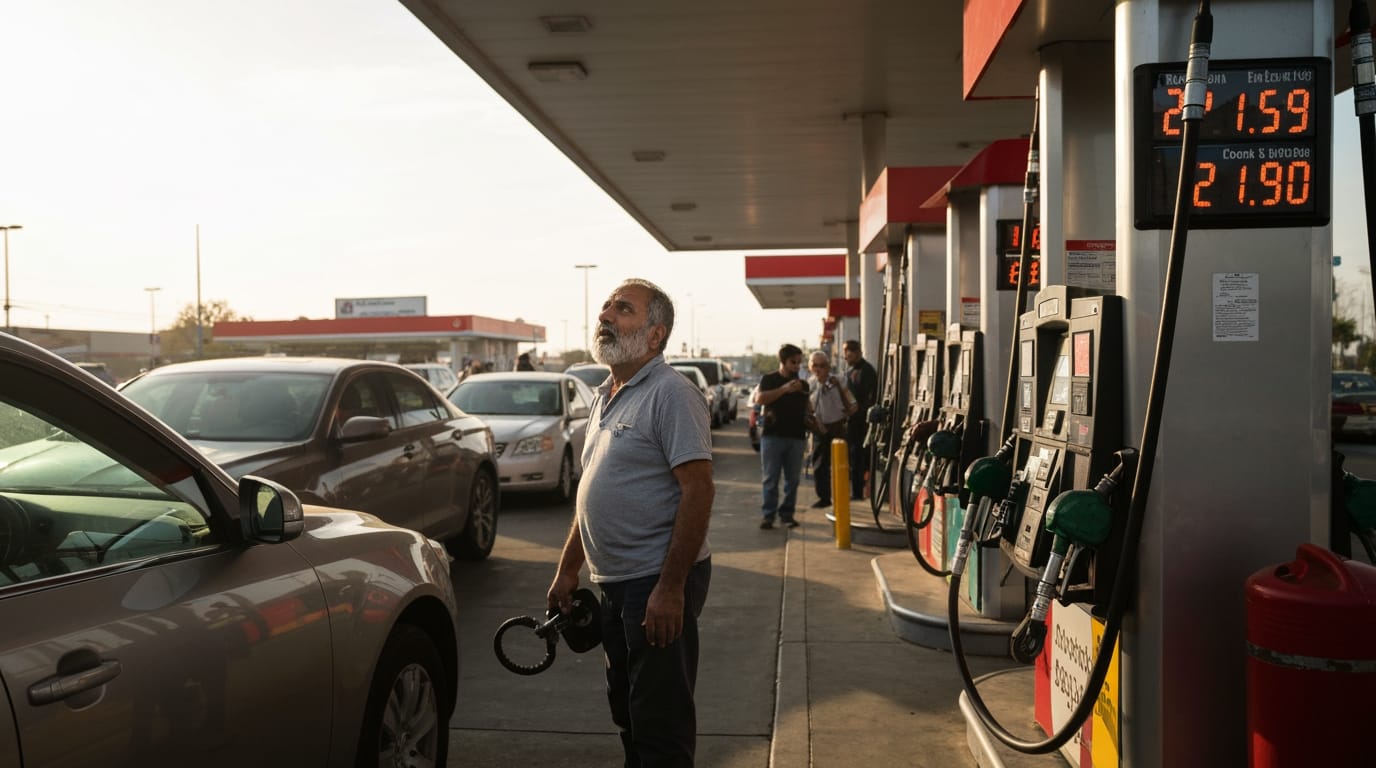
Washington D.C. — American motorists are confronting unprecedented pain at the pump as an escalating conflict involving Iran has triggered the most significant disruption to global oil markets in history, sending U.S. gasoline prices soaring. The volatile geopolitical landscape, marked by recent U.S. and Israeli strikes on Iran and retaliatory actions, has choked off critical shipping lanes in the Middle East, particularly the Strait of Hormuz, directly impacting the wallets of millions across the nation.
The surge in fuel costs reflects a dangerous convergence of geopolitical tensions and economic vulnerability. With national average gasoline prices climbing to approximately $4 per gallon, an increase of roughly $1 in March alone, and some regions like California witnessing prices exceeding $5 per gallon, households and businesses are bracing for prolonged financial strain. This dramatic increase, fueled by a substantial rise in global crude oil benchmarks, casts a long shadow over the U.S. economy, evoking comparisons to the energy crises of the 1970s and raising concerns about inflation and slowed growth.
Strait of Hormuz: The Chokepoint of Global Energy
At the heart of the current crisis lies the Strait of Hormuz, a narrow waterway through which approximately one-fifth of the world's oil supply and a significant portion of its liquefied natural gas (LNG) typically flows. Following recent escalations in the conflict, Iran's actions have led to the effective closure or severe disruption of this vital maritime passage, profoundly impacting global energy markets. This blockade has stranded oil and LNG exports, forcing QatarEnergy to declare force majeure on all exports and contributing to an estimated 6.7 million barrels per day (bpd) drop in oil production from Gulf Cooperation Council states by early March, further increasing to at least 10 million bpd by mid-March.
The International Energy Agency (IEA) has starkly characterized this event as the "largest supply disruption in the history of the global oil market" and the "greatest global energy security challenge in history". While Saudi Arabia and the UAE possess limited alternative pipeline routes, these are insufficient to offset the vast volumes typically transiting the Strait, leaving major oil exporters like Iran, Iraq, and Kuwait heavily reliant on the now-compromised chokepoint.
Crude Oil Volatility and Pump Price Cascade
The immediate consequence of the Hormuz disruption has been a dramatic escalation in crude oil prices. Brent crude, the international benchmark, surged past $120 per barrel and reached $111.01 per barrel by late March, representing a 53% increase since late February 2026. Similarly, West Texas Intermediate (WTI) crude, the U.S. benchmark, rose 45% to $97.07 per barrel during the same period. Analysts at Goldman Sachs estimated an immediate risk premium of about $14 per barrel for oil as of March 3, reflecting heightened market anxiety.
This sharp rise in crude oil prices directly translates to higher costs for gasoline at the pump. Across the U.S., consumers have seen prices climb daily, with Florida recording a four-year high average of $3.95 per gallon and Texas experiencing increases from roughly $2.70 to over $3.50 a gallon in just over a month. Experts warn that the full impact may not yet be felt, as higher crude costs typically take several weeks to filter through to retail gasoline prices. Some forecasts suggest that national averages could peak around $4.36 a gallon in May. Even strong domestic U.S. energy production, which has historically offered some buffer, has been unable to shield consumers from the global market dynamics driving this crisis.
Broad Economic Repercussions and Consumer Hardship
The ramifications of surging gasoline prices extend far beyond the gas tank, permeating every facet of the U.S. economy and imposing significant hardship on American households. The crisis mirrors aspects of the 1970s energy shocks, carrying risks of increased inflation, currency volatility, and even stagflation or recession. High fuel costs are inherently regressive, disproportionately burdening lower-income households who dedicate a larger share of their budgets to transportation. This often forces them to make difficult choices, cutting back on essential spending in other areas such as food, clothing, and utilities.
Businesses, particularly those reliant on transportation and logistics, face increased operational costs that are often passed on to consumers, further fueling inflationary pressures. The cost of diesel, essential for trucking and agricultural machinery, has also seen steep increases, foreshadowing higher prices for groceries and other goods as supply chains absorb the elevated transport expenses. Consumer confidence has plummeted to its lowest point since December 2025, reflecting widespread anxiety over the economic outlook. For many, the anticipated boost from tax refunds this year is likely to be completely negated by the escalating cost of gasoline.
Real-world accounts paint a vivid picture of the struggle. An Indianapolis bank employee reported driving less and holding onto an aging vehicle, concerned about the cost of repairs and the lack of reliable public transportation. A Massachusetts librarian shared how her husband has taken on extra delivery shifts, sometimes working 12 to 14 hours daily, just to keep pace with rising fuel, grocery, rent, and utility bills, lamenting, "we are drowning".
Government Responses and Outlook
In response to the mounting crisis, international bodies and governments are grappling with a complex and rapidly evolving situation. The IEA has authorized its largest-ever release of emergency oil stocks, amounting to 400 million barrels over approximately two months. While a significant measure, this release is estimated to cover only a fraction of the oil supply lost due to the Strait of Hormuz closure, which has removed roughly 15% to 17% of global demand.
Meanwhile, U.S. political leaders face mounting pressure. President Donald Trump has issued stern warnings, threatening to destroy Iran's oil infrastructure, power plants, and Kharg Island if the Strait of Hormuz is not immediately reopened and a deal is not reached. The White House appears to be accepting the political risks associated with higher oil prices in pursuit of its foreign policy objectives.
The duration and intensity of the conflict remain critical variables. While some analysts initially hoped for a short-term disruption, the ongoing nature of hostilities and attacks on energy infrastructure, such as Iran's ballistic missile strikes on Qatar's LNG facilities, suggest a protracted challenge. Goldman Sachs analysts indicate that oil prices could rise substantially more if the market demands a premium for persistent supply disruptions. The future trajectory of U.S. gasoline prices and the broader economy will heavily depend on de-escalation efforts and the eventual restoration of unimpeded transit through the Strait of Hormuz.
Conclusion
The escalating conflict involving Iran and the subsequent disruption of the Strait of Hormuz have cast a long and immediate shadow over American consumers and the U.S. economy. The historic surge in gasoline prices, driven by unprecedented global supply disruptions, is forcing widespread financial adjustments and deepening concerns about inflation and economic growth. As the conflict continues, the ability of households to manage rising costs and the resilience of the economy will be severely tested, underscoring the profound and far-reaching impact of geopolitical instability on daily life.


