Escalating Middle East Conflict Grounds Sports, Threatens Global Events
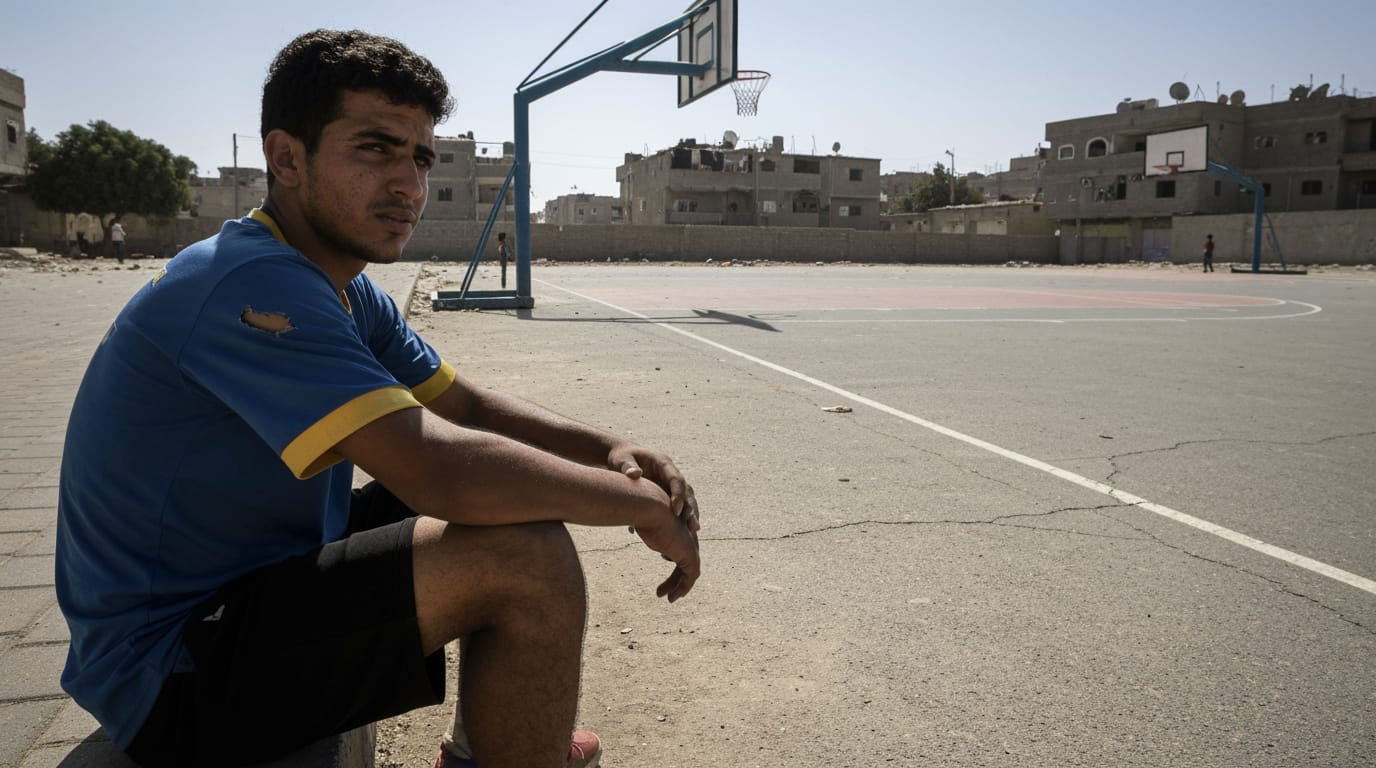
The world of international sports finds itself in unprecedented disarray as an escalating conflict involving the United States, Israel, and Iran triggers widespread disruptions across the Middle East and beyond. A series of recent military strikes and retaliatory actions has plunged the region into heightened instability, leading to airspace closures, mass flight cancellations, and the postponement or cancellation of numerous sporting fixtures. Athletes, teams, and sporting organizations are grappling with immediate logistical nightmares, raising significant concerns about the viability of upcoming events and the long-term impact on global sports calendars.
Airspace Lockdowns and Travel Chaos Paralysis Sports World
The immediate and most palpable impact of the developing conflict has been the sudden closure of airspace over several key Middle Eastern nations, including the United Arab Emirates and Qatar. This measure, prompted by the exchange of missile strikes and reports of explosions across the region, has forced the grounding of flights by major carriers like Emirates, Etihad, and Qatar Airways, which operate critical international transit hubs in Dubai and Doha. The resulting travel chaos has directly affected thousands of individuals connected to the sports industry.
Hundreds of Formula 1 personnel, for instance, found their travel plans upended as they attempted to reach Melbourne for the season-opening Australian Grand Prix. With major airports effectively shut down, F1 teams and organizational staff have been compelled to seek alternative, often circuitous routes via locations such as Hong Kong and Singapore, turning what would typically be routine journeys into arduous, multi-day ordeals. Similarly, athletes from other disciplines have been stranded; Singaporean table tennis star Izaac Quek, for example, had his Qatar Airways flight to Paris canceled, forcing him to miss a French league match. The International Paralympic Committee (IPC) is also closely monitoring the situation, acknowledging that the closure of Middle Eastern airspace is impacting the arrival of some stakeholders for the Milano Cortina 2026 Paralympic Winter Games.
Football Leagues Face Immediate Suspensions and Uncertainty
Football, a passion across the Middle East, has been particularly hard hit, with several leagues and regional competitions announcing immediate suspensions. Iran's domestic league has been indefinitely postponed following the escalation, with the country's football federation taking action just hours after initial strikes. In Qatar, scheduled matches for the Qatar Stars League were called off, and there remains no confirmation on when competition will resume. This includes teams like Al Arabi, which features several international players.
The ripple effect extends to prestigious continental tournaments. The Asian Football Confederation (AFC) Champions League and Champions League Two matches in the West Region have also been postponed. Games slated for Doha and Dubai, featuring prominent clubs such as Saudi Arabia's Al Ahli, Al Hilal, Al Ittihad, and Al Nassr (featuring star players like Cristiano Ronaldo), as well as Qatar's Al Sadd and Al Duhail, have been affected. The AFC released a statement indicating it would "continue to closely monitor this rapidly evolving situation" to ensure the safety and security of all involved. While some regional fixtures, notably in the Saudi Pro League, proceeded as planned amidst the turmoil, the overarching sentiment among governing bodies is one of caution and concern for participant safety.
Global Sports Calendar Under Scrutiny
Beyond football, the far-reaching nature of the conflict poses questions for various international sporting calendars. While upcoming Formula 1 races are geographically distant in Australia, China, and Japan, the travel disruptions underscore the vulnerability of a globally connected sport to regional instability. Concerns have been raised about the viability of future F1 races scheduled for Bahrain and Saudi Arabia, though these are weeks away, allowing for continued monitoring of the situation. The sport's leadership has affirmed that contingency plans are a standard part of their operational framework for events in sensitive regions.
Other sports are also feeling the impact. Basketball's EuroLeague announced the suspension of a scheduled game between Hapoel and Paris in Tel Aviv. High-profile events like the Finalissima, an intercontinental football match between Argentina and Spain slated for Qatar, are facing growing uncertainty, with security considerations now paramount. FIFA, the global football governing body, has acknowledged it is "monitoring developments" and hopes that teams and fans will not encounter problems.
Geopolitics' Enduring Grip on Sport
This current crisis serves as a stark reminder of the inextricable link between geopolitics and international sports. The increasing globalization of the sports industry, with events frequently hosted in diverse and sometimes politically volatile regions, amplifies its exposure to geopolitical risks. Past instances, such as the boycott of the 1980 Moscow Olympics or the sustained suspension of bilateral cricket series between India and Pakistan due to political tensions, illustrate a long history of global events shaping sporting endeavors.
The economic repercussions of event cancellations and travel disruptions are significant, affecting host cities, sponsors, and broadcasting revenues. Sporting organizations are continuously challenged to balance commercial interests with the paramount concerns of athlete and spectator safety. The current Middle East conflict, with its broad scope and impact on travel infrastructure, highlights how quickly even well-planned international sporting schedules can be thrown into disarray by geopolitical realities.
An Uncertain Future for Regional and International Competitions
As the conflict in the Middle East continues to unfold, the immediate future of sports in the region and for any international events requiring transit through it remains highly uncertain. The ongoing threat of missile attacks and the instability across multiple nations necessitate a cautious approach from sports governing bodies. While some events may find ways to proceed or reschedule, the widespread disruptions to travel and the overarching security concerns underscore a profound moment of challenge for the global sports community. The human element of this crisis, from stranded athletes to displaced fans, serves as a poignant reminder of the broader societal impact when geopolitical tensions boil over into open conflict.