Geopolitical Storm Clouds Gather Over 2026 World Cup Preparations
As the countdown to the 2026 FIFA World Cup enters its critical final phases, preparations for the largest edition of the global football spectacle are being overshadowed by a confluence of escalating geopolitical tensions and multifaceted security concerns. The tournament, set to be co-hosted across 16 cities in the United States, Mexico, and Canada, faces unprecedented challenges, with recent military actions between the U.S. and Iran, coupled with ongoing violence in Mexico, adding layers of complexity to an already monumental undertaking. These developments raise significant questions about the tournament's stability, fan safety, and the very spirit of international unity that the World Cup aims to embody.
Middle East Unrest Casts Long Shadow on Participation
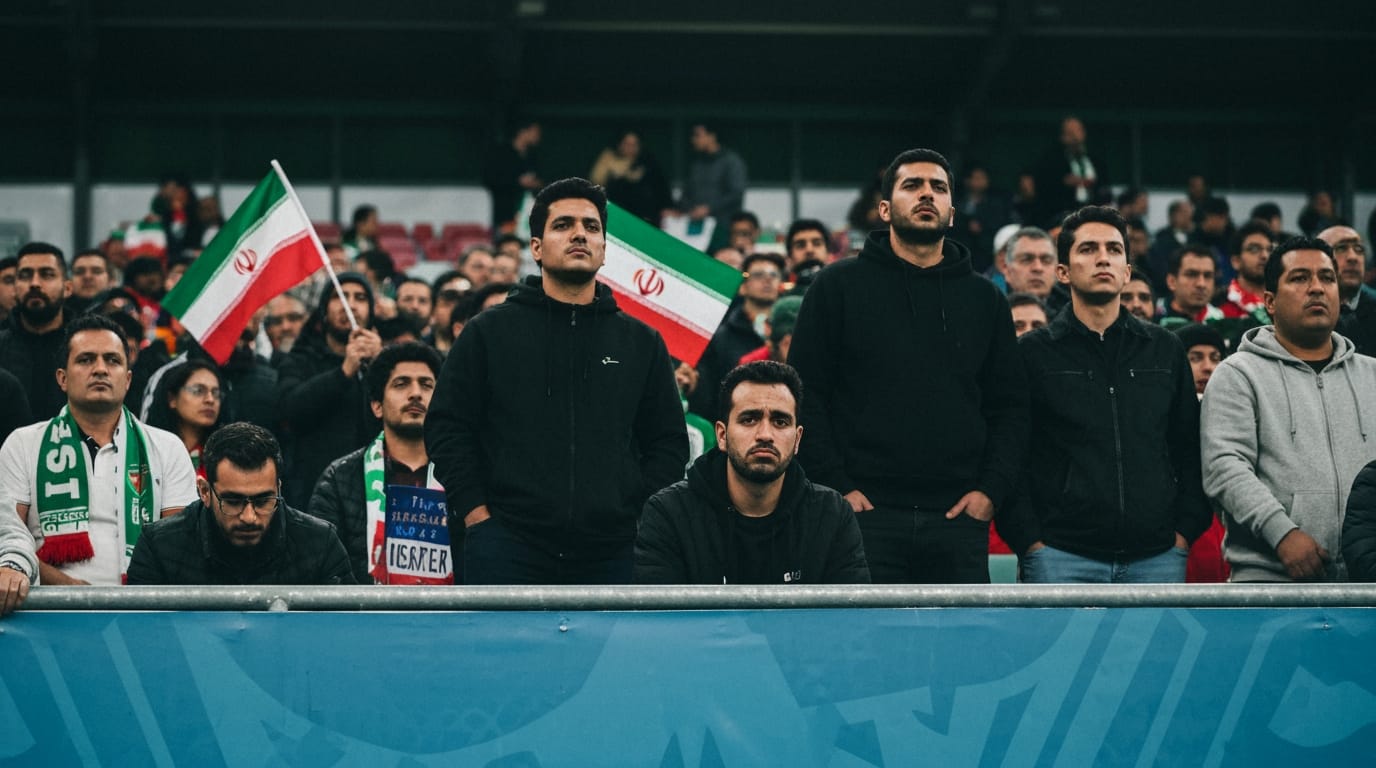
The prospect of a smooth 2026 World Cup has been significantly complicated by a recent dramatic escalation in the Middle East, involving joint strikes by the United States and Israel on Tehran, Iran's capital, which reportedly resulted in significant casualties, including the country's supreme leader. In retaliation, Iran launched missiles at U.S. military bases across several Gulf states. This rapidly intensifying conflict has led to profound uncertainty regarding Iran's participation in the tournament. Mehdi Taj, president of the Iranian Football Federation, publicly expressed doubt about the national team's ability to play its scheduled matches in the United States, stating that "after this attack, we cannot be expected to look forward to the World Cup with hope."
Iran is slated to play all three of its group stage matches on U.S. soil, with games scheduled in Los Angeles and Seattle. Adding to the complexity, Iranian fans face an existing travel ban affecting Iranian citizens, which has been in place since June 2025, although some exceptions for athletes and team members have been noted. The potential withdrawal of a qualified nation due to ongoing military confrontation with a host country would mark a dramatic development for the tournament, forcing FIFA to navigate a delicate diplomatic landscape. While FIFA Secretary General Mattias Grafstrom indicated the organization is monitoring developments and hopes for "everybody participating," the situation remains highly fluid.
Mexico's Security Landscape Under Scrutiny
Beyond the geopolitical tremors emanating from the Middle East, significant security concerns have also emerged within one of the host nations, Mexico. The country experienced a turbulent period when Mexican authorities launched a military operation to capture Nemesio Oseguera Cervantes, known as "El Mencho," a prominent cartel leader. The cartel's aggressive response triggered widespread violence, including road blockades, arson attacks, looting, and killings across 20 Mexican states, with Jalisco, a key World Cup host state, experiencing particularly intense unrest.
Despite this wave of violence, which drew international media attention and prompted questions about the tournament's feasibility, FIFA President Gianni Infantino and Mexican authorities have maintained confidence in Mexico's ability to host its scheduled matches. However, the presence of drug trafficking organizations (DTOs) seeking to exploit commercial opportunities by establishing front companies for vendor contracts during the event presents additional legal and compliance risks for businesses involved. The influx of millions of fans also elevates the risk of opportunistic crimes and even violent incidents, particularly in areas with known cartel presence.
Unprecedented Scale Brings Multifaceted Operational and Security Challenges
The 2026 World Cup is set to be the largest in history, featuring 48 teams and 104 matches spread across 16 venues in three countries. This expansive format introduces a unique set of logistical and security challenges that extend far beyond direct conflict zones or localized crime. Authorities in the United States, for instance, are grappling with delays in federal funding designated for World Cup security, leading some host city officials to warn that events could be scaled back if funds are not released promptly.
The sheer scale of the event also necessitates seamless coordination among hundreds of local, national, and international agencies, including the FBI and White House Task Force. Public safety remains a paramount concern, particularly with millions of fans expected to attend matches and fan festivals. Risks include crowd control issues, potential hooliganism, and the threat of violent protests or even terrorist attacks, especially in the hospitality sector. Activist groups are expected to leverage the tournament's global visibility to highlight various causes, including opposition to U.S. immigration policies and LGBTQ advocacy, potentially leading to disruptions near venues.
Furthermore, the tournament faces operational hurdles like extreme heat in many host cities, with 10 of the 16 stadiums putting players and spectators at risk of severe heat stress and dehydration. Public transportation infrastructure also presents a challenge, with cities like Arlington, Texas, lacking fixed public transport systems, and Philadelphia facing major service cuts. The influx of an estimated six million fans will also strain resources, likely leading to inflated pricing for accommodation, flights, and local transport, alongside increased demand for medical care and essential services.
Human Element and FIFA's Diplomatic Tightrope
At the heart of these logistical and geopolitical complexities lie the human stories of players and fans. The uncertainty surrounding Iran's participation deeply affects its national team and supporters, who have long anticipated this global stage. The existing travel restrictions for Iranian citizens underscore a broader concern about fan access and the inclusive spirit of the World Cup. The "perception of instability or political risk" can significantly deter international travel, impacting fan attendance and the overall atmosphere of the event.
FIFA, as the global governing body of football, finds itself walking a diplomatic tightrope. Tasked with delivering a safe and universally celebrated tournament, it must navigate a world increasingly fraught with political polarization and regional conflicts. The organization's commitment to ensuring the participation of all qualified teams and providing a secure environment for athletes and fans worldwide will be rigorously tested. The World Cup, traditionally a symbol of global camaraderie, faces the challenge of upholding this ideal amidst a backdrop of real-world tensions and anxieties.
The 2026 FIFA World Cup, poised to be an event of unprecedented scale and ambition, is simultaneously confronting a convergence of formidable challenges. From the acute geopolitical strains involving the U.S. and Iran to the localized security concerns in Mexico and the broader operational complexities of a tri-nation, 48-team tournament, the road to June 2026 is paved with significant hurdles. While FIFA and host city organizers strive to project confidence and readiness, the multifaceted nature of these concerns underscores the delicate balance required to deliver a truly global celebration of football in an increasingly unpredictable world. The success of the tournament will not only be measured by goals scored and matches won, but also by its ability to transcend these profound challenges and reaffirm sport's power to unite.