Escalating Tensions Raise Security Questions for Mexico's 2026 World Cup Aspirations
Recent widespread violence following the death of a prominent cartel leader has cast a shadow of uncertainty over Mexico's preparations to co-host the 2026 FIFA World Cup, triggering international concern and prompting urgent security reassessments. With less than four months until the tournament commences, a wave of retaliatory attacks, marked by blockades, arson, and armed confrontations, has unfolded across multiple states, particularly impacting Guadalajara, one of the designated host cities. While Mexican authorities and FIFA maintain confidence in existing security plans, the events have intensified calls for heightened vigilance and ignited debate over the safety of players, fans, and officials converging on the nation for one of the world's largest sporting spectacles.
Aftermath of a Kingpin's Demise
The recent surge in instability was directly linked to a military operation on February 22, 2026, which resulted in the killing of Nemesio Oseguera Cervantes, widely known as "El Mencho," the leader of the Jalisco New Generation Cartel (CJNG). El Mencho was fatally wounded during a clash in Tapalpa, Jalisco, and subsequently died while being transported. In a swift and violent response, the CJNG unleashed a series of retaliatory actions across nearly 20 states, with Guadalajara, a key World Cup host city, experiencing significant disruption.
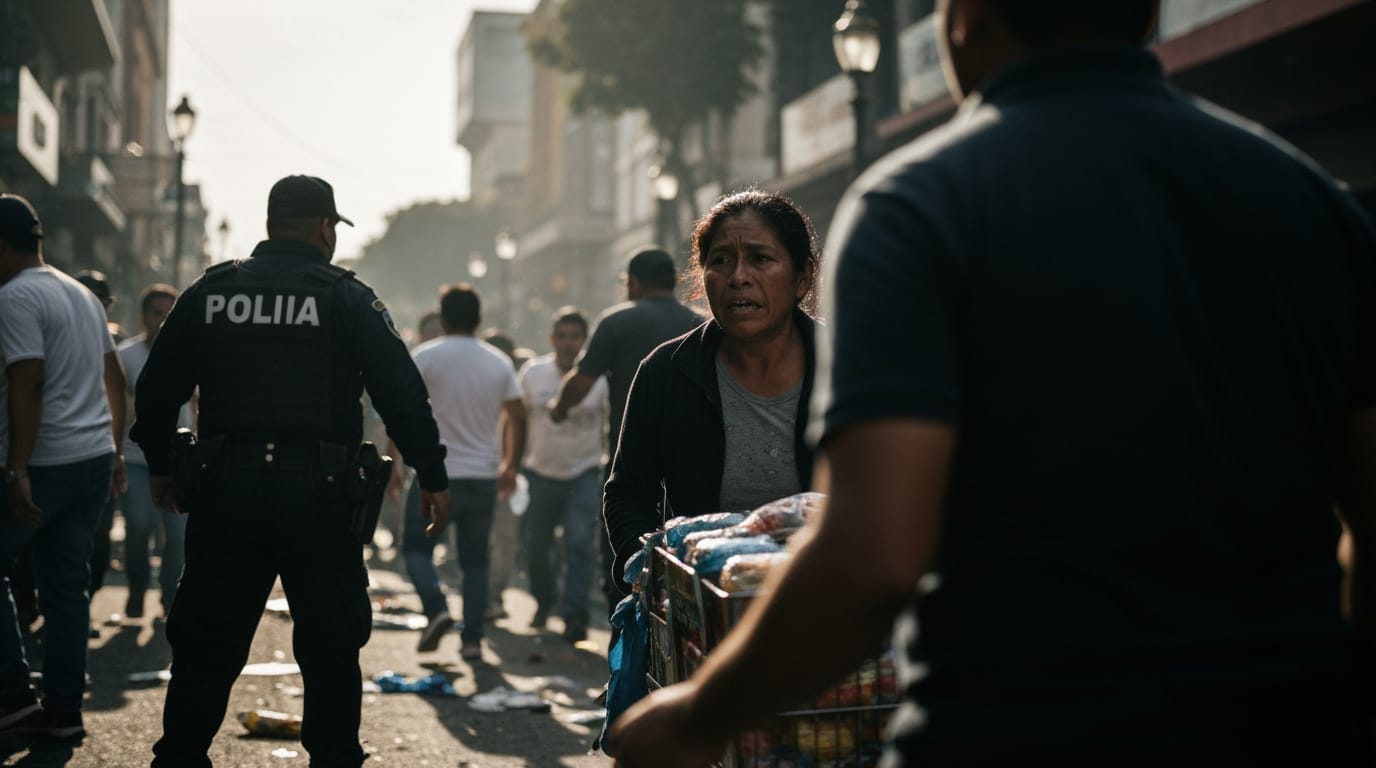
Reports detailed extensive road blockades using burning vehicles, a tactic known as "narcobloqueos," alongside arson attacks targeting businesses and infrastructure. The unrest led to significant travel disruptions, including flight cancellations and delays at airports in Puerto Vallarta and Guadalajara due to security concerns and blocked access roads. The scale of the violence resulted in more than 70 fatalities, including at least 25 National Guard members, and prompted Jalisco Governor Pablo Lemus Navarro to declare a "code red" alert, suspending public transportation and closing schools in affected areas. Several domestic league football matches were also postponed or abandoned, underscoring the immediate impact on sporting events.
Mexico's Pivotal Role in the World Cup
Mexico is slated to co-host the 2026 FIFA World Cup alongside the United States and Canada, with 13 matches scheduled across three cities: Mexico City, Monterrey, and Guadalajara. The iconic Estadio Azteca in Mexico City is set to host the opening match, while Guadalajara's Estadio Akron is designated for several group-stage games. This trilateral hosting arrangement marks a historic first for the tournament, which will expand to include 48 teams and span multiple venues across North America.
The country's role carries both symbolic and economic weight, building on its history of successfully hosting the World Cup in 1970 and 1986. However, the recent incidents have directly impacted preparations, raising profound questions about the country's ability to ensure a stable and secure environment for the influx of millions of visitors, athletes, and officials expected for the event.
Security Responses and Strategic Planning
In the wake of the violence, Mexican authorities have reiterated their commitment to safeguarding the World Cup. Officials assert that no games are under threat, highlighting extensive security plans already in place. These measures include the deployment of the army and National Guard, enhanced surveillance, and ongoing coordination with international partners. President Claudia Sheinbaum has urged calm, emphasizing the government's efforts to implement robust security protocols.
Local initiatives also reflect a proactive approach to security. The city of Guadalupe, part of the Monterrey metropolitan area, has invested approximately 2.5 million pesos (around €120,000) in four robot dog units. These advanced robotic units are designed to assist police forces during disturbances, entering high-risk areas to provide live video feeds and reduce officer exposure to danger. Jalisco state officials previously outlined plans to install thousands of security cameras, acquire new law enforcement vehicles, and utilize technology to prevent drones in restricted zones. FIFA, for its part, has confirmed close monitoring of the situation in Jalisco and continuous communication with Mexican authorities, expressing confidence in the host nation's preparations. FIFA's Mexico office has collaborated with the federal government on security matters for three years, underscoring the national commitment to the tournament.
Broader Implications and International Scrutiny
The recent events have not only triggered domestic concern but also drawn significant international attention and led to official warnings. The United States and Canadian governments issued security alerts, advising their citizens in affected regions to shelter in place and reconsider non-essential travel. Major airlines responded by canceling or delaying flights to areas like Jalisco, underscoring the severity of the situation.
Security analysts suggest that the killing of a cartel leader often precedes a period of elevated violence, typically lasting between two and twelve weeks, as criminal organizations demonstrate their strength rather than seek territorial control. While experts generally assess the risk of direct attacks on World Cup stadium infrastructure as "very unlikely," the broader instability and the potential for a new phase of heightened tension remain concerns. There is an understanding among experts that cartels may avoid disrupting the World Cup itself due to the significant economic benefits tourism brings. However, indirect risks such as hidden crimes, human trafficking, and extortion targeting local businesses linked to the event persist. The expansive geographical spread of the tournament across three nations also presents unique logistical and security challenges, demanding extensive interagency coordination and intelligence sharing across distinct legal and security infrastructures. Concerns also extend to cross-border security, visa policies, and the potential for cyber threats. Unconfirmed reports also suggest that U.S. pressure may have influenced the timing of the operation against El Mencho before the tournament.
Looking Ahead: Balancing Assurance and Vigilance
As the countdown to the 2026 World Cup continues, Mexico faces the intricate challenge of reassuring the international community while proactively managing its internal security landscape. While FIFA and Mexican authorities maintain a posture of confidence, acknowledging the extensive planning and resources dedicated to safeguarding the event, the recent clashes serve as a stark reminder of the persistent security complexities in some regions. The success of the tournament will hinge on the effective implementation of layered security strategies, transparent communication, and continuous adaptation to evolving threats. For fans and participants, a balance of enthusiasm and vigilance will be paramount, with adherence to official advisories remaining crucial for a safe and memorable World Cup experience.