escalating Tensions Threaten Wider Regional Conflict as Hezbollah-Israel Clashes Intensify
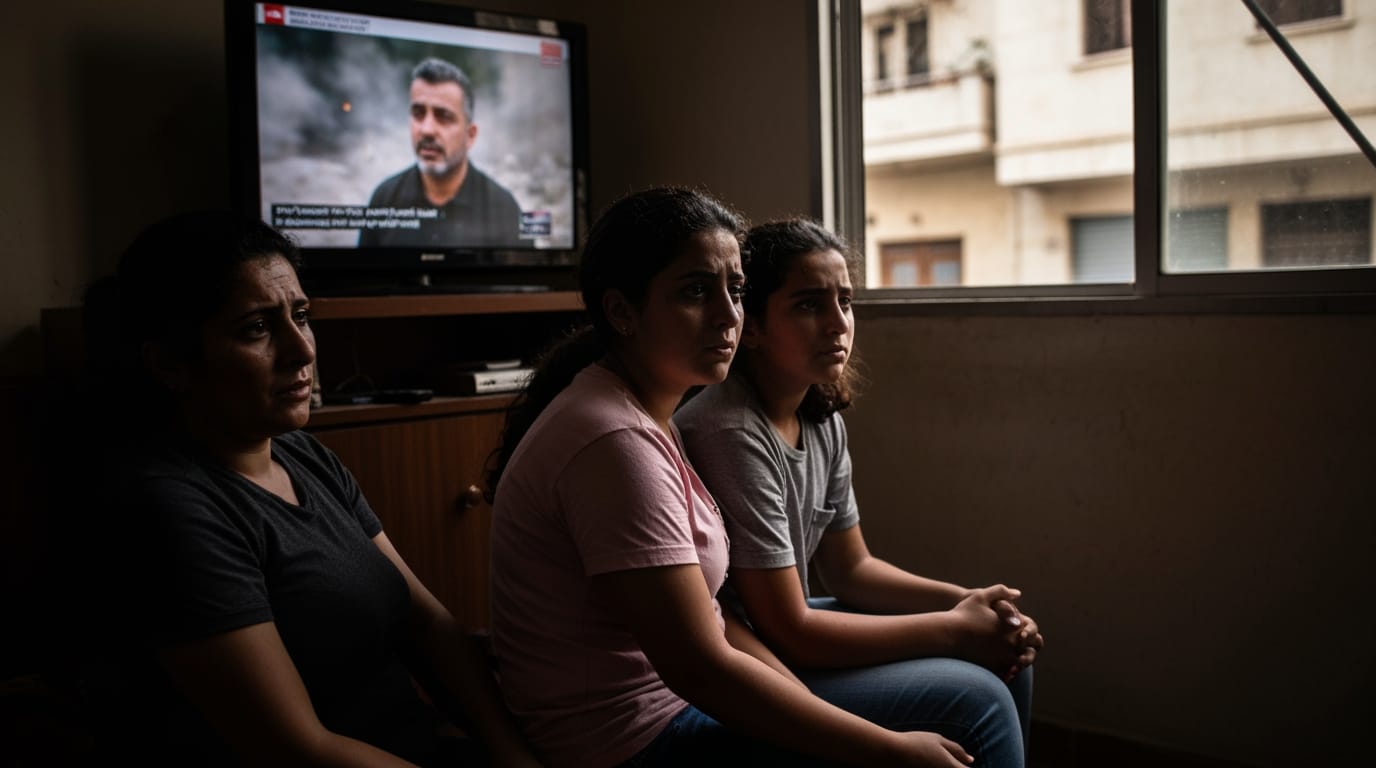
Beirut, Lebanon – The volatile border between Lebanon and Israel has once again erupted into a theater of war, plunging an already fragile region deeper into crisis and prompting fears of a broader conflagration. Following a period of uneasy calm, the past month has witnessed a dramatic escalation of cross-border attacks between the Iran-backed Hezbollah militant group and the Israeli military, leading to significant casualties, mass displacement, and immense economic devastation. As both sides trade increasingly potent strikes, the specter of a full-scale regional conflict looms large, challenging international mediation efforts and exacting a heavy toll on civilian populations.
The current surge in hostilities, which intensified dramatically in early March 2026, marks a perilous turning point in a conflict that initially flared in October 2023. Hezbollah launched missile attacks against Israeli positions on October 8, 2023, a day after Hamas's attack on Israel, stating its actions were in solidarity with Palestinians. This led to a prolonged exchange of bombardments and significant displacement on both sides of the border. While a ceasefire agreement was reached on November 26, 2024, it proved short-lived, with Israel continuing strikes into Lebanese territory. The recent dramatic escalation was triggered on March 2, 2026, following a U.S.-Israeli attack on Iran and the assassination of Iran's Supreme Leader, Ali Khamenei, to which Hezbollah responded with renewed attacks against Israel.
A New Phase of Intense Hostilities
The first week of March 2026 has witnessed a rapid acceleration of military operations. Israel deployed additional troops into southern Lebanon and issued evacuation orders for residents in more than 80 villages, signaling a potential expansion of its ground presence. Israeli airstrikes across Lebanon have resulted in considerable loss of life, with one series of attacks killing 52 people and wounding over 150. Hezbollah, in turn, declared its readiness for an "open war" and has significantly ramped up its offensive capabilities. The group has launched numerous rocket and drone attacks, including a long-range Fateh-110 missile towards the Tel Aviv region on March 9, which reportedly struck a kindergarten in Ramla. Since March 2, Hezbollah has carried out 269 attack waves toward Israeli territory, primarily using rockets and missiles, alongside drones and anti-tank missiles. These exchanges have had immediate and devastating consequences for communities on both sides of the border, intensifying the humanitarian crisis.
Civilian Displacement and Mounting Humanitarian Crisis
The human cost of this renewed escalation is profound. The recent fighting alone has forced nearly 700,000 people to flee their homes in Lebanon, according to UNICEF, adding to the tens of thousands already displaced by earlier hostilities. Many Lebanese citizens, already reeling from years of economic hardship and political instability, are now bracing for an uncertain future, contemplating further displacement and the destruction of their livelihoods. The Lebanese Ministry of Public Health reported that since March 2, 217 people have been killed and 798 injured in Lebanon. Israeli communities near the border have also faced continuous threats, with over 96,000 Israelis displaced by September 2024 due to Hezbollah's attacks.
Public infrastructure is under immense strain, and essential services are struggling to cope. Before the latest surge in violence, an estimated 4.1 million people in Lebanon required humanitarian assistance. Israeli operations in late 2024 reportedly damaged 67 hospitals and forced the closure of over 150 health facilities, severely impacting access to healthcare. The sweeping evacuation orders issued by Israel in early March 2026 have been criticized for sowing panic and terror, and for their potential to forcibly displace civilians, a violation of international humanitarian law.
Lebanon's Crippled Economy Faces Further Ruin
The escalating conflict is exacerbating Lebanon's already dire economic situation. The country has been grappling with one of the worst economic crises in modern history, with its currency losing over 98% of its value between 2023 and early 2024, leading to hyperinflation and widespread poverty. The ongoing hostilities have compounded these challenges, inflicting staggering financial losses. Lebanon's economy minister estimated the conflict had already cost the country $20 billion by October 2024, a figure he warned could "triple or quadruple" if Israel expanded its strikes to include major infrastructure like airports and roads. This estimate includes both direct and indirect costs, stemming from the near-total shutdown of tourism and agriculture, damage to buildings, and a surge in unemployment.
The World Bank provided a conservative estimate of over $5 billion in economic losses and an additional $3.4 billion in physical damages between October 2023 and October 2024. Another report indicates that total damages and economic losses could reach $14 billion by late 2024, with housing bearing the brunt of approximately $5 billion in damages. These figures represent a significant blow to a country whose GDP was around $18 billion in 2023. The economic fallout is projected to further contract Lebanon's real GDP growth, with some analyses suggesting a reduction of at least 6.6% for 2024. An immediate ceasefire would still necessitate at least three to five years for recovery, highlighting the long-term devastation facing Lebanon.
Regional Implications and International Diplomacy
The current escalation has significant regional implications, drawing in external actors and raising concerns among international observers. Hezbollah's actions are often viewed through the lens of its ties to Iran, with the group serving as a key component of Iran's regional "axis of resistance." This dynamic adds a layer of complexity to the conflict, increasing the potential for a wider regional conflagration involving Iran.
International bodies and individual states have intensified diplomatic efforts to de-escalate the situation. The United States and France have been actively involved in mediation, aiming for a sustainable security arrangement in southern Lebanon. The international community, including the European Union, consistently calls for an immediate ceasefire and the full implementation of UN Security Council Resolution 1701, which mandates the withdrawal of Hezbollah forces north of the Litani River. However, past initiatives have repeatedly failed to enforce these provisions, underscoring the challenges of achieving lasting stability. Lebanon's government has signaled its openness to negotiations with Israel, provided that Israel halts all attacks and violations. Meanwhile, Israel's stated objective remains the degradation of Hezbollah's capabilities to ensure the safe return of its citizens to northern areas.
Conclusion: A Precarious Path Forward
The escalating conflict between Hezbollah and Israel presents a deeply precarious situation, with both sides demonstrating a readiness for increased confrontation. The current trajectory risks dragging the entire region into a devastating and unpredictable war, the consequences of which would extend far beyond the immediate combatants. The humanitarian suffering is immense, the economic impact catastrophic, and the potential for wider regional instability undeniable. Without a sustained and effective diplomatic breakthrough, supported by robust international pressure and enforcement mechanisms, the cycle of violence threatens to continue, deepening the crisis for millions of civilians and further destabilizing an already turbulent Middle East.


