Escalating Tensions: Trump Issues Warnings Amidst Deadly Iranian Protests
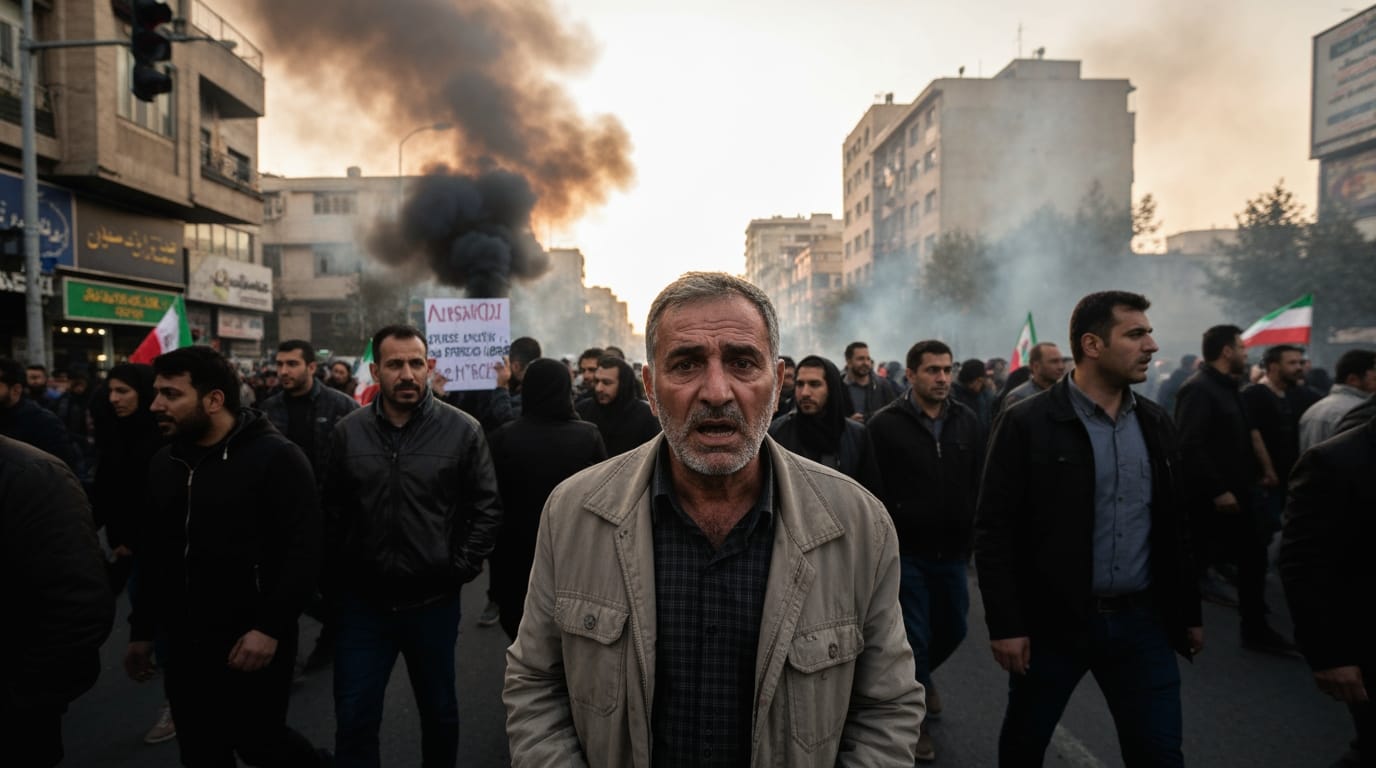
A wave of nationwide protests in Iran, triggered by a sudden and dramatic increase in fuel prices, was met with a brutal government crackdown in late 2019, leading to hundreds of deaths and widespread arrests. As reports of the escalating casualties emerged, then-U.S. President Donald Trump issued stern warnings to the Iranian regime, condemning the violence and expressing support for the demonstrators, further exacerbating the already fraught relations between Tehran and Washington. The volatile period underscored the deep economic grievances festering within Iran, the regime's uncompromising stance on dissent, and the international community's struggle to respond to a rapidly unfolding humanitarian crisis under the shadow of geopolitical brinkmanship.
Fuel Hikes Ignite Nationwide Fury
The unrest began on November 15, 2019, following an unexpected government announcement to raise gasoline prices by 50% to as much as 200%. This decision, made by President Hassan Rouhani's administration, was aimed at cutting costly subsidies and funding social welfare programs, but it immediately ignited public outrage across a country already grappling with severe economic hardship, largely exacerbated by renewed U.S. sanctions. What started as peaceful gatherings quickly escalated, with demonstrations spreading rapidly to 29 provinces, encompassing 104 cities and 719 locations throughout Iran within hours. The rapid proliferation of protests, fueled by a deep-seated frustration over declining living standards, inflation, and perceived government corruption, transformed localized grievances into a broad anti-government movement. Some protesters chanted slogans directly targeting the country's leadership, including Supreme Leader Ali Khamenei, reflecting a wider disillusionment with the Islamic Republic's governance.
A Bloody Crackdown and Digital Darkness
The Iranian authorities responded to the burgeoning unrest with overwhelming force, initiating a violent crackdown that drew sharp international condemnation. Security forces, including police, the Revolutionary Guards, and the Basij militia, were deployed to quell the demonstrations. Eyewitnesses and video evidence, later corroborated by human rights organizations, indicated that security forces frequently used live ammunition against protesters, with reports of snipers firing into crowds from rooftops and even a helicopter. The scale of the violence quickly led to a tragic death toll. Amnesty International initially reported at least 106 deaths by November 20, 2019, a figure they later updated to document 321 men, women, and children killed during the crackdown between November 15 and 19. Other reports suggested even higher figures, with Reuters citing 1,500 deaths and the U.S. Department of State estimating over 1,000 killed.
Further obscuring the extent of the repression, Iranian authorities implemented a near-total internet shutdown across the country starting November 16, 2019. This unprecedented blackout, which effectively isolated Iran from the global digital landscape, was widely criticized as an attempt to hide the atrocities committed against demonstrators and prevent the dissemination of information and images of the crackdown. The shutdown made it exceedingly difficult for activists and international observers to document the casualties and mass arrests, which reportedly numbered in the thousands. The Center for Human Rights in Iran (CHRI) reported estimates surpassing 4,000 arrests, raising concerns about due process for detainees who were often smeared as "rioters" and "saboteurs" by state media.
Washington's Stern Warning to Tehran
Against this backdrop of escalating violence and mounting casualties, then-U.S. President Donald Trump issued a series of condemnations and warnings to the Iranian regime. The American stance was a stark contrast to previous administrations, with Trump openly voicing support for the demonstrators and casting their anger as evidence of the regime's corruption and misrule. On December 3, 2019, during a NATO summit in London, President Trump publicly claimed that Iranian authorities were "killing perhaps thousands and thousands of people" amid the unrest, directly acknowledging the severe human cost of the crackdown. This statement underscored Washington's growing concern over the regime's actions.
The U.S. administration had already adopted a "maximum pressure" campaign against Iran, withdrawing from the Joint Comprehensive Plan of Action (JCPOA) and imposing crippling sanctions that targeted Iran's financial, oil, and shipping sectors. This economic pressure was a key factor contributing to the worsening conditions that sparked the protests. As the crackdown intensified, Trump's rhetoric became more pointed, aligning with a broader U.S. policy to isolate Iran and support dissent within its borders. Later, particularly in the context of renewed protests in early 2020 following the assassination of Qasem Soleimani and the downing of a Ukrainian airliner, Trump would issue even more direct threats, warning that if Iran continued to kill peaceful protesters, the U.S. would "come to their rescue" and was "locked and loaded and ready to go." While these specific, highly aggressive warnings often came slightly after the initial November 2019 peak, they encapsulated the heightened U.S. posture and the administration's readiness to intervene, at least rhetorically, in response to the regime's violence.
Geopolitical Fallout and Lingering Tensions
The deadly crackdown and President Trump's warnings further complicated the already tense U.S.-Iran relationship. Iranian officials vehemently rejected what they called foreign interference, with Supreme Leader Ali Khamenei blaming unnamed "enemies" for exploiting the unrest. Iran's Foreign Ministry condemned Trump's remarks as "interventionist" and warned that any U.S. intervention would destabilize the entire region. Tehran consistently frames such external support for protesters as a narrative of foreign agitation, leveraging historical events like the 1953 CIA-backed coup to bolster its claims.
Internationally, there was widespread concern over the human rights situation in Iran. The United Nations expressed alarm over reports of live ammunition being used against demonstrators and urged peaceful protests. However, concrete international action beyond condemnations remained limited, highlighting the delicate balance between supporting human rights and avoiding exacerbating regional instability. The events of late 2019 and early 2020 ultimately served as a stark reminder of the Iranian regime's willingness to employ brutal force to maintain control and the profound challenges faced by its populace.
A Cycle of Repression and Resistance
The November 2019 protests, and the subsequent government response, etched another grim chapter into Iran's modern history, revealing the deep chasms between the ruling establishment and a significant portion of its citizens. The hundreds of lives lost, the thousands arrested, and the deliberate information blackout underscored the regime's uncompromising approach to dissent. President Trump's strong rhetoric, while offering a symbolic lifeline to protesters, also intensified the long-standing geopolitical standoff between Washington and Tehran. The period highlighted an ongoing cycle of public frustration, state repression, and international concern, with the fundamental grievances of the Iranian people remaining largely unaddressed, leaving the country vulnerable to future eruptions of unrest and continued external pressures.


