Escalation Feared as US Strikes Deepen into Southern Iran, Targeting Critical Infrastructure
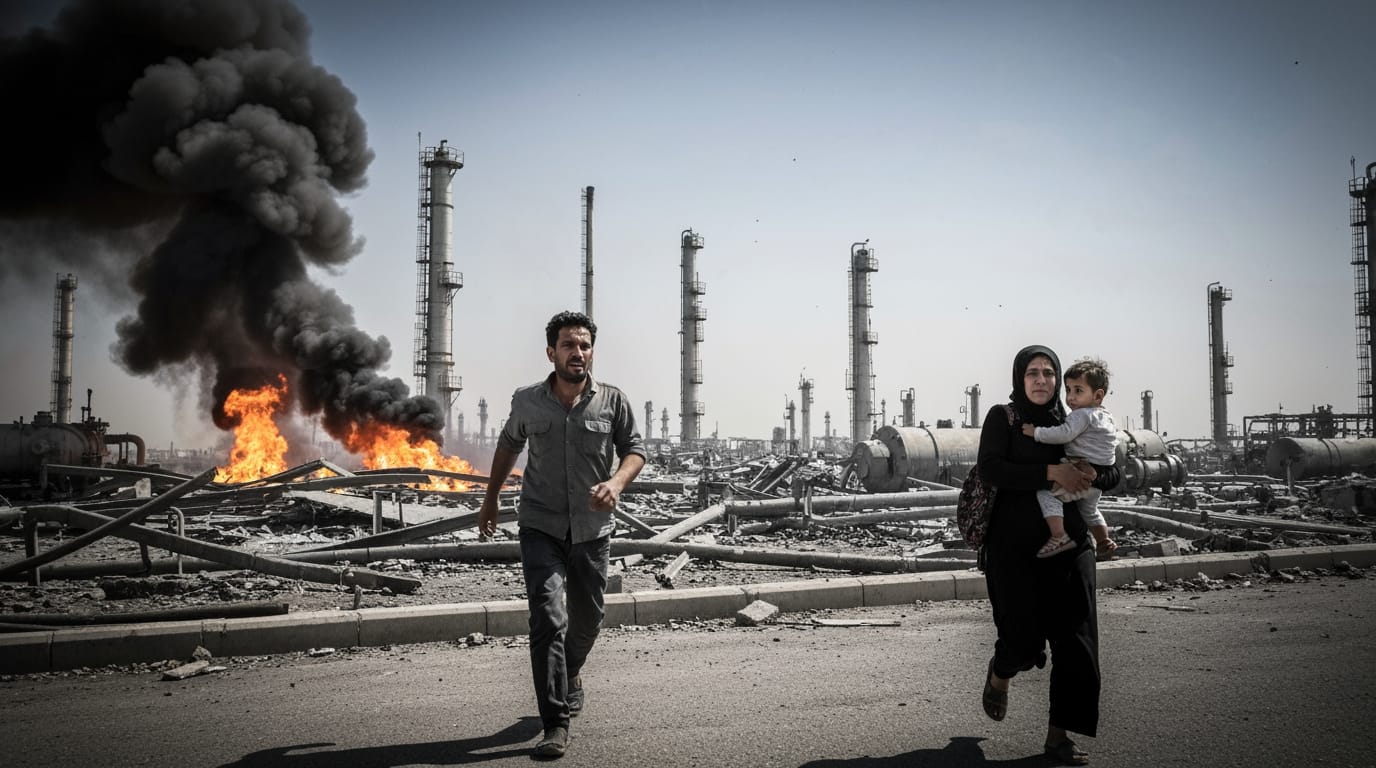
The simmering conflict between the United States and Iran has entered a perilous new phase, with American forces significantly expanding their aerial campaign to target critical infrastructure deep within southern Iran. Over the past week, U.S. military operations have intensified, marking the twelfth consecutive night of strikes as of July 23, 2026, and significantly raising concerns about a widening regional war. These sustained attacks, which include bridges, energy facilities, and vital port infrastructure, signal a shift from retaliatory measures to a strategic effort to dismantle Iran's logistical and military capabilities, threatening to ignite an even broader conflagration across the Middle East.
Sustained Strikes Hit Key Iranian Assets
The latest wave of U.S. military actions has focused heavily on Iran's southern provinces, particularly Hormozgan and Sistan-Baluchistan, which are crucial for the country's maritime access and energy exports. Reports from Iranian state media confirm strikes against bridges, communications infrastructure, and maritime surveillance towers. Key locations such as the port city of Bandar Abbas, a vital commercial gateway on the Strait of Hormuz, and facilities near Ahvaz and Jask, have sustained damage. Attacks have also reportedly targeted power facilities and desalination plants in coastal areas, leading to power outages and water shortages for thousands of civilians.
The U.S. Central Command (CENTCOM) affirmed its forces completed their latest major wave of strikes, confirming targets included "maritime capabilities, missile and drone storage facilities, coastal surveillance sites, and air defense assets." These targets are said to be integral to Iran's ability to interfere with international shipping and launch attacks against commercial vessels. President Donald Trump had previously warned that the U.S. would target bridges and power plants if Tehran failed to engage in negotiations, underscoring the strategic intent behind the escalating strikes. The expansion of targets beyond purely military installations into dual-use infrastructure, such as railways, airports, and power facilities, suggests a more comprehensive approach to degrading Iran's operational capacity.
A Conflict's Troubled History and Rapid Escalation
The current escalation is rooted in a prolonged and fraught history of tensions between Washington and Tehran, dramatically intensifying since February 2026. The broader "2026 Iran war" commenced with joint U.S. and Israeli airstrikes on February 28, 2026, which targeted Iranian officials, military commanders, and assets, including the assassination of Supreme Leader Ali Khamenei. These initial strikes triggered immediate and widespread retaliatory missile and drone attacks by Iran against U.S. embassies, military installations, and oil infrastructure across the Middle East, including commercial vessels in the Strait of Hormuz.
A brief period of de-escalation appeared possible in June 2026, with the announcement of a memorandum of understanding aimed at ending the conflict. However, this fragile agreement collapsed in July after Iran resumed attacks on commercial vessels in the Strait of Hormuz, which it sought to control and impose fees upon. This renewed aggression in the critical shipping lane, where commercial traffic has recently fallen to a three-week low, served as a catalyst for the current, broadened U.S. offensive. The systematic nature of the latest strikes, moving beyond coastal areas and deeper inland, indicates Washington's campaign is evolving from mere retaliation to a more assertive strategy aimed at dismantling the core infrastructure supporting Iran's military operations.
Iran's Vow of "Eye for an Eye" Retaliation
Tehran has vehemently condemned the U.S. strikes, characterizing them as a violation of international law and a direct act of aggression. Iranian Foreign Minister Abbas Araghchi reiterated Iran's "eye for an eye" defense doctrine, warning of a powerful and decisive response to any aggression, particularly against its infrastructure. Iran's state broadcaster further quoted military officials stating that U.S. threats "will have no result other than the expansion of the war."
True to its warnings, Iran has already launched retaliatory attacks, hitting civilian targets in neighboring Gulf countries. These include multiple strikes against power and desalination plants in Kuwait, impacting essential services, and targeting Saudi Arabia and Aqaba in southern Jordan. Jordan's military reported intercepting Iranian missiles and drones aimed at its territory on Thursday morning. These actions underscore the regional expansion of the conflict, with both sides demonstrating a willingness to escalate beyond previous thresholds. The deliberate targeting of civilian infrastructure by both nations marks a concerning shift, raising alarm among international humanitarian organizations.
Regional Instability and International Appeals for De-escalation
The escalating hostilities have sent ripples of concern across the globe, with international bodies and numerous countries appealing for an immediate de-escalation. United Nations Secretary-General António Guterres has expressed profound concern over the "continuing and expanding military escalation," calling for restraint, dialogue, and intensified diplomatic efforts. The UN has specifically condemned attacks on "vital infrastructure," including hospitals and water supplies, reminding all parties of their obligations under international humanitarian law to protect civilians.
The strategic importance of the Strait of Hormuz, through which a significant portion of the world's oil and liquefied natural gas passes, amplifies the global stakes. Continued disruptions to shipping in this critical chokepoint carry severe implications for global energy markets and economic stability. While some U.S. allies have voiced support for the American actions, others have expressed apprehension, emphasizing the need for a peaceful resolution. The prospect of a prolonged and broader conflict in the Middle East has spurred calls from various nations for a diplomatic off-ramp, recognizing that there is no military solution to the deeply entrenched issues.
An Uncertain Path Forward
As U.S. strikes continue to degrade Iranian infrastructure and Tehran maintains its retaliatory stance, the Middle East teeters on the brink of wider conflict. The targeting of infrastructure, often serving both civilian and military purposes, raises questions about the long-term impact on the Iranian populace and the legality under international law. While U.S. officials assert the strikes are designed to protect maritime freedom and deter aggression, Iranian officials perceive them as an existential threat, solidifying their resolve for confrontation.
The deliberate escalation by both sides, particularly the targeting of essential services, introduces dangerous unpredictability into an already volatile region. The failure of previous diplomatic efforts, including the June 2026 memorandum of understanding, underscores the immense challenges in finding a peaceful resolution. With calls for negotiation currently overshadowed by military action, the international community watches anxiously as the U.S. and Iran navigate an increasingly perilous path, the consequences of which could resonate far beyond their borders.


