Escalation in Middle East as US Strikes Target Iran Amid Critical Shipping Threats
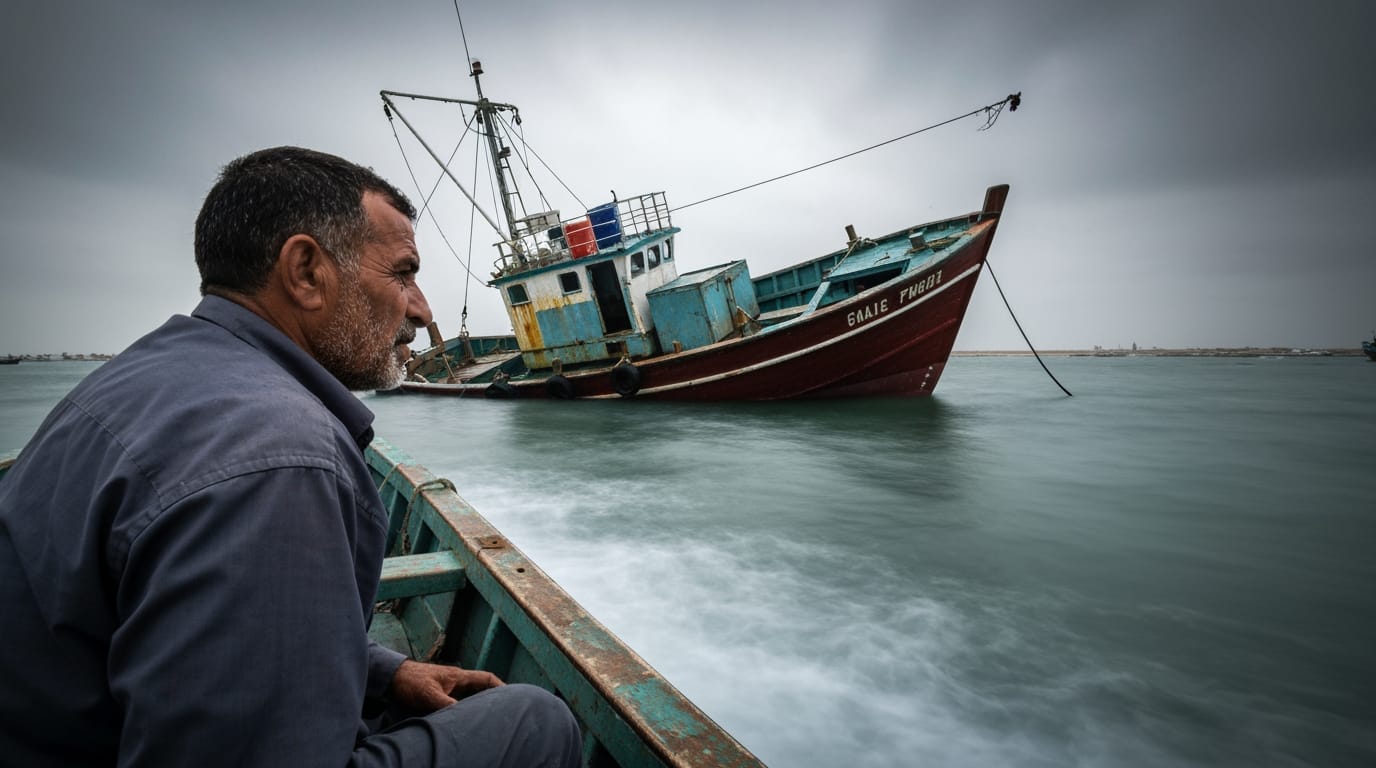
WASHINGTON D.C. – The United States military is engaged in an intensifying campaign of strikes against Iran, marking the thirteenth consecutive night of operations as of Thursday, July 24, 2026. The renewed offensive comes in direct response to persistent threats and attacks on vital global shipping lanes, primarily the Strait of Hormuz and the Red Sea, which Washington attributes to Iran and its proxies. The escalating conflict has sent international oil prices soaring, with Brent crude briefly topping $100 a barrel, underscoring the severe economic repercussions of regional instability.
The current phase of hostilities represents a significant intensification of what several sources are now terming the "Iran war," which reportedly began with joint US-Israeli military strikes against Iran on February 28, 2026. These recent US actions are designed to "further degrade Iran's ability to threaten civilian mariners and commercial vessels transiting regional waters" and to "regain control over the Strait of Hormuz and restore the flow of international shipping," according to statements from U.S. Central Command (CENTCOM).
Maritime Chokepoints Under Siege
The immediate catalyst for the latest wave of US strikes stems from a series of aggressive actions against commercial shipping. Most notably, Yemen's Iran-backed Houthi rebels claimed responsibility for attacking two Saudi oil tankers in the Red Sea, a move that threatens to expand the conflict into new fronts. The Houthis have also issued threats to disrupt other critical trade routes, exacerbating concerns for global commerce already reeling from Iran's prior closure of the Strait of Hormuz.
The Strait of Hormuz, a narrow waterway through which a staggering one-fifth of the world's oil and gas transited in peacetime, has been effectively closed by Iran since the outset of the conflict in late February 2026. This closure followed retaliatory actions by Iran against US-Israeli strikes, leading to Iranian warnings, boarding of merchant ships, and the laying of sea mines. The disruption has brought shipping traffic to a near-standstill in the vital passage, leaving thousands of seafarers stranded and prompting urgent calls from international bodies for de-escalation. CENTCOM reported that its forces have redirected approximately a dozen commercial vessels and disabled another since resuming a naval blockade of Iranian ports.
Iran's Role and Houthi Proxy Actions
US intelligence and military officials have consistently asserted Iran's direct involvement in orchestrating and facilitating attacks on maritime targets. Iran is deemed "very directly involved" in Houthi operations, providing crucial weapons, funding, training, and tactical intelligence. While Iran often delegates operational decision-making to the Houthis, the strategic support enables the rebel group to effectively track and strike commercial vessels across expansive waterways. The Houthi campaign initially began as a response to the Israel-Hamas war, with rebels targeting ships they perceived as linked to Israel, though their targets have increasingly broadened.
In addition to supporting the Houthis, Iran has directly engaged in attacks on commercial vessels in the Strait of Hormuz. CENTCOM cited Iranian aggression against three commercial vessels in the strait as a direct impetus for some of the recent US military responses. Iran's counter-responses to the ongoing US strikes have reportedly included targeting energy infrastructure and desalination plants in neighboring Gulf countries, further widening the scope of regional engagement.
A Hardline Stance from Washington
The Trump administration has adopted an uncompromising posture in response to the maritime threats. President Donald Trump has issued stern warnings, threatening "major military punishment" against both the Houthis and Iran if attacks on shipping persist. He explicitly stated that the US would hold Iran accountable for Houthi actions, considering them a "Surrogate and/or Proxy of Iran." Furthermore, President Trump declared a policy of destroying "ONE BRIDGE OR POWER PLANT" for every Iranian attack on a ship in the Strait of Hormuz, intensifying the rhetoric surrounding civilian infrastructure.
The escalating conflict has necessitated a significant US military buildup in the Middle East, described as the largest since the 2003 invasion of Iraq. This deployment, which began in late January 2026, includes air, naval, and missile defense assets, with multiple aircraft carrier strike groups operating in the region. The financial cost of the conflict is also mounting, with Defense Secretary Pete Hegseth informing lawmakers that the war with Iran has already reached an estimated $37.5 billion.
International Concerns and Economic Fallout
The global community has reacted with alarm to the escalating tensions and their profound economic implications. The International Maritime Organization (IMO) Council Member States, echoing concerns from UN Secretary-General António Guterres, have condemned Iran's actions and highlighted the severe impact on sea transport, particularly in the critical Strait of Hormuz. The disruption of these vital maritime chokepoints has led to significant shifts in global shipping routes, with many vessels opting for longer, more expensive detours around the Cape of Good Hope, further exacerbating supply chain pressures.
The surge in oil prices to over $100 a barrel reflects the precarious state of global energy markets, directly influenced by the instability in the Red Sea and the closure of the Strait of Hormuz. The economic ripple effects extend beyond oil, threatening global trade and the stability of supply chains worldwide. Diplomatic efforts to de-escalate the conflict have been complicated, with an earlier preliminary peace agreement collapsing and Iraqi Prime Minister Ali al-Zaidi traveling to Tehran to advocate for peace and dialogue.
An Uncertain Future
The ongoing exchange of strikes and threats between the United States and Iran has created a highly volatile environment across the Middle East. While US operations continue to target Iranian military capabilities and those of its proxies, Iran has vowed an "eye for an eye" response to any strikes on its infrastructure. The focus remains on securing freedom of navigation through internationally vital waterways, but the path forward is fraught with challenges, posing significant risks to regional stability and the global economy. The duration and ultimate outcome of this intensified conflict remain profoundly uncertain.