Escalation in the Gulf: U.S. Unleashes Fresh Strikes as Trump Vows Retaliation Against Iran
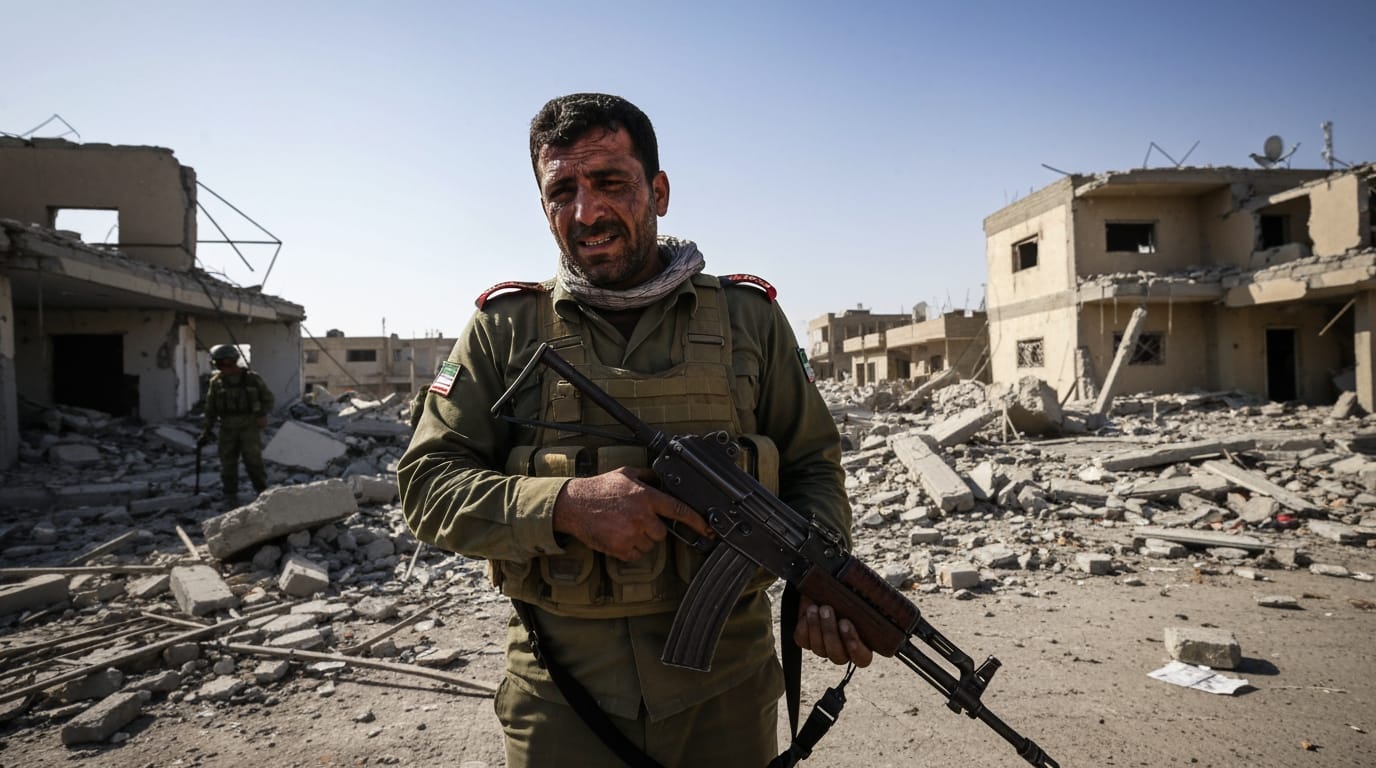
The United States has dramatically escalated its military operations against Iran, launching multiple consecutive nights of airstrikes across the region. These renewed attacks follow heightened tensions stemming from Iranian aggressions against commercial shipping in the Strait of Hormuz and recent casualties among U.S. service members. President Donald Trump has publicly vowed severe retaliation, signaling a resolute stance to deter further Iranian actions and protect American interests. The intensive U.S. strikes, coupled with Iran's counter-attacks on American allies, have plunged the volatile Middle East into a new phase of uncertainty, raising global concerns about a potential broader conflict.
U.S. Retaliation Targets Key Iranian Capabilities
The recent wave of U.S. airstrikes, now in its ninth consecutive night, has targeted critical Iranian military infrastructure. U.S. Central Command confirmed these operations are designed to degrade Iran's capacity to threaten freedom of navigation and launch further attacks. Specific targets have included military command centers, air defense systems, coastal surveillance facilities, and sites associated with missile and drone launches. The strikes have also aimed at maritime capabilities, striking locations such as Greater Tunb Island and reportedly hitting port cities like Bandar Abbas, Konarak, and Chabahar.
The immediate catalyst for this intensified U.S. response was a series of Iranian actions, including attacks on at least three commercial vessels in the Strait of Hormuz. Additionally, the escalation followed the tragic deaths of U.S. service members. Two American soldiers were killed in an Iranian drone and missile attack on a base in Jordan, and another service member died in Iraq during the controlled detonation of a downed Iranian drone. These losses prompted President Trump to declare the strikes were carried out "in honor of" the fallen personnel. U.S. Central Command stated that the operation was intended to "swiftly punish" the Islamic Revolutionary Guard Corps (IRGC) for its role in these incidents.
Trump's Unyielding Rhetoric and 'Hard' Stance
President Trump's public statements have underscored the gravity of the situation and the administration's determination. He vowed to "hit 'em hard" and warned that any further Iranian provocations would be met with swift and forceful action. The President indicated that if Iran did not engage in negotiations, the U.S. could escalate attacks to include Iranian power plants and bridges. He also stated that while he expected the current military flare-up to conclude quickly, "anything that happens is going to be over very quickly".
This strong rhetoric is consistent with the administration's broader policy toward Iran, which has sought to rein in what U.S. officials perceive as a dangerously emboldened Iranian regime. The U.S. has reimposed a naval blockade on Iranian ports, aiming to halt oil shipments and further pressure Tehran. This measure was implemented after an interim deal, intended to halt the fighting, collapsed, and shipping through the Strait of Hormuz – a critical global energy conduit – largely stalled.
Iran's Retaliation and Regional Ripple Effects
In response to the U.S. strikes, Iran has launched its own retaliatory attacks, further widening the scope of the conflict. Iranian forces have targeted American allies in the region, including Kuwait and Bahrain, the latter being home to the U.S. Navy's 5th Fleet. Reports indicate these counter-strikes hit electricity installations and water desalination plants in Kuwait, and also impacted Bahrain. Iran has also claimed to have damaged U.S. transport and command and control aircraft, though these claims lack independent confirmation. The Islamic Republic continues to assert its intention to control the Strait of Hormuz, threatening to impose fees for passage and target vessels deviating from authorized routes. Iranian state media has reported significant casualties, with at least 50 people killed and 517 wounded in the recent rounds of U.S. strikes. Since the conflict began in late February, Iran estimates approximately 3,000 Iranian casualties, including 168 children and 14 adults killed in a strike on a girls' school.
These actions reflect a long-standing pattern of escalation between the two nations. Tensions had notably peaked in early 2020 when the U.S. conducted a drone strike killing Iranian Quds Force commander Qasem Soleimani, an event that led to Iranian missile attacks on U.S. bases in Iraq. Iran responded to the Soleimani killing by threatening "hard revenge" and abandoning its commitments under the Joint Comprehensive Plan of Action (JCPOA). The current conflict represents a renewed and intensified phase of this enduring geopolitical struggle.
Regional Instability and International Appeals for De-escalation
The escalating hostilities have triggered significant regional and international concerns. Oil prices have surged, with Brent crude trading above $86 a barrel and U.S. gasoline prices climbing to an average of $4 a gallon. This economic impact underscores the global dependence on the Strait of Hormuz, through which a substantial portion of the world's oil and liquefied natural gas flows.
Mediators such as Pakistan, Qatar, and the United Nations have issued urgent calls for de-escalation, emphasizing the need for diplomatic solutions to avert a full-scale regional war. Iran's interior minister was reportedly expected to visit Pakistan, suggesting a potential avenue for diplomatic engagement. However, the collapse of a previously agreed interim deal, meant to halt the fighting, highlights the fragility of diplomatic efforts amidst ongoing military actions. The targeting of civilian infrastructure by both sides further exacerbates the humanitarian impact and increases the risks of widespread instability.
Conclusion: A Precarious Path Forward
The current cycle of U.S. airstrikes and Iranian retaliation marks a dangerous moment in the prolonged rivalry between Washington and Tehran. With President Trump asserting a firm stance and Iran demonstrating a willingness to respond forcefully, the situation remains highly volatile. The continued military engagements, the disruption of critical shipping lanes, and the mounting casualties underscore the immense stakes for regional stability and global energy markets. While diplomatic channels remain active, the immediate trajectory points towards continued confrontation, with the international community closely watching to see if de-escalation can prevail over the deepening cycle of violence.


