Escalation in the Middle East: The Iran Conflict's Profound Impact on the US Defense Sector
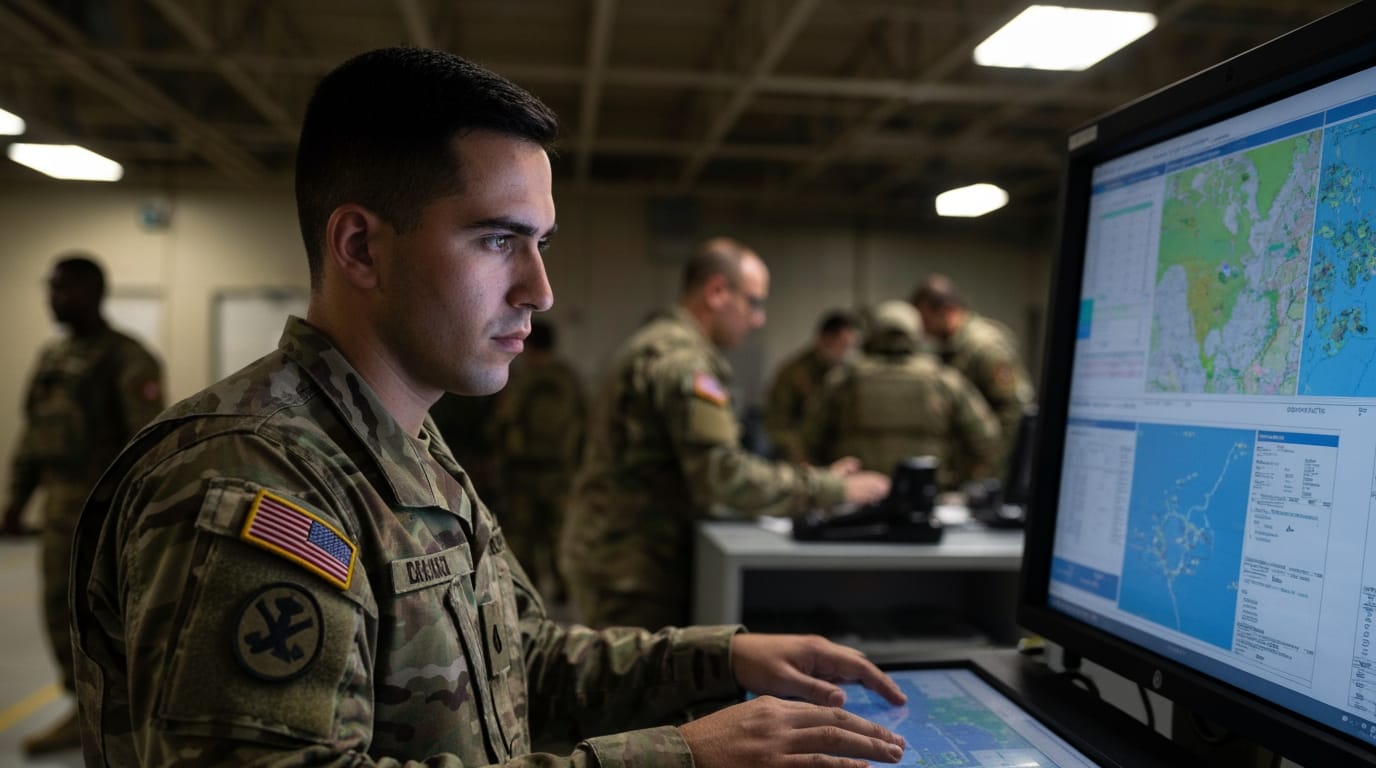
The outbreak of war between the United States, Israel, and Iran in late February 2026 has rapidly reshaped the global geopolitical landscape, placing unprecedented demands and spotlighting critical vulnerabilities within the U.S. defense sector. Dubbed "Operation Epic Fury" by the United States, the conflict has seen intensive air and missile strikes against Iranian military installations and infrastructure, met by retaliatory actions from Tehran, significantly elevating defense spending and accelerating the acquisition of advanced military technologies.
Surging Demand and Strategic Shifts in Warfare
The nascent conflict has immediately translated into a surge in demand for sophisticated military hardware and munitions. Initial estimates indicate the U.S. has expended approximately $11.3 billion in the first six days of the war, escalating to around $19 billion within two weeks. This rapid expenditure underscores the intensity of the operations and highlights the critical role of the defense industry in sustaining modern warfare.
The conflict has also showcased a pivotal shift in military strategy, moving towards what defense analysts term "attritable systems." These inexpensive, expendable, and mass-producible platforms, such as drones, are designed to overwhelm enemy defenses through saturation, creating a "digital smokescreen" that complicates targeting for sophisticated air-defense systems. While high-end platforms like B-2 Spirit bombers, F-22 and F-35 fighters, and Tomahawk cruise missiles remain central to long-range precision strikes, the integration of low-cost uncrewed combat attack systems (LUCAS) underscores a dual approach to maintaining operational superiority. Iran has also extensively utilized its own drone arsenal, including Shahed-131 and Shahed-136 families, and ballistic missiles, employing combined waves to saturate defensive systems.
The Strain on Supply Chains and Stockpiles
The rapid pace of operations has raised immediate concerns regarding the sustainability of U.S. munition stockpiles and the resilience of its defense industrial base. Critical systems like Patriot PAC-3 interceptors and THAAD (Terminal High Altitude Area Defense) interceptors have been consumed at high rates; the U.S. reportedly used 100 to 150 THAAD interceptors, roughly 15-20% of its entire stockpile, during previous engagements with Iran. Rebuilding these inventories is a multi-year endeavor, with current production rates for THAAD interceptors at around 96 per year, although plans are in place to increase this to approximately 400 annually over several years.
A significant vulnerability exposed is the reliance on foreign supply chains for essential components. High-end U.S. missile systems depend on rare earth permanent magnets for guidance and actuation, a market largely controlled by China, which refines 85-90% of global rare earth elements. This creates strategic chokepoints that cannot be swiftly resolved, posing a long-term challenge to the defense sector's ability to ramp up production independently.
Cyber Warfare: A New Front Line
Beyond kinetic engagements, the conflict with Iran has intensified the cyber warfare domain, presenting new challenges and opportunities for the defense sector. The U.S. and Israel have reportedly employed cyber operations to disrupt Iranian communications, influence public perception, and support kinetic strikes. Conversely, pro-Iranian hackers have actively targeted U.S. companies, critical infrastructure, and even election campaigns, demonstrating sophisticated capabilities in wiper attacks and denial-of-service operations.
The increased cyber activity necessitates significant investment in both offensive and defensive cyber capabilities within the U.S. defense sector. This includes developing advanced cybersecurity solutions, enhancing resilience for critical infrastructure, and expanding the capacity of U.S. Cyber Command to support ongoing military operations while defending against escalating threats.
Economic Impact and Naval Presence
The economic ramifications of the conflict are substantial, both for the U.S. defense industry and the global economy. Stock prices for major U.S. defense contractors such as Northrop Grumman, RTX (formerly Raytheon Technologies), and Lockheed Martin have seen an uptick since the war began. These companies are poised to benefit from increased government contracts for aircraft, missiles, and other defense systems. Lockheed Martin, the world's largest defense contractor, received over $65 billion in awards from the U.S. government last year, with significant allocations to naval and air force projects.
A critical area of focus has been the Strait of Hormuz, a vital chokepoint for global oil and gas transit. Iranian drone strikes and threats have effectively closed the strait, causing global economic shock and a surge in oil prices. In response, the U.S. has significantly increased its naval presence in the Middle East, deploying carrier strike groups, destroyers, and amphibious warships to protect commercial shipping and maintain freedom of navigation. This sustained naval deployment drives demand for maritime security technologies, anti-ship missile defense systems, and intelligence, surveillance, and reconnaissance (ISR) capabilities.
Conclusion: A Redefined Future for US Defense
The ongoing conflict with Iran represents a defining moment for the U.S. defense sector. It has unequivocally underscored the need for continuous investment in a diverse range of military capabilities, from high-precision, long-range strike platforms to adaptable, low-cost attritable systems. The accelerated consumption of munitions has exposed fragilities in the defense industrial base, particularly concerning supply chain dependencies and production capacities, prompting calls for greater domestic resilience and accelerated manufacturing. Simultaneously, the proliferation of cyber warfare as a critical operational domain mandates expanded investment in digital defense and offense. As the conflict continues, the interplay of traditional military might, technological innovation, and economic pressures will undoubtedly shape the future trajectory of the U.S. defense sector for years to come.