U.S. Temporarily Eases Russian Oil Sanctions Amid Middle East Crisis, Drawing Criticism and Bolstering Kremlin Coffers
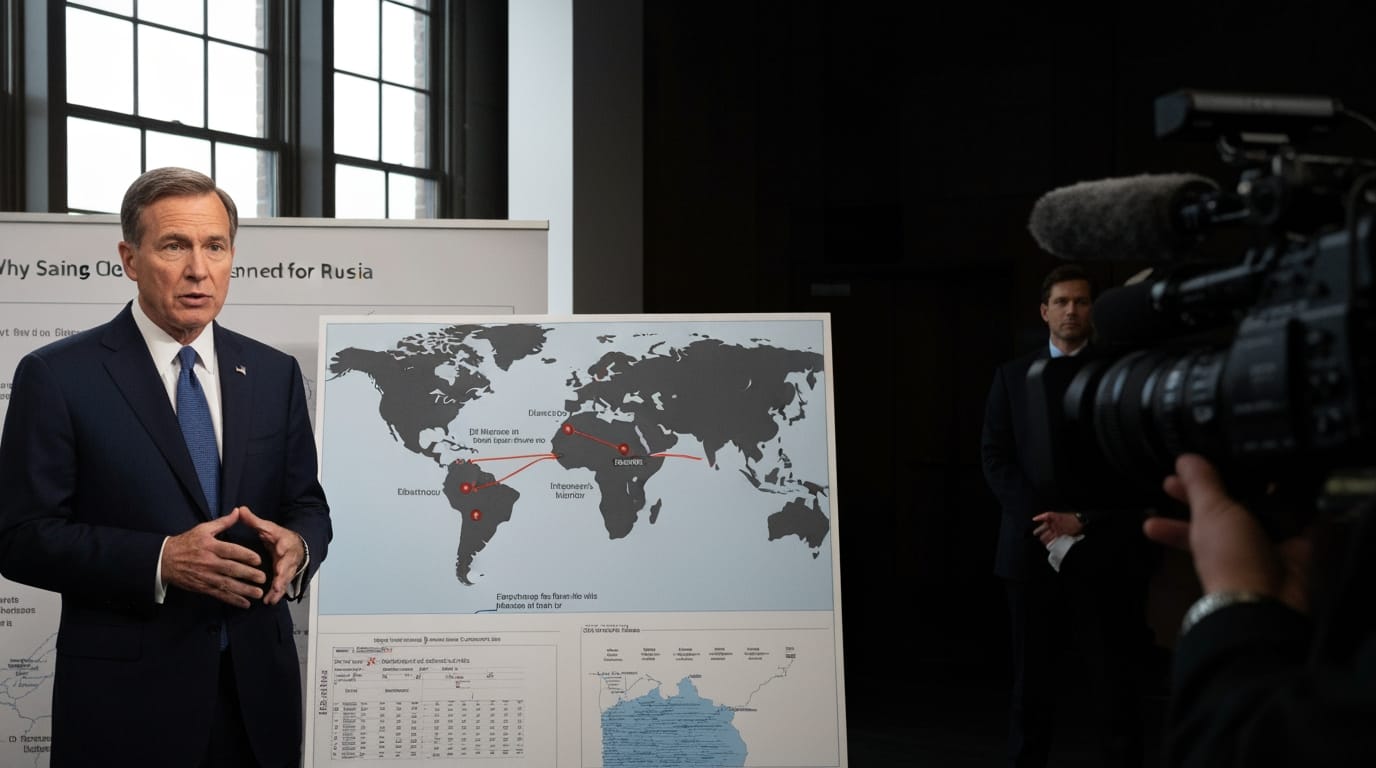
WASHINGTON D.C. – The United States Treasury Department has issued a temporary, 30-day waiver easing sanctions on Russian oil and petroleum products, a move intended to stabilize soaring global energy markets but one that critics warn could deliver a significant financial windfall to the Kremlin. The decision, announced March 13, 2026, comes as the Middle East grapples with unprecedented disruptions to oil supply routes, including the closure of the Strait of Hormuz, following recent U.S. and Israeli military operations against Iran and subsequent retaliatory attacks. While U.S. officials maintain the measure is narrowly tailored and will not substantially benefit Russia, Ukrainian representatives and some American lawmakers have expressed strong concern that it undermines efforts to curtail Moscow’s war funding.
Navigating a Volatile Market: The U.S. Rationale
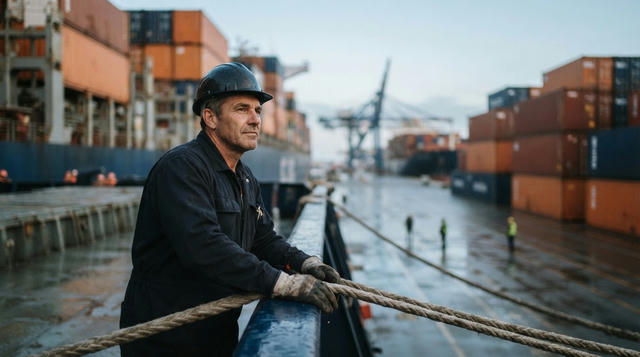
The U.S. Treasury Department’s Office of Foreign Assets Control (OFAC) issued a license authorizing the sale and delivery of Russian crude oil and petroleum products that were loaded onto vessels on or before March 12, 2026. This temporary authorization, effective until April 11, 2026, aims to address a backlog of an estimated 100 to 128 million barrels of Russian oil reportedly stranded at sea due to existing sanctions. Treasury Secretary Scott Bessent clarified the decision, stating its purpose is to "increase the global reach of existing supply" and prevent further price hikes, especially in light of the ongoing U.S.-Israel operation against Iran. Bessent emphasized that this "narrowly tailored, short-term measure" applies only to oil already in transit and is not expected to provide substantial financial benefits to the Russian government, which, he argued, primarily derives its energy revenue from taxes on extraction rather than the sale itself. This recent move expands upon a prior, more limited waiver granted to India just last week, allowing it to purchase Russian oil. The administration's objective, according to official statements, is to support the stability of global energy markets and protect consumers from further economic fallout caused by the Middle East conflict.
Russia's Fortuitous Timing: A Financial Boost Amidst Crisis
Despite the U.S. Treasury's assurances, the timing of this sanctions easing appears to be particularly advantageous for Russia, a nation already benefiting from the dramatic surge in global oil prices. Brent crude oil futures have recently topped $100 a barrel, a level not seen in years, driven by the severe disruptions emanating from the Middle East. Ukrainian officials have quickly highlighted the potential for significant gains for Moscow, with one representative for sanctions policy, Vladyslav Vlasuk, estimating Russia could reap up to $10 billion from the sale of this newly unfrozen oil. Analysts also indicated that Russia had already been securing approximately $150 million per day in increased oil sales revenue in the two weeks prior to the U.S. decision, spurred by the initial phase of the U.S.-Iran conflict.
The release of previously sanctioned oil allows Russia to offload vast quantities of crude that were effectively trapped, freeing up its tanker fleet—including its "dark fleet" used to circumvent restrictions—to undertake new deliveries. This surge in market liquidity for Russian crude comes at a moment of acute global demand, amplifying the impact of the higher prices. Even with ongoing discounts that Russia often offers to buyers, the elevated baseline price for crude oil globally means that Moscow's revenues are significantly bolstered. This infusion of capital provides crucial support to the Russian economy, which continues to finance its military operations in Ukraine despite years of Western sanctions.
Geopolitical Repercussions and International Condemnation
The U.S. decision has ignited a firestorm of criticism from various international and domestic actors, who argue it directly contravenes the broader strategy of isolating Russia and choking its war economy. Ukrainian President Volodymyr Zelensky warned that lifting sanctions would be a "serious blow" to Ukraine and damage global credibility. Congressional Democrats in the U.S. immediately rebuked the administration, with some accusing the President of "filling the Kremlin's war coffers" at a time when Russia is perceived to be aiding Iran in targeting American interests in the Middle East. European leaders have also expressed skepticism and concern regarding the U.S. move.
Sanctions campaigners, such as Alexander Kirk of Urgewald, characterized the waiver as "throwing Russia a financial lifeline just as Moscow is profiting from the geopolitical shock created by the Iran conflict," asserting that it undermines U.S. foreign policy and weakens European security. These critics contend that any revenue gained by Russia, regardless of the U.S. Treasury's technical classification, ultimately contributes to the Kremlin's ability to sustain its protracted war in Ukraine, which is now entering its fifth year.
Conversely, Kremlin spokesman Dmitry Peskov acknowledged that U.S. and Russian interests had "coincided" in the attempt to stabilize energy markets, while Russia's economic envoy, Kirill Dmitriev, suggested that the U.S. was acknowledging the market's inability to remain stable without Russian oil. Russian President Vladimir Putin himself hinted at Russia's strategic advantage, stating that by focusing on markets needing increased supplies, Russia could "gain a foothold". This suggests Russia views the temporary easing not just as a short-term financial gain but as a potential pathway to re-establish its influence and market share in the global energy landscape.
A World Upended: The Global Energy Crisis and Strategic Trade-offs
The decision to ease Russian oil sanctions cannot be divorced from the unprecedented upheaval in the global energy market. The ongoing conflict involving the U.S., Israel, and Iran has triggered a crisis described by the International Energy Agency (IEA) as potentially "the biggest supply disruption in the history of the oil market". Iran's closure of the Strait of Hormuz, a critical maritime chokepoint through which roughly 20% of the world's oil supply transits, has effectively paralyzed a significant portion of international shipping and sent oil prices spiraling.
In response to this escalating crisis, the U.S. government has been exploring various options to mitigate the impact on its economy and global consumers, including releasing oil from its strategic reserves. The temporary lifting of sanctions on stranded Russian oil is presented as one such urgent measure, aimed at injecting much-needed supply into a severely constrained market and tempering inflationary pressures. This reflects a complex strategic calculus where immediate economic stability concerns appear to have temporarily outweighed the long-term objective of stringent sanctions enforcement against Russia.
Conclusion: A Precarious Balance
The U.S. administration's decision to temporarily ease sanctions on Russian oil represents a delicate balancing act between managing an immediate global energy crisis and maintaining sustained pressure on Moscow over its aggression in Ukraine. While Treasury officials present the move as a limited, short-term intervention designed to cool overheated markets, its potential to inject billions of dollars into Russia's economy and its perceived undermining of international sanctions have drawn sharp condemnation. The crisis in the Middle East has inadvertently created a window of opportunity for Russia, allowing it to leverage global instability to its economic advantage and potentially regain a stronger footing in the international oil market. As the 30-day waiver approaches its expiration, the global community will keenly watch whether the immediate need for energy stability continues to dictate policy, or if the broader geopolitical objectives regarding Russia will once again take precedence. The complex interplay of global conflicts, economic pressures, and strategic alliances underscores the intricate challenges facing policymakers in an increasingly interconnected and volatile world.