Mounting Global Food Crisis Feared as Middle East Conflict Escalates
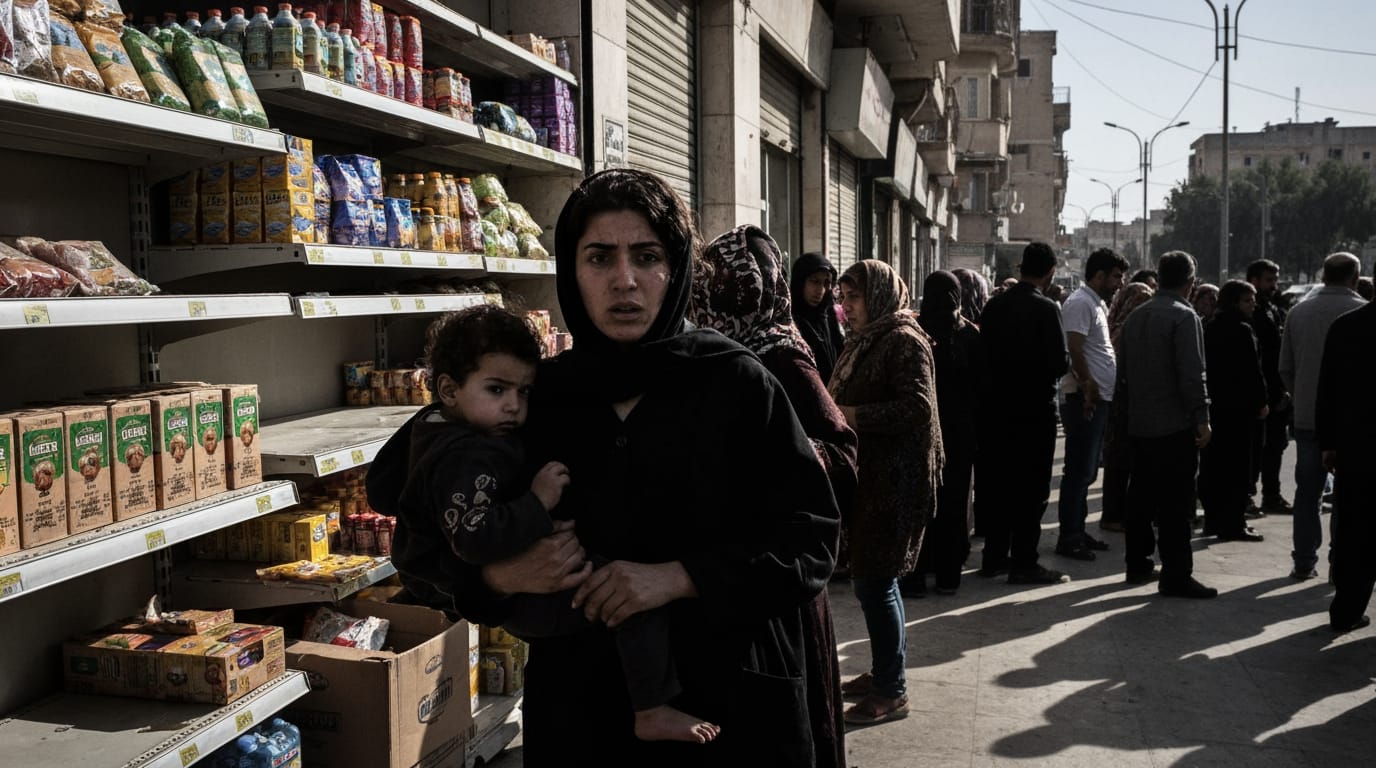
The deepening conflict involving Iran, marked by recent attacks and retaliatory measures, is rapidly converging with existing vulnerabilities in the global supply chain, threatening to ignite a severe and widespread food crisis that could disproportionately impact the world's most vulnerable populations. As tensions simmer in the Middle East, particularly around the crucial Strait of Hormuz, disruptions to vital energy and fertilizer shipments are sending shockwaves through international markets, signaling an imminent surge in food prices and a perilous escalation of food insecurity across numerous nations. The complex interplay of disrupted trade routes, soaring energy costs, and reduced agricultural inputs paints a bleak picture for global food security, demanding urgent international attention to avert a humanitarian catastrophe.
The Strait of Hormuz: A Fragile Lifeline Under Siege
At the heart of the burgeoning crisis lies the Strait of Hormuz, a narrow maritime chokepoint through which a significant portion of the world's trade, including critical energy and agricultural inputs, normally transits. This vital waterway, now severely disrupted by the ongoing conflict, is witnessing an almost complete halt in the passage of crude oil, liquefied natural gas (LNG), and, critically, fertilizer cargoes. Approximately a fifth of the world's oil supply flows through this strait, and its closure has triggered the largest disruption to global oil supplies in the history of the modern oil market, pushing Brent crude prices to around $100 a barrel and threatening further escalation. Beyond energy, about one-third of the global fertilizer trade by sea typically passes through the Strait of Hormuz, a flow that has now dwindled to nearly zero. The Arabian Gulf region, comprising major exporters like Saudi Arabia, Qatar, Oman, and the UAE, was responsible for 16 million tonnes of fertilizer exports in 2024, with urea constituting over two-thirds and phosphates nearly a third of these shipments. The cessation of these shipments represents not merely an energy crisis but a profound "fertilizer shock" that could unravel global food systems.
The Unseen Link: Energy, Fertilizers, and the Future of Food
The intricate relationship between energy prices, fertilizer availability, and food production forms the backbone of modern agriculture, making the current disruptions particularly perilous. Synthetic nitrogen fertilizers, essential for maintaining the high crop yields required to feed the global population, are produced through processes heavily reliant on natural gas. A disruption in natural gas supply or ammonia trade immediately constrains global nitrogen availability, leading to reduced agricultural output. Without these critical inputs, harvests of staple crops such as wheat, maize, and rice are projected to fall dramatically. The heightened cost of energy also directly inflates the expenses associated with agricultural operations, encompassing transportation, irrigation, and the manufacturing of other vital farm inputs. Increased diesel and transport costs for major agricultural exporters, including Brazil and the United States, are further expected to drive up grain export prices globally. This confluence of factors creates a scenario where higher energy costs directly translate into elevated food production costs, ultimately leading to higher consumer prices and reduced accessibility to food.
Global Economic Instability and Magnified Supply Chain Vulnerabilities
The conflict's repercussions extend beyond immediate logistical hurdles, threatening to plunge the global economy into deeper instability and exposing inherent fragilities within international supply chains. The United Nations Global Food Price Index, which registered a significant increase following the "12-Day War" against Iran in June 2025, is anticipated to experience a similar surge in the coming months. Analysts warn that the combined effect of elevated energy costs, constrained fertilizer supplies, and persistent shipping disruptions will invariably lead to higher global food prices, escalate the risk of temporary shortages in import-dependent nations, and exacerbate existing food insecurity pressures. Regions already grappling with economic challenges and existing humanitarian crises, including parts of Sub-Saharan Africa and Southeast Asia, are particularly vulnerable, as reduced fertilizer availability and affordability will likely result in lower application rates and subsequently weaker harvests. Countries like Nigeria, Pakistan, and Turkey are also identified as highly susceptible to the cascading impacts of global food supply strains. The sustained insecurity in key maritime routes is expected to increase freight and insurance costs, further tightening effective shipping capacity and compounding the challenges of food distribution worldwide.
The Human Cost: Exacerbating Humanitarian Crises
The specter of a widespread food crisis looms largest over populations already struggling with acute food insecurity, promising to deepen humanitarian emergencies across the globe. The UNCTAD agency has issued a stark warning, indicating that some of the world's poorest nations face imminent famine as essential energy and fertilizer trades from the Arabian Gulf have virtually ceased. Countries such as Sudan, Somalia, Mozambique, and Nigeria, which rely heavily on these imports for agricultural productivity, are at critical risk. Sudan, already embroiled in conflict, depends on Gulf countries for 54% of its fertilizer supplies, essential for the minimal subsistence of its 52 million people.
The World Food Programme (WFP) has cautioned that the ongoing conflict will intensify pressure on its already cash-strapped operations, leading to increased food prices and operational costs. Carl Skau, Deputy Executive Director of the WFP, noted that at least 318 million people worldwide are currently at immediate risk of hunger, a number expected to rise significantly. Previous funding shortfalls have already forced the WFP to scale back operations and lay off staff, with deadly consequences, including child deaths from severe malnutrition in Afghanistan. Skau underscored the crucial link between food security and global stability, emphasizing that hunger inherently drives instability across borders. Vulnerable countries like Yemen, already battling prolonged conflict and humanitarian needs, are expected to experience further increases in food prices.
Conclusion: Averting a Looming Catastrophe
The unfolding scenario in the Middle East presents a grave and multi-faceted threat to global food security. The confluence of a critically disrupted Strait of Hormuz, soaring energy prices, constrained fertilizer supplies, and existing vulnerabilities in international supply chains creates a fertile ground for a widespread food crisis. The direct impact on agricultural yields, combined with the indirect effects of increased costs and logistical bottlenecks, places millions at risk of acute hunger and further destabilization. While the immediate focus remains on managing the geopolitical tensions, the far-reaching humanitarian and economic consequences underscore the urgent need for diplomatic resolutions and concerted international efforts to mitigate the impending food crisis. A failure to address these interconnected challenges could result in a catastrophe of immense proportions, with long-lasting implications for global peace and stability.