Ethiopia Grapples with Widespread Instability as Fears of Renewed Conflict Mount

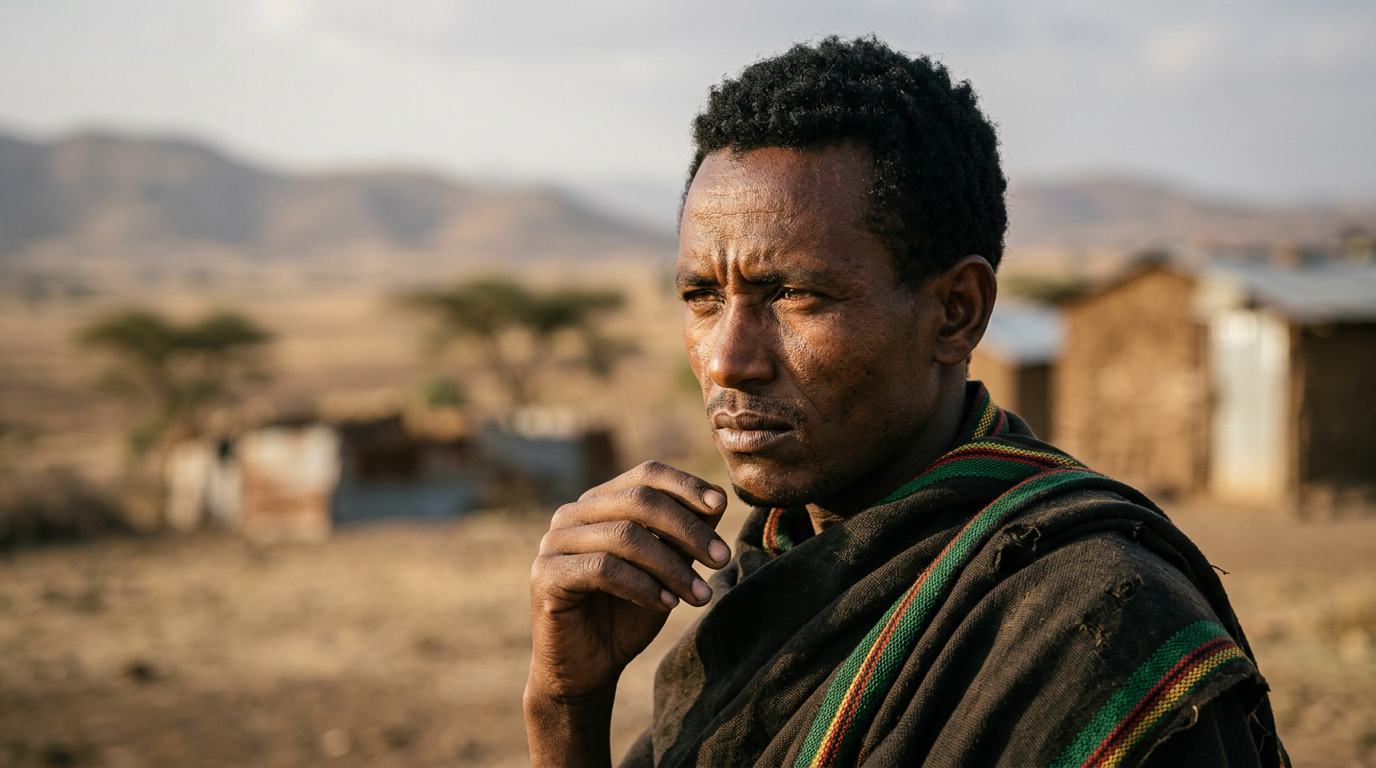
ADDIS ABABA – Ethiopia is navigating an increasingly precarious landscape marked by escalating localized conflicts, a burgeoning humanitarian crisis, and a fragile political environment, raising urgent fears of a wider resurgence of hostilities across the Horn of Africa nation. Despite the formal conclusion of the devastating Tigray War in late 2022, recent armed confrontations in the northern Tigray region, persistent insurgencies in Amhara and Oromia, and simmering inter-regional tensions underscore the multifaceted challenges to lasting peace and stability. The complex web of grievances, unfulfilled peace terms, and political maneuvering is pushing Africa's second-most populous country to a critical juncture, with profound implications for its citizens and the broader region.
The Precarious Peace in Tigray and Lingering Grievances
The November 2022 Pretoria Peace Agreement, which formally ended the two-year conflict between the Ethiopian federal government and the Tigray People's Liberation Front (TPLF), appears increasingly strained. Recent weeks have witnessed a concerning uptick in military activities in the Tigray region, particularly in contested areas along its border with Amhara. In late January 2026, clashes erupted between the TPLF-led Tigray Defense Forces (TDF) and Ethiopian federal forces, marking the most significant confrontation since the peace deal. Further, in early August 2026, intense fighting broke out in Shererina, a locality in Western Tigray near the Sudanese border, involving heavy artillery and drones, prompting hundreds of civilians to flee into neighboring Sudan. While the TPLF accused the federal government of initiating an "open war," federal sources countered that Tigrayan forces had started the hostilities.
A central point of contention remains the implementation of the Pretoria Agreement, which stipulated the demobilization of the TPLF/TDF. However, these forces have not fully disarmed and continue to control significant portions of Tigray. Moreover, Amhara militias, who fought alongside federal troops against the TPLF, still occupy much of Western Tigray, a territory they claim, leaving tens of thousands of internally displaced persons (IDPs) in limbo and fueling ethnic tensions. Internal political disputes and fragmentation within Tigrayan politics also pose a threat to stability, with clashes between Tigrayan forces in southern Tigray and along the border with the Afar region deepening instability. The national electoral board's cancellation of the TPLF's registration in May 2025 further complicated the political landscape, effectively barring the dominant political force in Tigray from the June 2026 general elections and potentially reigniting the electoral dispute that preceded the 2020 war. Adding another layer of complexity, relations between the federal government and neighboring Eritrea remain fragile, with Addis Ababa accusing TPLF leaders of forging a clandestine alliance with Eritrea, a country that fears Ethiopia's stated intention to secure sovereign sea access. Reports also indicate TPLF leaders inaugurated a road linking Tigray directly to Eritrea in June 2026, a symbolically charged act given Eritrea's past involvement in the Tigray War.
Widespread Instability: Amhara, Oromia, and Beyond
Beyond Tigray, Ethiopia is grappling with significant and persistent armed conflicts in other key regions. The Amhara region, which emerged as the most volatile area with over 3,700 recorded attacks between January 2022 and May 2026, continues to experience armed hostilities between federal forces and the Fano militia. The Fano, a self-defense force, consolidated into the Amhara Fano National Movement in January 2026 after their alliance with the federal government soured following the Tigray peace deal. Reports of drone strikes harming civilians and the abduction and killing of teachers by Fano forces highlight the severe impact of this conflict on the civilian population. Aid agencies' access remains restricted in Amhara, with aid workers facing high incidents of violence.
Concurrently, the Oromia region, Ethiopia's largest and most populous state, faces an ongoing and often underreported conflict between federal forces and the Oromo Liberation Army (OLA). This insurgency, which has persisted since 2019, has led to civilian casualties and displacement, with federal security forces intensifying operations and utilizing surveillance drones. Despite Prime Minister Abiy Ahmed hailing from Oromia and the Oromo making up roughly 35 percent of Ethiopia's population, many Oromo contend they remain politically and economically marginalized. Human rights organizations have documented violations by the government, including indiscriminate drone strikes and extrajudicial killings. The conflict in Oromia is deeply entwined with Ethiopia's broader instability, as the OLA previously allied with Tigrayan forces during their advance toward the capital.
Further compounding the instability are localized clashes along regional borders, such as those between the Oromia and Sidama regions. In July 2026, renewed clashes in areas like Gubboo Heema village resulted in at least 10 deaths, dozens injured, and thousands displaced, with residents questioning the effectiveness of government-led peace efforts. These conflicts often stem from long-standing grievances over land and overlapping administrative claims.
A Nation Under Strain: Humanitarian Crisis and Economic Woes
The pervasive conflicts have plunged Ethiopia into one of Africa's most complex humanitarian crises. Civilians across much of the country face acute needs driven by a combination of armed hostilities, climate-induced shocks like droughts and floods, and regional instability. The United Nations estimates that over nine million children are out of school due to conflict and natural disasters. As of May 2024, IOM identified 3.3 million internally displaced persons (IDPs) within Ethiopia. Sida estimates that 19.3 million people are in need of humanitarian aid across the country.
The crisis is multi-sectoral, affecting protection, health, education, water, sanitation, hygiene, food security, and nutrition, with protection abuses and a reduction in funding for gender-based violence response being significant concerns. Epidemic diseases like malaria, measles, and cholera are occurring simultaneously, indicating a systemic breakdown of basic services. The International Rescue Committee (IRC) placed Ethiopia on its 2026 Emergency Watchlist, identifying it as one of the countries most likely to experience a worsening humanitarian situation. Access to affected populations remains deeply restricted in some areas, particularly Amhara and contested territories between Amhara and Tigray, due to security risks for aid workers.
Economically, Ethiopia continues to grapple with high inflation, rising external debt, and a persistent cost-of-living crisis. The country has not regained its former duty-free trade status with the United States under the African Growth and Opportunity Act, which has negatively impacted key industries like leather and textiles. While the government has implemented IMF-backed reforms, including subsidy cuts and monetary tightening, these measures have often added to the burden of ordinary citizens.
Political Divisions and International Appeals
The political landscape in Ethiopia remains deeply polarized. Prime Minister Abiy Ahmed's Prosperity Party secured a large parliamentary majority in the June 2026 elections. However, his government faces simultaneous armed challenges from various fronts, testing its control and legitimacy. The government has intensified its crackdown on independent media and civil society ahead of elections, with officials harassing human rights organizations and detaining striking healthcare workers. The transitional justice process, intended to address past abuses, has stalled, and impunity for serious crimes remains a norm. Efforts to achieve an inclusive national consensus through a National Dialogue process have yielded minimal results, marred by accusations of exclusion and government domination.
The international community has expressed growing alarm over the deteriorating situation. In early 2026, international human rights organizations warned that Ethiopia is "on the brink" of renewed large-scale conflict, with the International Crisis Group characterizing the situation as a "powder keg". The African Union Commission Chairperson called for "maximum restraint" in January 2026 following renewed clashes in Tigray, signaling the regional body's concern over the fragile stability. While Addis Ababa hosted significant diplomatic events in late July and early August 2026, underscoring its role as a continental hub, the underlying security challenges persist. The US Ambassador to Ethiopia visited Tigray and Amhara in mid-July 2026, emphasizing the urgent need for dialogue and full implementation of the Cessation of Hostilities Agreement. There are also calls for greater international attention to the Amhara conflict, which has received limited focus compared to other global crises.
As Ethiopia grapples with a complex mix of internal insurgencies, ethnic tensions, humanitarian catastrophe, and economic hardship, the path to sustained peace remains fraught with challenges. The current climate of "managed instability," where periodic clashes and political disagreements persist without a full-scale return to nationwide war, risks unraveling entirely. A comprehensive approach addressing the root causes of conflict, ensuring inclusive political dialogue, upholding human rights, and providing substantial humanitarian assistance will be crucial to avert a deeper crisis and secure a stable future for all Ethiopians.
Related Articles


From War-Torn Lands to European Gold: Amanal Petros' Unyielding Marathon Journey
Amanal Petros, an Eritrean-born German long-distance runner, has defied the odds and captivated the athletic world with a remarkable ascent from a refugee fleeing conflict to a European champion. His recent gold medal...


AI Ecosystem's "Circular" Investment: A Double-Edged Sword for Innovation and Risk
The artificial intelligence industry is experiencing an unprecedented surge in investment, fueled by a unique and increasingly prevalent financial model: circular financing. This intricate web of intercompany...


Mass Shooting Suspect Found Dead in German Prison, Raising Questions About Justice and Oversight
BREMERVÖRDE, Germany – A man accused of a horrific mass shooting that claimed the lives of six social workers in Stade last month was found dead in his prison cell on Tuesday, ending a judicial process before it could...