EU Charts Renewed Course for Western Balkans Accession Amid Geopolitical Imperatives
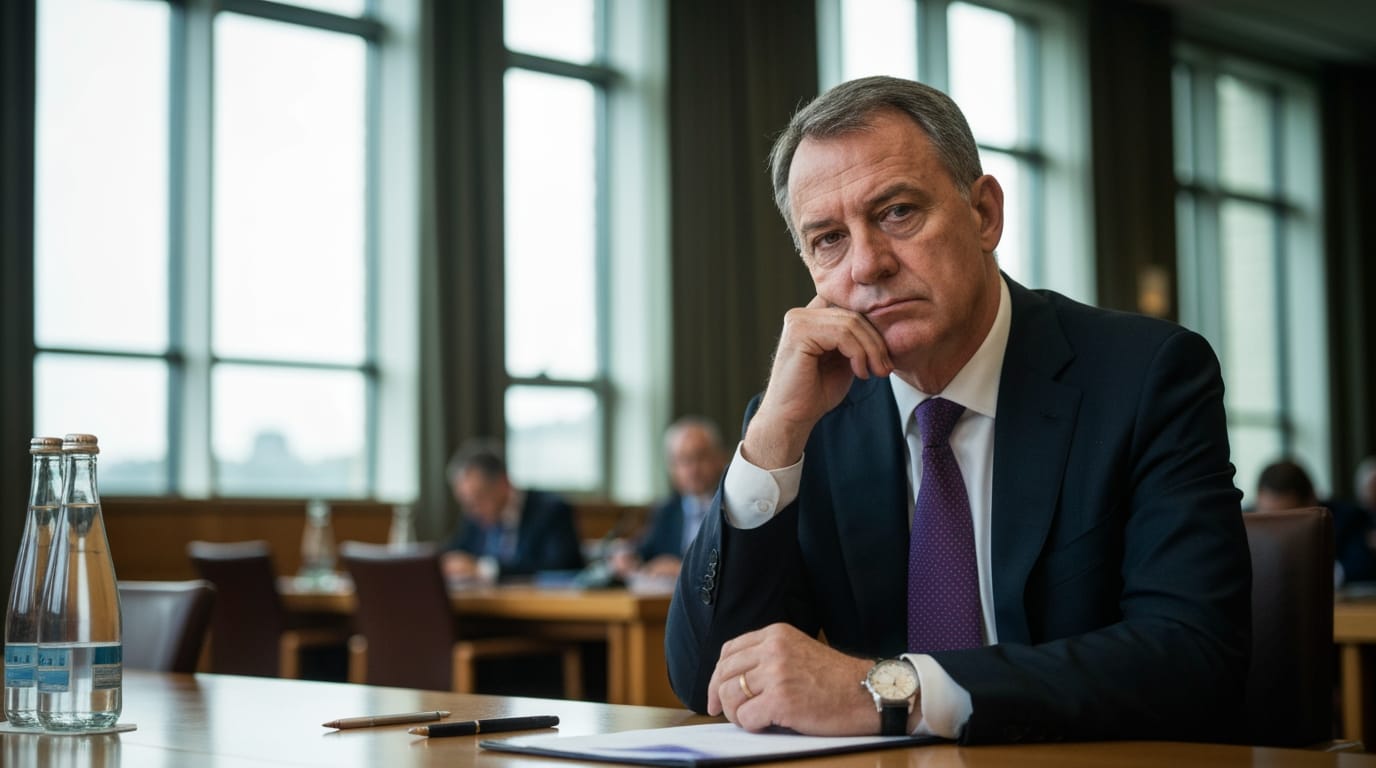
Tivat, Montenegro – European Union leaders convened in Montenegro on Friday, June 5, 2026, for a high-stakes summit, signaling a reinvigorated commitment to the eventual membership of six Western Balkan nations. The gathering, which included top officials from the EU's 27 member states and the region, aimed to inject fresh impetus into an enlargement process long plagued by "fatigue" and stalled reforms, now viewed through the urgent lens of shifting geopolitical realities across the continent.
The Adriatic coastal town of Tivat hosted over 30 leaders, among them French President Emmanuel Macron, German Chancellor Friedrich Merz, Italian Premier Giorgia Meloni, European Commission President Ursula von der Leyen, and European Council President António Costa. Their collective message underscored that the future of Albania, Bosnia and Herzegovina, Kosovo, Montenegro, North Macedonia, and Serbia lies firmly within the European Union, a prospect increasingly seen as a geostrategic necessity for peace, stability, and security in Europe.
Renewed Urgency in a Volatile World
The re-energized focus on the Western Balkans comes at a pivotal moment for Europe. Russia's ongoing war in Ukraine has profoundly reshaped the strategic priorities of the EU, leading to a stark realization that the region cannot remain a geopolitical gray zone vulnerable to external influences. European Council President António Costa articulated this sentiment earlier in the week, describing EU enlargement as a "geostrategic interest for Europe" and an "investment in the peace, stability and security of our continent," particularly as Russia and China vie for influence in the region.
This urgency has prompted a shift from the previous "enlargement fatigue" that characterized much of the past decade. After Croatia's accession in 2013, the momentum for further integration from the Western Balkans slowed considerably, as the EU grappled with internal issues and economic crises. However, the post-2022 landscape, marked by conflict and heightened global power competition, has compelled Brussels to view the integration of its southeastern neighbors not merely as a technical process, but as a critical component of its own security architecture. The consensus among leaders now suggests that leaving the Western Balkans in a prolonged waiting room could create vacuums that rival powers are eager to fill.
Tangible Steps Towards Gradual Integration
In a concerted effort to demonstrate concrete progress and mitigate frustration over slow accession, the summit highlighted several initiatives designed to integrate the Western Balkans more deeply into the EU's single market, even before full membership. A significant announcement involved the EU Council's approval to begin negotiations for extending the popular "Roam Like at Home" scheme to the six Western Balkan partners. This move, often cited as a success story within the EU, aims to abolish mobile roaming charges for citizens traveling between the EU and the Western Balkans, symbolizing a tangible benefit of closer ties.
Further solidifying the path toward pre-accession benefits is the "Growth Plan for the Western Balkans," adopted by the European Commission in November 2023. This comprehensive plan seeks to enhance economic integration with the EU's single market, foster regional economic cooperation, accelerate EU-related reforms, and boost pre-accession funding with a substantial €6 billion for the 2024-2027 period. The objective is to bring some advantages of EU membership forward, accelerating socio-economic convergence and potentially doubling the size of the region's economies within a decade, provided robust structural reforms are implemented.
Additionally, a joint Franco-German initiative proposed a framework of "building blocks" for "gradual integration." This new approach aims to streamline the accession process by allowing Western Balkan governments to participate incrementally in specific EU policy areas and institutions as they achieve domestic reforms. This mechanism seeks to provide more immediate incentives and clearer milestones, ensuring that reform efforts translate into visible benefits for the candidate countries and their citizens.
Montenegro Leads, Others Face Uphill Battles
Among the six aspiring nations, Montenegro has emerged as the frontrunner in the race for EU membership. With an ambitious goal of becoming the 28th EU member by 2028, encapsulated by the motto "28 by 28," the small Adriatic nation has already seen the EU form a working group dedicated to drafting its accession treaty. Its progress is viewed as a critical test case and a potential blueprint for other candidates.
However, the path for other Western Balkan countries remains fraught with significant challenges. Persistent concerns about the rule of law, endemic corruption, and the protection of fundamental rights continue to be major obstacles. The European Commission's 2021 reports highlighted a lack of substantial progress in these crucial areas across the region. Furthermore, the EU maintains that it will not "import bilateral disputes," emphasizing the need for candidate countries to resolve long-standing regional disagreements, such as the normalization of relations between Serbia and Kosovo.
Serbia, a key regional player, faces particular scrutiny due to its slow pace of democratic reforms and its reluctance to align its foreign policy with that of the EU, notably concerning its stance on Russia. Its continued close ties with Moscow and Beijing, coupled with a lack of sanctions against Russia, have raised questions within the EU about its commitment to European values. This divergence was underscored by Serbia's non-alignment with the Brussels Declaration in December 2025. The summit discussions also touched upon potential safeguards for new member states, such as denying veto rights for several years, a measure reportedly aimed at preventing situations where single members could obstruct critical EU decisions, an issue brought into focus by past experiences with certain member states.
The Promise and Peril of Integration
For the Western Balkans, the prospect of EU membership offers profound political, social, and economic advantages. Integration into the single market is expected to fuel economic growth, attract foreign direct investment, and create jobs, ultimately leading to improved living standards. Beyond economic gains, EU accession is seen as a guarantor of political stability, democracy, and human rights in a region still grappling with the legacies of conflict. Regional cooperation, a prerequisite for accession, is also expected to foster reconciliation and stronger ties.
However, the prolonged nature of the accession process has led to "enlargement fatigue" not just within the EU, but also among the political elites and citizens of the Western Balkan countries. Diminishing interest, coupled with the arduous and often painful internal reforms required, poses a risk to the momentum generated by this latest summit. If the benefits of integration remain distant or the reform burden too heavy, the drive for EU membership could wane, undermining both the region's stability and the EU's geostrategic interests.
The Tivat summit represents a critical inflection point, with the EU balancing its renewed geopolitical imperative for enlargement with the strict conditionality required for membership. While the commitment to bring the Western Balkans into the European family is undeniably stronger, the responsibility for accelerating the pace of reforms rests heavily on the shoulders of the candidate countries. The road ahead remains complex, demanding sustained effort from all parties to translate rhetorical promises into the tangible realities of a united Europe.


