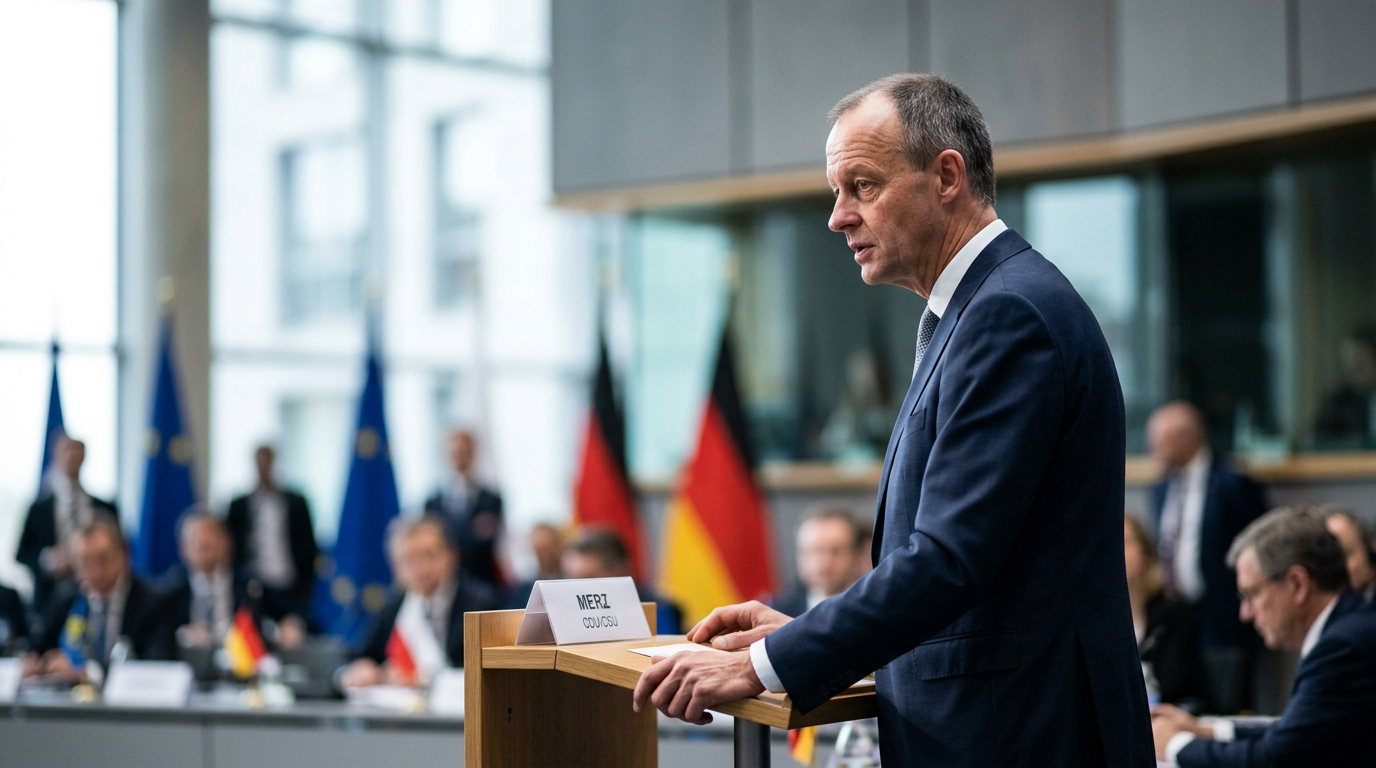
Fragile Calm: US Halts Iran Strikes for Second Day Amid Diplomatic Push

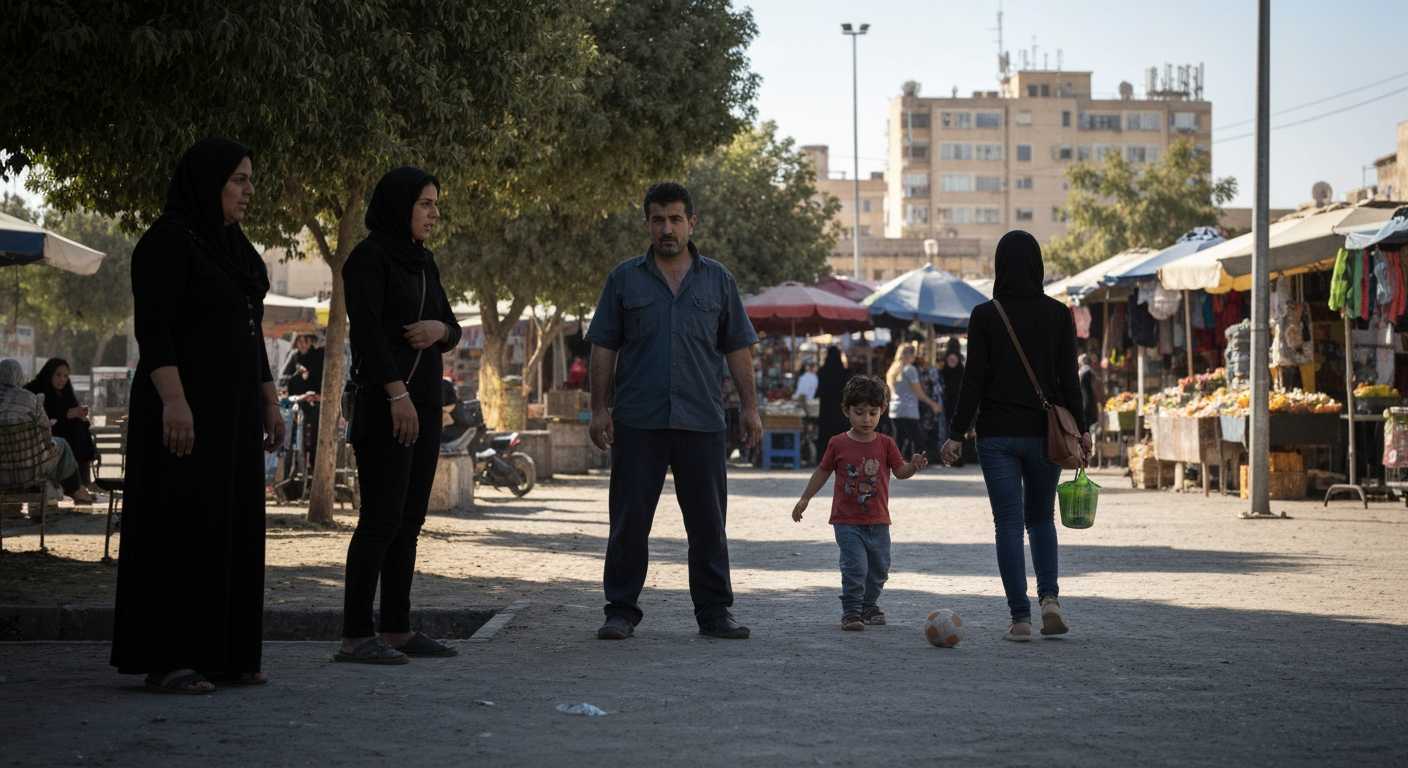
WASHINGTON D.C. – A tense quiet has settled over the Middle East as the United States concluded a second consecutive day without launching fresh military strikes against Iran, signaling a potential, albeit fragile, pivot toward de-escalation after weeks of intense hostilities. This pause follows 13 straight nights of American attacks targeting Iranian assets and positions, a period that saw a dramatic escalation in the long-simmering conflict. Diplomatic efforts, primarily spearheaded by Pakistan and Qatar, are reportedly gaining traction, with both Washington and Tehran indicating a willingness to engage in dialogue to halt the ongoing military exchanges.
The current lull, which began on Thursday night, July 24, marks a significant departure from the relentless pace of military operations that have characterized the region in recent months. The absence of new US strikes on Friday and Saturday, July 25-26, has been met with cautious optimism by international observers hoping to prevent a broader regional conflagration. The White House, while acknowledging ongoing talks with Iran, maintained that President Donald Trump has not made a final decision on future actions, reiterating that the US military remains "locked and loaded" should further escalation be deemed necessary.
A Halt in the Barrage
The reported halt in US strikes comes amidst concerns within Washington regarding the sustainability of prolonged military engagement. According to sources familiar with the situation, President Trump reportedly shelved plans for a broader military campaign against Iran, partly due to worries about dwindling US air defense supplies in the Middle East. This operational assessment appears to have opened a window for intensified diplomatic overtures. Mediators from Pakistan and Qatar have been actively working to bridge the communication gap between the two adversaries, facilitating an exchange of responses to a joint proposal aimed at ending the protracted conflict. Both nations have reportedly communicated their consent for dialogue and diplomacy, with the current pause being viewed as a crucial "positive signal" toward de-escalation.
However, the nature of this pause remains inherently delicate. A diplomatic source close to the mediation efforts cautioned that the cessation of strikes is fragile, carrying a "strong" possibility of renewed hostilities. This sentiment underscores the deep distrust and complex geopolitical dynamics that have long defined the relationship between the United States and Iran, leaving the region on edge as stakeholders monitor every development.
Weeks of Intense Escalation
The recent calm stands in stark contrast to the preceding weeks and months of escalating military engagements. The current phase of heightened tensions can be traced back to February 28, 2026, when US and Israeli forces launched a coordinated offensive dubbed "Operation Epic Fury" by the United States and "Roaring Lion" by Israel. These initial strikes targeted a wide array of Iranian military infrastructure, including missile and air defense systems, and notably resulted in the death of Iran's Supreme Leader Ali Khamenei, alongside dozens of other high-ranking Iranian officials. The offensive, which saw nearly 900 strikes within its first 12 hours, sparked immediate international outcry, particularly after a missile inadvertently struck a girls' school, claiming the lives of approximately 170 civilians.
Following these initial attacks, Iran's government moved swiftly to consolidate power, demonstrating resilience and resolve in the face of leadership losses. Tehran's foreign minister condemned the strikes on its nuclear facilities and demanded compensation. Tensions further flared on July 7, when President Trump declared an interim truce over, leading to a renewed barrage of US strikes. Iranian state media reported explosions in key areas, including the port city of Bandar Abbas, Sirik, and the southwestern Bushehr province, home to Iran's nuclear power plant complex. By July 14, US forces had hit 140 targets with over 300 strikes, and the US Navy reimposed a blockade on Iranian ports. The conflict took a particularly grim turn on July 17, when two US service members were killed in a strike on a US base in Jordan, prompting additional retaliatory US airstrikes and Iran's suspension of commitments under a memorandum of understanding. The continuous nightly strikes that followed for nearly two weeks inflicted significant casualties, with the Iranian Health Ministry reporting over 3,400 deaths in Iran, alongside 18 US service members and 24 Israeli civilians.
Regional Ripple Effects and Global Concerns
Beyond the direct conflict between the United States and Iran, the recent escalation has sent ripple effects across the broader Middle East and global markets. The strategically vital Strait of Hormuz, a critical chokepoint for global oil shipments, remains a focal point of contention. A senior Iranian lawmaker has asserted Iran's perpetual control over the strait, even as US-led negotiators explore compromises for unrestricted vessel transit. However, the prevailing risk perception has effectively halted tanker traffic through the waterway, leading to significant disruptions in global energy markets.
Concurrently, proxy conflicts in the region have intensified. Iran-backed Houthi rebels in Yemen have escalated their attacks, claiming missile and drone strikes on Saudi Aramco facilities in the Saudi Arabian cities of Jizan and Yanbu. Saudi Arabia has responded with retaliatory strikes against Houthi military positions, further exacerbating instability. International reactions have been mixed, with Australia and Canada openly supporting US actions, while Russia and China have voiced criticism. European leaders, while not participating in the strikes, have called for a return to diplomatic talks, emphasizing a negotiated settlement. The economic fallout has been tangible, with US stock markets experiencing declines, Brent crude oil prices surging, and the International Monetary Fund lowering its global economic growth forecast, directly citing the Middle East conflict as a contributing factor.
The Path Forward: Diplomacy or Renewed Conflict?
The current pause in US strikes on Iran represents a critical juncture in the ongoing crisis. The intensification of diplomatic efforts by Pakistan and Qatar offers a glimmer of hope for de-escalation, focusing on direct communication between the warring parties. However, the deep-seated grievances, the memory of recent casualties, and the mixed signals emanating from various capitals mean that the path ahead is fraught with uncertainty.
The situation remains highly fluid, with the potential for either renewed military confrontation or a tentative return to the negotiating table. The coming days will be crucial in determining whether this two-day cessation of strikes evolves into a sustained period of de-escalation or proves to be merely a temporary lull before another storm. The international community watches intently, understanding that the implications of this conflict extend far beyond the immediate belligerents, impacting global security, economic stability, and the lives of millions.
Related Articles

Ratko Mladić, "Butcher of Bosnia" and Convicted War Criminal, Dies at 84
THE HAGUE, Netherlands – Ratko Mladić, the former Bosnian Serb military commander known as the "Butcher of Bosnia" and convicted of genocide, war crimes, and crimes against humanity, has died at the age of 84. Serbian...

Long-Awaited 9/11 Mastermind Trial Set for 2028, Decades After Attacks
GUANTANAMO BAY, Cuba – Nearly a quarter-century after the devastating terror attacks of September 11, 2001, a military judge has finally set a trial date for Khalid Sheikh Mohammed, the alleged mastermind behind the...