EU Considers Easing Wolf Hunting Rules Amid Population Surge, Livestock Concerns
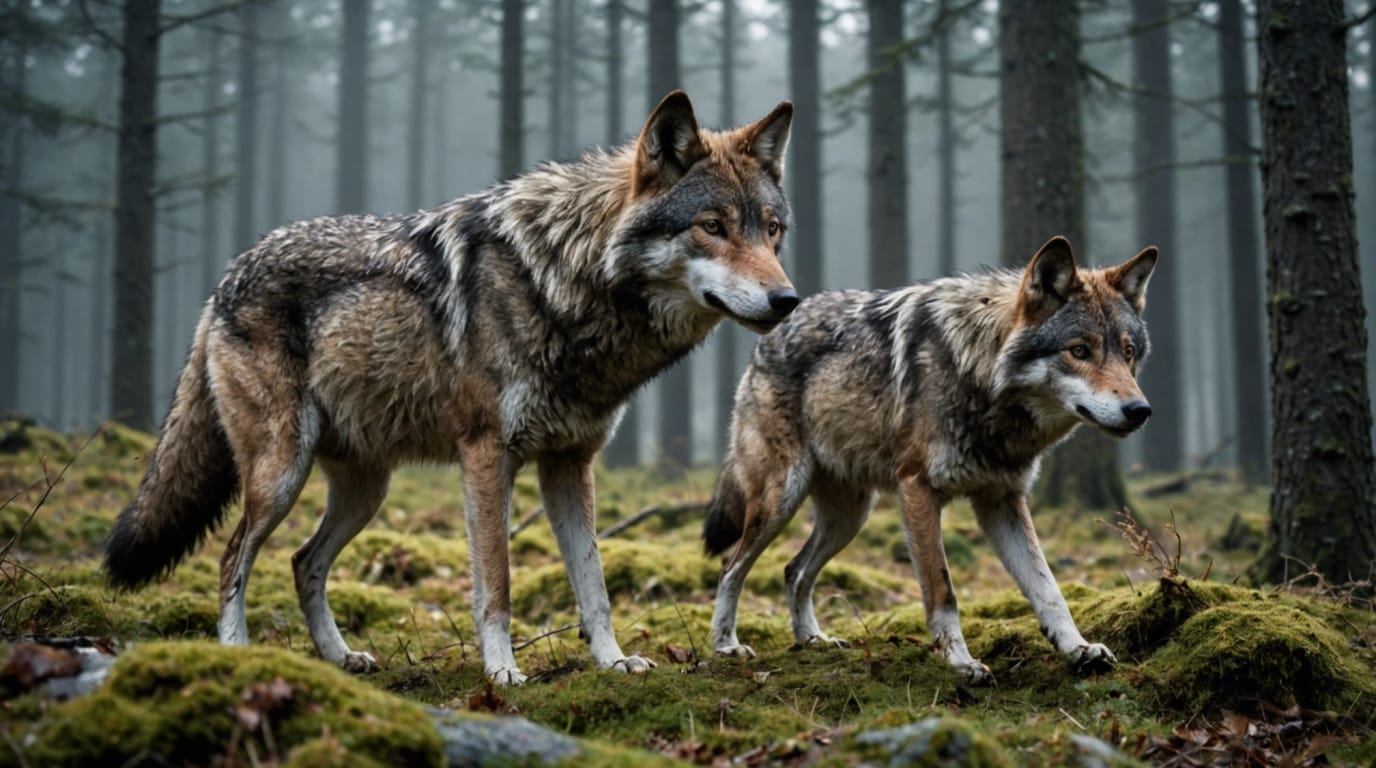
Brussels – The European Commission is considering easing restrictions on wolf hunting across Europe, a move driven by increasing wolf populations and mounting concerns over livestock predation. The proposal, which has ignited fierce debate among conservationists, farmers, and policymakers, aims to strike a balance between protecting the iconic species and mitigating its impact on rural communities.
The core of the proposal involves amending the wolf's protection status under the Bern Convention, an international agreement focused on conserving European wildlife and natural habitats. The European Commission suggested the move, which shifts wolves from "strictly protected" to "protected" status. This change, which went into effect March 7, 2025, grants member states greater flexibility in managing wolf populations, including the possibility of implementing controlled hunts.
The European Commission President Ursula von der Leyen emphasized the need for a balanced approach. She noted the potential danger wolf packs pose in certain regions, particularly to livestock. The proposed changes would allow local authorities to manage wolf populations while safeguarding agricultural interests and biodiversity.
The rising wolf population across Europe is a key factor driving the proposed changes. Between 2012 and 2023, the wolf population nearly doubled, leading to increased encounters with humans and livestock. Last year alone, wolves were responsible for the deaths of approximately 65,500 livestock animals across the continent, fueling calls for action from farmers and rural communities. Countries like France, which saw 12,000 livestock losses to wolves last year, may adopt more relaxed policies.
While proponents argue that easing hunting restrictions is necessary to control wolf numbers and protect livelihoods, conservation groups have voiced strong opposition. They argue that such measures could undermine decades of conservation efforts and threaten the long-term survival of wolf populations. Conservationists, including WWF, have criticized the move as harmful to biodiversity and politically motivated. They advocate for non-lethal methods of conflict mitigation, such as electric fencing and livestock guarding dogs, to minimize wolf predation.
Sweden has already begun culling its wolf population, aiming to reduce it by half. The government has approved the culling of five entire wolf families, totaling 30 wolves, a move critics claim violates EU law. Under the Berne Convention, protected species must not be reduced below sustainable population levels. The country's wolf population has already declined by nearly 20% in 2022-23, leaving just 375 individuals. This drop is attributed to intensified hunting. Earlier this year, the government announced plans to halve the population, reducing the minimum threshold for “favourable conservation status” from 300 to 170 wolves.
The debate surrounding wolf management is further complicated by accusations of political motivations. Some EU legislators and campaigners have accused von der Leyen of targeting wolves because he has personal motives after a wolf killed his pony in 2022. A spokesperson for the Commission said that the EU's decision was not based solely on von der Leyen's personal experience, but also included the fact that the wolf population is increasing in the EU with approximately 20,300 animals expected to be present by 2023.
The European Parliament and all EU member states must approve the proposal. Since 1979, Bern Convention has prohibited wolves being intentionally hunted or trapped unless they are a threat to livestock and health. Wolves can now be hunted under their new status. However, countries still need to take action to prevent the animals from becoming endangered. For example, they should limit hunting seasons.
The decision to ease wolf hunting rules reflects a broader trend across Europe. The Bern Convention, under the Council of Europe, was adopted by more than 50 countries, with 34 of them supporting the EU's request to downgrade the wolf's protection status. Despite the looser protections, individual member states can still impose stricter safeguards. In Belgium, with just 20 wolves across four packs, hunting is unlikely to increase.
The EU's proposal to ease wolf hunting rules has far-reaching implications for both wildlife conservation and rural communities. As the debate continues, finding a sustainable solution that balances the needs of all stakeholders remains a significant challenge. The coming months will be crucial in determining the future of wolf management in Europe and its impact on the continent's biodiversity.


