EU Diplomatic Minefield: Kallas Warns Against Russia's 'Mediator Trap' in Ukraine Conflict
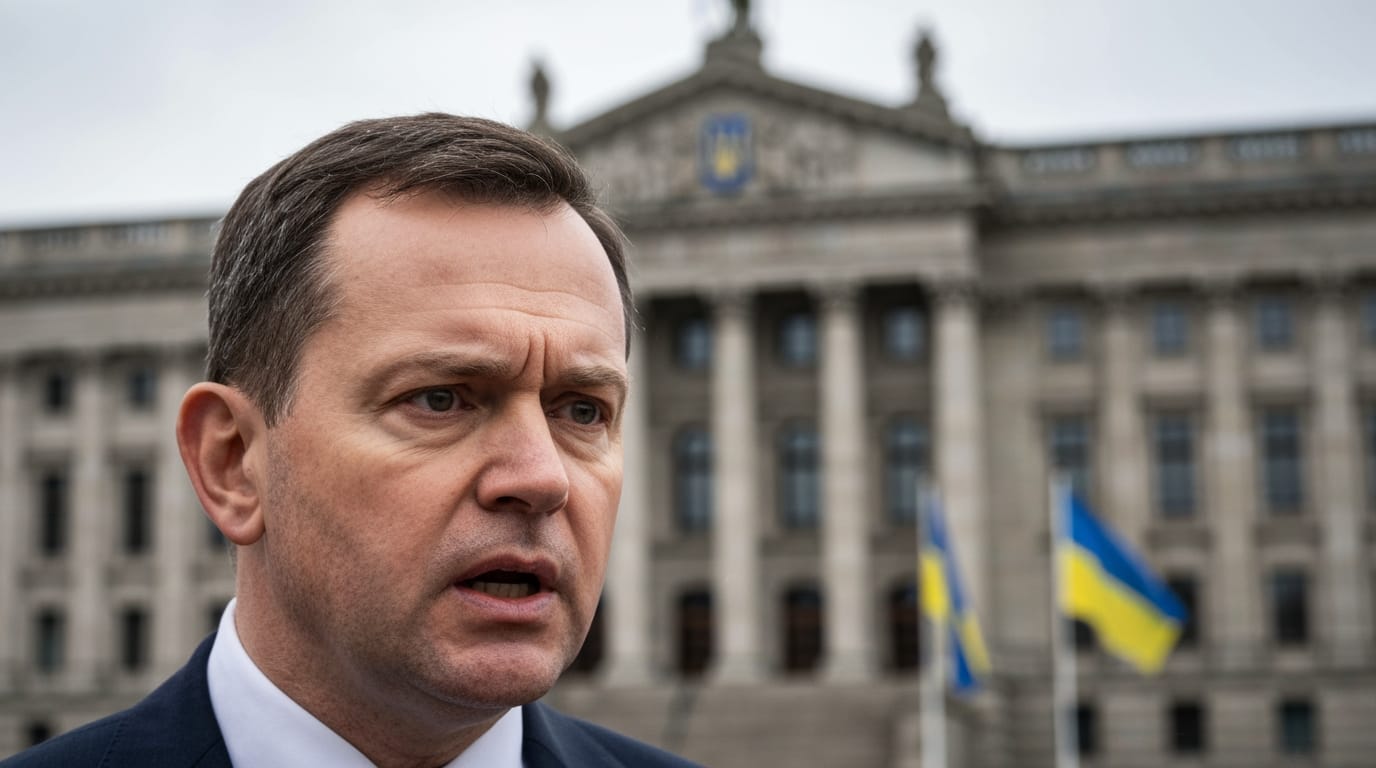
As European Union foreign ministers convened in Cyprus this week, a sharp warning from the bloc's foreign policy chief, Kaja Kallas, underscored the intricate diplomatic challenges surrounding the ongoing conflict in Ukraine. Kallas cautioned her counterparts against falling into what she described as a "Russian mediator trap," asserting that Moscow seeks to dictate the terms and participants of any potential peace negotiations rather than genuinely pursue a resolution. The pronouncement highlights the deep-seated skepticism within parts of the EU regarding Russia's intentions and the strategic imperative for a united European front.
The Cautionary Stance: Deconstructing the 'Mediator Trap'
Kallas, a prominent voice advocating for a firm stance against Russian aggression, articulated her concerns plainly during the informal meeting of EU foreign ministers. Her core message emphasized that Europe should not preoccupy itself with identifying potential intermediaries for talks with Russia, but rather focus intently on defining the substantive demands the EU would present. The Estonian diplomat asserted that Russia's suggestion of individuals like former German Chancellor Gerhard Schroeder as potential mediators exemplifies Moscow's strategy to influence and divide European decision-making.
According to Kallas, this approach is a calculated attempt to divert attention from fundamental issues, shifting the focus to personalities rather than the core principles necessary for lasting peace. She has previously outlined what she characterizes as Russia's "classic three-step negotiation tactic": first, making maximalist demands for territories it never possessed, followed by threats and ultimatums, and finally, presenting a "compromise" that merely consolidates its gains. Kallas maintains that accepting such a "compromise" would not genuinely resolve the conflict but rather reward aggression. She stressed that negotiation inherently requires a unified team effort, not a process where one party dictates the other's representation.
The EU's Deliberation: Unity Amidst Division
The discussion surrounding potential peace envoys has revealed ongoing internal debates within the European Union. While some member states view the appointment of a single negotiator with Russia as a necessary step, others, particularly those with direct historical experience of Russian influence, perceive it as a dangerous concession. Countries like Estonia, Lithuania, and Poland have expressed concerns that such a move could undermine the existing sanctions regime against Moscow and pressure Ukraine into making unfavorable concessions. These nations contend that Russian President Vladimir Putin has not demonstrated genuine intent for a ceasefire, making any early appointment of a negotiator potentially counterproductive.
Despite these differing perspectives, a consensus emerged among EU foreign ministers, including Kallas, that the bloc's primary task is to establish a clear and coherent strategy outlining its demands on Russia. This strategic alignment must precede any decision regarding who might represent the EU in future talks. Furthermore, European Commission officials have reiterated that the EU will only consider appointing a representative for peace talks when Moscow demonstrates "real readiness for peace," a sincerity they currently do not perceive from Putin.
Russia's Historical Approach to 'Coercive Mediation'
Kallas's caution is rooted in a broader understanding of Russia's historical engagement in international conflicts, often characterized by a strategy termed "coercive mediation." This approach integrates military intervention with diplomatic overtures, where force is used to create leverage for negotiation. Past instances illuminate this pattern. In Georgia in 2008, a French-negotiated peace plan effectively solidified Russia's control over separatist regions following military action. Similarly, the Minsk agreements concerning Ukraine in 2014-2015, while ostensibly diplomatic solutions, ultimately created conditions that favored Russia by making the reintegration of the Donbas region politically complex for Kyiv.
Beyond Europe, Russia has also played a dual role in conflicts such as the Syrian civil war, where it deployed military forces while also engaging in negotiations designed to secure outcomes favorable to its allies. In Nagorno-Karabakh, Russia historically supplied arms to both sides of the conflict while simultaneously presenting itself as a key mediator. This pattern often results in an "illiberal peace," a cessation of direct violence that leaves underlying political and social grievances unresolved, essentially consolidating gains made through military force. This historical context deeply informs Kallas's present warning, suggesting that Moscow's calls for dialogue may mask an intent to formalize territorial changes rather than genuinely de-escalate the conflict.
Geopolitical Landscape and the Path Forward
The renewed discussion about a potential EU mediator comes as the United States has seemingly stepped back from its direct mediation role, creating new impetus for the EU to assert its diplomatic weight. Kallas, drawing on her recent interview with Der Spiegel, contends that Russia has reached a "deadlock" in Ukraine and cannot sustain the war indefinitely. She views Moscow's frequent threats as an indication of weakness, not strength, and argues that Europe must avoid any action that could be perceived as weakness, which she believes only provokes further Russian aggression.
In response to Russia's ongoing actions, the EU continues to prioritize robust support for Ukraine and maintaining significant pressure on Moscow. The bloc is actively preparing a 21st package of sanctions, which is expected to target Russia's financial sector and its defense industry, underscoring Brussels' belief that Putin is not genuinely seeking peace. Kallas has urged European nations to resist any urge to "humiliate" themselves by begging Russia for negotiations, instead advocating for a strategy that places Moscow in a position where it must engage in good-faith talks. Crucially, any future diplomatic initiative will require the unequivocal approval of Ukraine, ensuring that its sovereignty and territorial integrity remain paramount. The German foreign minister, for instance, has firmly rejected Russia's attempts to dictate who should mediate, emphasizing that Ukraine's approval is essential for any credible mediator.
Conclusion
Kaja Kallas's emphatic warning against a "Russian mediator trap" serves as a stark reminder of the complex and often deceptive nature of diplomacy in times of conflict. Her message underscores the critical need for European unity, strategic clarity, and an unwavering focus on substantive demands rather than allowing Russia to control the narrative or choose its interlocutors. By prioritizing a common EU position and resisting overtures that could legitimize aggressive territorial gains, Europe aims to navigate the treacherous diplomatic landscape with caution. The path to a just and lasting peace in Ukraine, as articulated by Kallas and supported by a growing consensus within the EU, hinges on Moscow abandoning its coercive tactics and engaging in negotiations founded on international law and genuine intent.


