EU Enacts Sweeping Ban on Destruction of Unsold Clothing, Footwear to Combat Waste
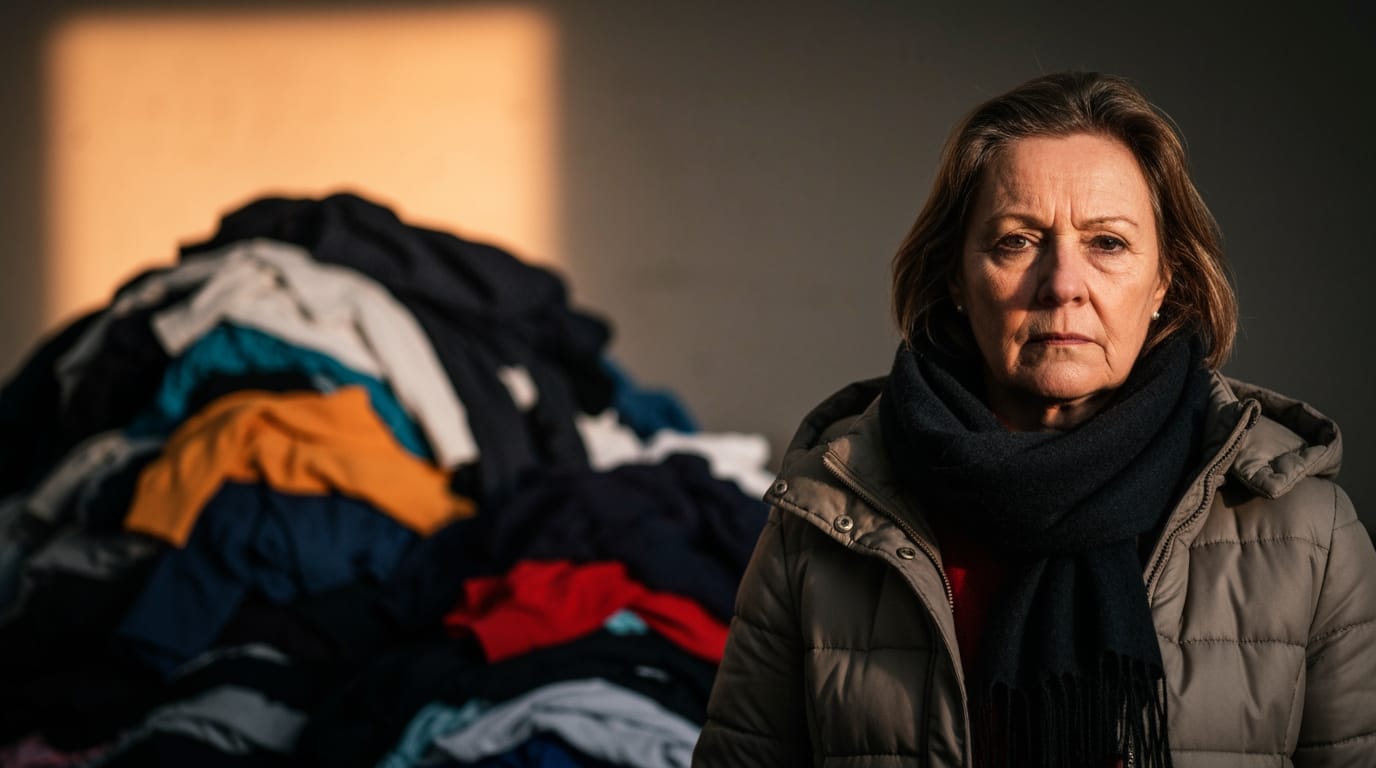
Brussels, Belgium – In a landmark move poised to redefine sustainability within the fashion and retail sectors, the European Union has officially prohibited large companies from destroying unsold clothes, clothing accessories, and footwear, effective July 19, 2026. This pivotal regulation, part of the broader Ecodesign for Sustainable Products Regulation (ESPR), marks a significant step towards a circular economy, compelling businesses to adopt more responsible practices for their excess inventory and signaling a profound shift away from the linear "take-make-dispose" model that has long characterized the industry.
The Genesis of a Green Mandate: ESPR Takes Center Stage
The new ban is a direct outcome of the Ecodesign for Sustainable Products Regulation (ESPR), a comprehensive legislative framework that came into force on July 18, 2024. The ESPR aims to enhance the durability, repairability, recyclability, and overall resource efficiency of products placed on the EU market, extending the scope of previous ecodesign directives beyond energy-related goods to cover virtually all product categories. The prohibition on destroying unsold textiles represents one of the first concrete measures implemented under the ESPR, specifically targeting the fashion sector due to its substantial environmental footprint.
Under the new rules, large companies operating within the EU are now forbidden from discarding usable products. This includes apparel, clothing accessories, and footwear. Medium-sized companies will be subject to the same regulations starting July 19, 2030, providing them a longer transitional period to adapt their operations. Micro and small enterprises are currently exempt from these new requirements. The regulation explicitly mandates that businesses prioritize keeping products in use through sales, donations to charities, or preparing them for reuse, which includes repairing, refurbishing, or remanufacturing.
Exceptions to the ban are limited and narrowly defined. Companies may only destroy unsold items if they are deemed unsafe, damaged, counterfeit, infringe on intellectual property rights, or have been rejected by charities or donation schemes. To prevent misuse of these exemptions, businesses are required to provide proof, such as documents or test results, and must publish annual reports detailing any discarded products. Transparency is a key component, with companies needing to disclose the quantity, weight, product category, and waste treatment method used for any destroyed goods. This data must be maintained for five years.
Confronting the Textile Waste Crisis
The EU’s ban on destroying unsold goods directly confronts the escalating global textile waste crisis. The fashion industry is recognized as one of the most resource-intensive sectors, with a significant environmental impact. Annually, approximately 92 million tons of textile waste are generated globally. In Europe alone, each person generates around 16 kilograms of textile waste per year, amounting to an estimated 6.94 to 7 million tonnes across the EU27 in 2022. A disheartening 4 to 9 percent of all textile products introduced to the European market are destroyed before ever reaching a consumer. This translates to an astonishing 264,000 to 594,000 tonnes of textiles discarded annually, contributing an estimated 5.6 million tonnes of CO₂ emissions.
The environmental ramifications extend beyond waste volume. Textile production consumes vast amounts of water, energy, and raw materials. For instance, producing a single cotton shirt can require 2,700 liters of water. The disposal of textiles in landfills leads to the release of harmful chemicals, dyes, and greenhouse gases like methane, which is 25 times more potent than carbon dioxide in trapping heat. Incineration of synthetic textiles further contributes to air pollution through the emission of carbon dioxide and toxic substances. The new regulation aims to mitigate these impacts by fostering practices that reduce greenhouse gas emissions and conserve valuable resources.
Industry Adaptation and the Shift to Circularity
The implementation of this ban necessitates a fundamental transformation in how retailers and manufacturers manage their supply chains and inventory. The traditional model, where overproduction and disposal were often cheaper than storage or alternative solutions, is no longer viable for large businesses. Companies must now invest in improved sales forecasting, real-time stock monitoring, and robust communication channels between suppliers and stores to minimize excess inventory from the outset.
The regulation encourages a hierarchical approach to unsold goods: prioritize selling, then donation, then preparing for reuse, and only as a last resort, recycling before any disposal. This will drive innovation in areas such as product design for longevity, repairability, and recyclability. The market for resale platforms, refurbishment services, and take-back programs is expected to expand significantly. While supporting the regulation's intent, some industry voices, such as GermanFashion CEO Thomas Lange, note that many European apparel companies already avoid destroying unsold merchandise. Lange emphasizes the real challenge lies with the large quantities of inexpensive ultra-fast-fashion products from non-European suppliers, calling for these companies to contribute to textile collection and recycling costs.
For companies with high return volumes, the ban presents a practical challenge: what to do with non-resellable goods when destruction is no longer an option. This pushes businesses to refine their logistics, routing unsold and returned stock to appropriate channels like resale, repair, donation, or recycling, and meticulously documenting the process.
Broader Implications and Future Outlook
The ban on destroying unsold textiles is a cornerstone of the EU’s broader Strategy for Sustainable and Circular Textiles, adopted in 2022 as part of the European Green Deal and Circular Economy Action Plan. This strategy envisions a future where textile products are durable, repairable, and recyclable, supported by profitable reuse and repair services, and where producers bear responsibility for their products throughout the entire supply chain.
Looking ahead, the EU intends to expand the ban to other product categories, signaling a wider shift in regulatory expectations across various industries. Upcoming measures include mandatory separate collection systems for textiles in EU Member States by 2025, new design requirements for textiles to promote longevity and recyclability, and the introduction of Digital Product Passports, which will provide QR-accessible information on materials, traceability, durability, and environmental impact.
While the ban's immediate impact will be on large companies, its long-term effects are expected to ripple across the entire value chain, influencing product design, production practices, and consumer behavior. This move by the EU underscores a growing global imperative for corporate responsibility and environmental stewardship, aiming to transform the European market into a leader in sustainable consumption and production.
Conclusion
The EU’s prohibition on the destruction of unsold clothes and footwear marks a significant milestone in the pursuit of a more sustainable and circular economy. By legally curtailing a deeply ingrained wasteful practice, the regulation forces a crucial pivot in corporate strategy, demanding greater foresight, transparency, and innovation from manufacturers and retailers. While challenges remain in adapting to these new operational realities and ensuring comprehensive compliance, the ban sends an undeniable message: the era of readily discarding usable goods is drawing to a close. This legislative action sets a precedent for resource efficiency, aiming to alleviate the environmental burden of textile waste and foster a future where products are valued for their entire lifecycle, not just their initial sale.


