EU Faces Balancing Act Over Complex Turkey Ties
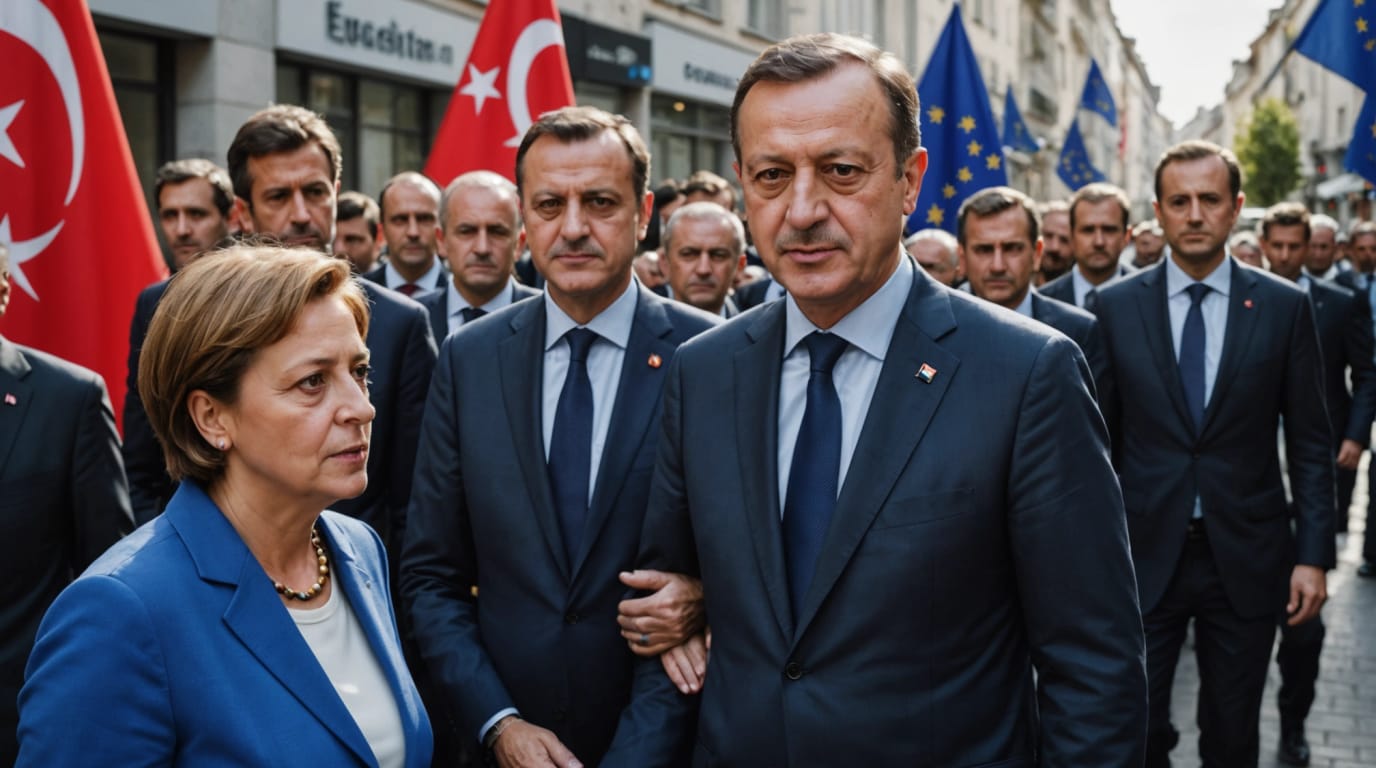
The European Union is navigating a complex and multifaceted relationship with Turkey, a nation that remains a key strategic partner despite persistent political tensions and stalled accession talks. The EU must balance its need for cooperation with Turkey on issues such as security, migration, and trade, against concerns over human rights, democratic backsliding, and conflicting foreign policy objectives.
A Relationship Defined by Tension and Transaction
Turkey's relationship with the EU has been strained for over a decade, marked by increasing divergence on political values and foreign policy priorities. Accession negotiations, formally initiated in 2005, have been effectively frozen since 2018 due to the EU's concerns about the erosion of democracy, the rule of law, and fundamental rights in Turkey. Brussels has continuously reported increasing censorship, authoritarian tendencies, and a deterioration in the rule of law in Turkey.
Despite the standstill in accession talks, the EU and Turkey maintain a vital, albeit increasingly transactional, relationship. This transactionalism is driven by mutual interests in areas such as trade, security, and migration management. Half of all Turkish exports continue to be destined for EU markets, and Turkey benefits from membership in a customs union with the EU, leading to European products entering the Turkish market on favorable terms. Key European states such as Spain have large stakes in the Turkish financial services sector as well, bounding the relationship in a robust, multi-layered economic partnership that contributes to an immense portion of the Turkish economy.
Strategic Importance Amidst Geopolitical Shifts
Turkey's strategic location, bridging Europe and the Middle East, and its status as a key NATO member, make it a central player in addressing regional security issues and promoting stability. In light of the war in Ukraine, the conflict in the Middle East, and other global challenges, Turkey's importance to the EU has been amplified.
Turkey has played a crucial role in mediating between Russia and Ukraine, and its control of the Turkish Straits is vital for Black Sea security. The EU also relies on Turkey for border security and curbing illegal migration, particularly in the aftermath of the Syrian civil war. The Türkiye-EU mechanism on migration, although controversial, remains effective as the bloc faces continued migrant pressures and political unrest at home with the rise of far-right/extremist parties across the continent.
Obstacles to Closer Cooperation
Despite the areas of mutual interest, several obstacles hinder closer cooperation between the EU and Turkey. One major challenge is the divergence in foreign policy priorities. Turkey's relations with Russia, its involvement in Syria and Libya, and its stance on the Israeli-Palestinian conflict have often put it at odds with the EU. The European Commission reports that the level of foreign policy convergence between Turkey and the EU is only 10 percent.
Another significant obstacle is the ongoing dispute over Cyprus. Turkey's refusal to recognize the Republic of Cyprus and its continued military presence in Northern Cyprus remain major sticking points in EU-Turkey relations. For Nicosia, any discussions on closer ties between the EU and Turkey must be contingent on resolving the Cyprus issue – specifically, the reunification of the island and the withdrawal of Ankara's support for the internationally unrecognised Turkish Republic of Northern Cyprus.
Furthermore, concerns about human rights and the rule of law in Turkey continue to be a major source of tension. The EU regularly voices concern about the condition of human rights and democratic freedoms in Türkiye – including the “targeting of political parties, human rights defenders and media".
Potential Avenues for Engagement
Despite the challenges, there are potential avenues for revitalizing EU-Turkey relations. One key area is the modernization of the EU-Turkey Customs Union, which could provide a significant boost to bilateral trade and investment. Restarting high-level dialogues on economy, energy, and transport, and resuming meetings of the Association Council could also help to improve communication and cooperation.
Another area for potential engagement is in foreign policy and security. The EU and Turkey share common interests in promoting stability in the Black Sea region, the Caucasus, and the Middle East. Increased cooperation on counter-terrorism and defense-industrial cooperation could also be mutually beneficial.
The Path Forward
The EU faces a difficult balancing act in its relationship with Turkey. While full EU membership appears increasingly unlikely in the short term, maintaining a constructive and cooperative relationship with Turkey remains crucial for both sides. A pragmatic, interest-driven approach that focuses on areas of mutual benefit, while addressing concerns about democracy and human rights, may be the most viable path forward.
The EU should seek to re-balance the relationship of conflictual cooperation and sustainably steer EU-Turkey relations back into calmer waters. This includes creating a solid core of cooperation driven by mutual interests as well as confidence-building measures for addressing the increasing lack of trust. The key is to have a rules-based relationship rather than ad-hoc negotiations when the needs arise.


