Germany Unveils Ambitious Film Funding Overhaul to Lure Global Blockbusters
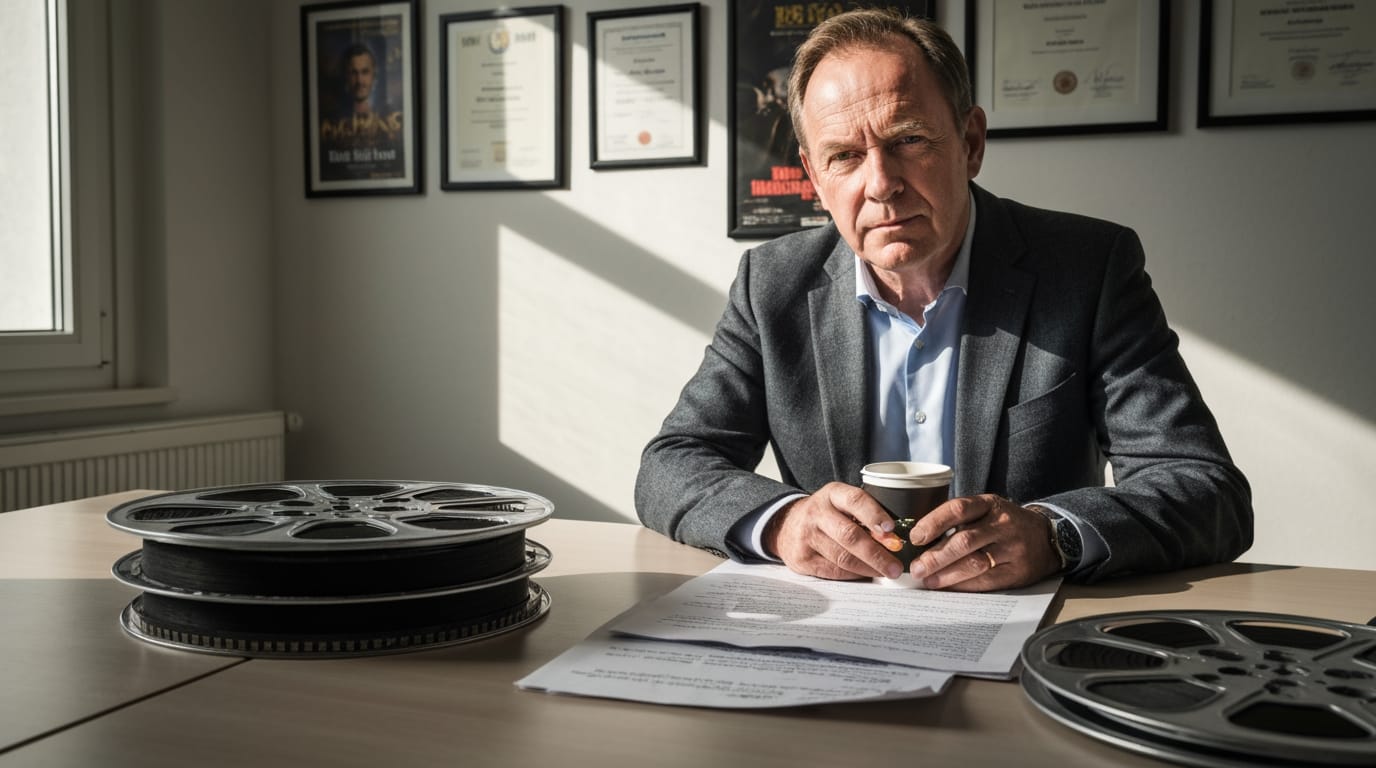
Germany is poised to significantly bolster its position as a major international film production hub with a comprehensive overhaul of its federal film funding programs, highlighted by a near-doubling of its annual budget and the introduction of a new investment obligation for streaming services. These changes, set to infuse hundreds of millions of euros into the industry, aim to attract large-scale international productions and foster a robust domestic creative landscape, potentially reshaping the global cinema and television landscape.
A New Era of Funding for German Productions
The German government has confirmed plans to increase the annual budget for its primary production incentive programs, the German Federal Film Fund (DFFF) and the German Motion Picture Fund (GMPF), from €133 million to a substantial €250 million with immediate effect. This significant financial injection marks a strategic move to enhance Germany's attractiveness for both feature films and high-end television series. The expanded funding schemes are designed to cover up to 30% of approved German production costs, a uniform rate that took effect on February 1, 2025.
The DFFF, managed by the Federal Government Commissioner for Culture and the Media (BKM) to strengthen feature film production, supports national and international co-productions (DFFF I) and production service providers (DFFF II). Under the revised structure, DFFF I can provide grants of up to €5 million for producers, while DFFF II, aimed at service providers like studios and VFX companies, offers a maximum of €25 million per project. Similarly, the GMPF, which focuses on TV films and high-end series not intended for first theatrical release, can now grant up to €5 million for films and an impressive €20 million per season for series. This structure not only incentivizes German-based producers but also makes the country an appealing destination for foreign studios seeking local expertise and infrastructure. Projects such as "Riddick 4: Furya" have already benefited from DFFF incentives, while GMPF has supported series like Apple TV's "Where's Wanda?" and Netflix's "The Empress."
The Mandate for Streamers: Investment Obligation Takes Center Stage
In a parallel and equally impactful development, the German federal cabinet approved a groundbreaking bill on May 27, 2026, introducing an investment obligation for national and international streaming services and video-on-demand (VoD) platforms. Under the new regulations, companies like Netflix, Amazon Prime, and Disney+ will be required to invest at least 8% of their annual net turnover generated in Germany into German and European productions. This mandate is not exclusive to international giants but also applies to domestic broadcasters such as RTL Group and ProSiebenSat.1 Media, as well as public broadcasters ARD and ZDF, with calculations based on their non-linear, on-demand offerings.
The government views this investment obligation as a crucial complement to existing public subsidies, aiming to inject hundreds of millions of euros of private financing into the German film and television industry. State Minister for Culture and Media Wolfram Weimer emphasized that these investment and incentive programs are designed to create stable conditions, enabling the German film industry to compete more effectively on the international stage. Furthermore, officials intend to ensure that a portion of this funding flows specifically into German-language productions, with companies investing over 12% of their revenue facing fewer regulatory requirements.
Industry Reception and Anticipated Impact
The dual approach of increased direct funding and a mandated investment from streaming platforms has garnered a mixed reaction within the German film industry. The additional production incentives have been widely welcomed as a necessary step to boost the industry's competitiveness. Producer Philipp Kreuzer, known for productions like "Nine Perfect Strangers," noted that the grant will make Germany "more lucrative for incoming productions," potentially leading to a dramatic increase in international filming activity within the country.
However, the investment obligation bill has drawn reservations from several industry associations, including the German Producers Alliance, AG DOK, German Film Academy, and PROG Producers of Germany. While acknowledging the intent, they argue that the proposed 8% quota is insufficiently ambitious when compared to the investment levels mandated in other major European markets, which typically range from 13% to 15%. Concerns have also been raised that sub-quotas for new productions could interfere with editorial and business decisions, potentially leading to content being created based on regulatory requirements rather than pure quality or audience interest. Streamers and VoD services have also voiced their opposition to the bill, which includes provisions regarding IP rights, proposing that exclusive rights may be transferred for limited periods depending on a producer's equity share.
Despite these points of contention, the overall goal is to eliminate structural shortcomings and lay the groundwork for long-term value creation, innovation, and sustainable employment in the German film and series industry. Germany has a proven track record of facilitating major productions, having previously co-financed Hollywood blockbusters such as "Mission: Impossible 2" and "The Lord of the Rings" trilogy through its film funds. The new framework aims to build on this legacy.
Future Outlook and Global Competition
The German government's proactive measures reflect a broader trend of increased global competition for film and television production business. Countries worldwide are ramping up their incentive offerings to attract projects, recognizing the significant economic benefits they bring, including job creation, infrastructure development, and tourism. Germany's commitment of €250 million annually, combined with the new investment obligation, positions it strongly against other European nations vying for international productions.
Looking ahead, a new framework of restructured federal film funding pillars is intended to enter into force in 2027. These new pillars will refine the existing DFFF and GMPF regimes, introducing three distinct funding categories: production funding for theatrical film producers, production funding for TV/VoD film and series producers, and dedicated funding for production service providers. This evolution includes lowering minimum total production cost thresholds for certain categories and extending eligibility to all feature-length formats under the service provider pillar, making theatrical release no longer a prerequisite for funding. These ongoing adjustments underscore Germany's dedication to maintaining its competitive edge and fostering a dynamic and diverse audiovisual industry capable of delivering both culturally significant works and commercially successful blockbusters.


