EU Grapples With Shifting Dynamics in Syria and Iran
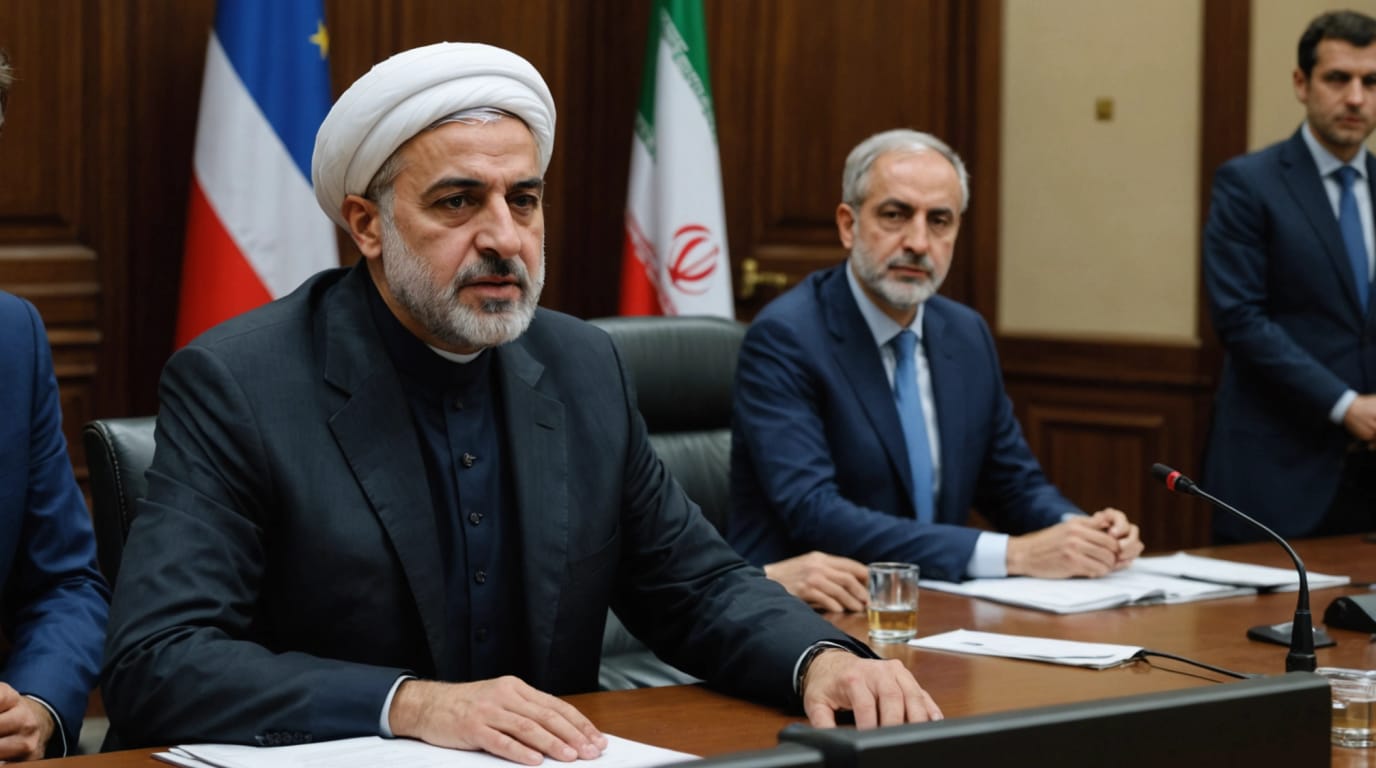
Brussels is at the center of intense diplomatic activity as the European Union navigates complex challenges in both Syria and Iran. With Syria emerging from a brutal civil war and Iran facing renewed scrutiny over its nuclear ambitions, the EU is working to balance humanitarian concerns, security interests, and regional stability.
Syria's Transition: A Cautious Embrace
Following the ouster of President Bashar al-Assad in December 2024 after nearly 14 years of civil war, the EU is cautiously engaging with Syria's new interim government. The EU suspended cooperation with Assad's government in May 2011 due to escalating violence and human rights violations, imposing sanctions and halting financial assistance. Now, the bloc is seeking to play a constructive role in Syria's transition while remaining wary of potential pitfalls.
Donor Conference Aims to Support Peaceful Transition
The EU is hosting a donor conference in Brussels on Monday, March 17, to marshal international support for a peaceful transition in Syria. This marks the first time Syria is participating in such a conference. Representatives from Western partners, regional neighbors, Arab countries, and UN agencies are expected to attend. The conference aims to assist Syria's new leaders in consolidating control over divided territory and rebuilding the country's economy and infrastructure. The United Nations estimated in 2017 that rebuilding Syria would cost at least $250 billion, but experts now believe that figure could reach $400 billion.
Conditions for Lifting Sanctions
The EU has established conditions for lifting sanctions on Syria and providing aid. These include guarantees from the interim government that it is committed to a peaceful, inclusive political future for all minority groups, and that extremism, Russia, and Iran will have no influence. EU foreign policy chief Kaja Kallas emphasized the need for a "stable, peaceful, and all-comprising government" and cautioned that the EU wants to see "deeds" not just "words."
Concerns Over Recent Violence
Despite the overall smooth transition, recent violence has raised concerns. An ambush on a Syrian security patrol by gunmen loyal to Assad triggered clashes, and some factions allied with the new government launched sectarian revenge attacks, primarily targeting members of Assad's Alawite minority sect. Monitoring groups estimate that hundreds of civilians have been killed in recent days. The EU has called for full respect of Syria's sovereignty and an end to the violence. The UN Syria Commission is investigating the recent violence, particularly in coastal areas, and has warned against widespread disinformation online.
Iran: Nuclear Ambitions and Regional Threats
The EU is also grappling with the ongoing challenges posed by Iran's nuclear program and its broader regional activities. While the EU has long focused on Iran's nuclear program, there is growing recognition of the need to address its "malign regional activities and missile program."
Concerns Over Nuclear Program
The Joint Comprehensive Plan of Action (JCPOA), or Iran nuclear deal, was an agreement reached in 2015 between Iran, the UK, China, France, Germany, Russia, and the US to limit Iran's nuclear program in exchange for sanctions relief. However, since the US withdrew from the deal in 2018, Iran has violated its terms, increasing its uranium enrichment activities and expanding its nuclear capabilities. The International Atomic Energy Agency (IAEA) has been prevented from fully monitoring Iran's nuclear activities since February 2021.
EU Efforts to Address Iranian Actions
The EU has imposed sanctions on Iranian companies and airlines and has broadened its sanctions regime to cover Iran's missile program. The EU has also condemned Iran's supply of weapons to Russia for use in the war against Ukraine and has sanctioned Iranian individuals and entities involved in the development and delivery of unmanned aerial vehicles (UAVs).
Seeking a Diplomatic Solution
Despite the challenges, the EU remains committed to finding a diplomatic solution to the Iranian nuclear issue. Some experts suggest that European countries are well-placed to re-establish their historic mediating role between Iran and the US. By building on their experience in engaging with Tehran and finding common ground with the US, Europe can potentially kick-start fresh negotiations on a new deal.
Balancing Act: EU's Role in the Middle East
The EU faces a delicate balancing act in its approach to Syria and Iran. In Syria, the EU is seeking to support a fragile transition while ensuring that humanitarian needs are met and that the country does not become a haven for extremism or a pawn in regional power struggles. In Iran, the EU is working to contain the country's nuclear ambitions and regional activities while seeking to preserve the possibility of a diplomatic resolution.
The EU's foreign policy chief Kaja Kallas has emphasized the need for a comprehensive approach that addresses both the immediate challenges and the long-term goals of stability and security in the Middle East. The EU's ability to navigate these complex issues will have significant implications for the region and for the broader international community.


