EU Grapples with Trust Crisis as Hungary Faces Allegations of Leaking Sensitive Information to Russia
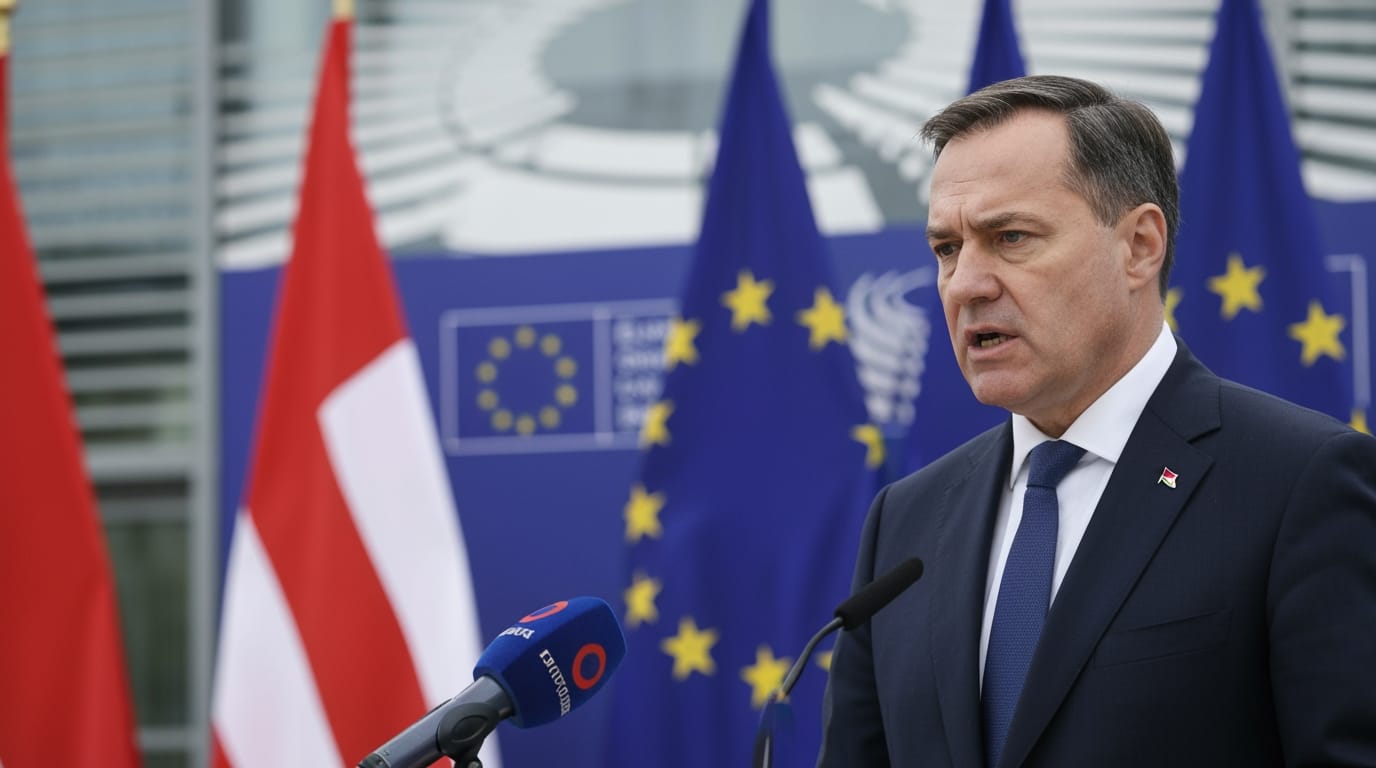
Brussels is in the throes of a significant diplomatic crisis, grappling with deeply concerning reports that Hungary has been systematically leaking confidential European Union discussions to Russia. The allegations, first brought to light by The Washington Post and subsequently corroborated by European diplomatic sources, have cast a shadow over intra-bloc trust and prompted a quiet, yet firm, response from other member states. The revelations surface just weeks before Hungary's pivotal parliamentary election, further complicating the EU's delicate balancing act between upholding security and avoiding interference in domestic politics.
Allegations Unveiled: Breaches of Trust at the Highest Levels
At the heart of the controversy are claims that Hungarian Foreign Minister Péter Szijjártó regularly provided his Russian counterpart, Sergei Lavrov, with details from closed-door EU Council meetings. These alleged briefings, reportedly occurring during breaks in summits, offered Moscow a critical, real-time window into the European Union's internal deliberations, particularly on sensitive geopolitical issues. The European Commission has voiced its "great concern" over the veracity of these reports, emphasizing that "a relationship of trust between member states and between them and the institution is fundamental for the work of the EU." In response, the EU has called upon Hungary to provide immediate clarifications regarding the allegations.
The fallout has been swift, albeit largely unannounced. European Union officials and diplomats have begun limiting Hungary's access to discussions involving highly sensitive and confidential material. This strategic exclusion has manifested in the increased prevalence of "smaller, like-minded group meetings" – often referred to as "breakout formats" – which allow key discussions to proceed without the full 27 member states. Formats such as the E3, E4, Weimar Triangle, NB8, and JEF are increasingly being utilized, effectively sidelining Hungary from critical deliberations. A German foreign ministry spokesperson underscored the seriousness, stating that EU discussions are confidential and any violation would not be tolerated. This shift reflects a profound erosion of trust, with one diplomat noting that such actions "undermine trust, cooperation and the integrity of the European Union," describing the situation as "deplorable." Former Lithuanian Foreign Minister Gabrielius Landsbergis revealed that concerns about Hungary potentially passing information to Russia were already circulating in 2024, leading to advice for counterparts to limit information sharing with Budapest.
Hungary's Vehement Denials and Counter-Accusations
Hungarian officials have vehemently rejected the allegations, dismissing them as a concerted smear campaign. Foreign Minister Szijjártó branded the reports as "fake news," "crazy conspiracy theories," and "propaganda," contending they are politically motivated. He suggested that political opponents, including the main opposition Tisza Party, and Ukraine were behind the accusations, aiming to influence the upcoming April 12 parliamentary elections. János Bóka, Hungary's Minister for Europe, echoed these sentiments, labeling the reports as "fake news" disseminated as a "desperate reaction" to the ruling Fidesz party's momentum in the election campaign.
Prime Minister Viktor Orbán himself criticized The Washington Post report and announced an investigation into what he termed the "wire-tapping" of his foreign minister. He implied that foreign intelligence services might be involved in eavesdropping on Szijjártó, attempting to shift the narrative from alleged leaks to a breach of Hungarian sovereignty.
A Climate of Long-Standing Suspicions and Geopolitical Stakes
The current crisis unfolds against a backdrop of persistent concerns within the EU regarding Hungary's increasingly close ties with Moscow, particularly since Russia's full-scale invasion of Ukraine. Hungary has frequently obstructed EU efforts to provide aid to Ukraine and impose sanctions on Russia, further fueling suspicions about its alignment with the Kremlin. This pattern of behavior has contributed to a growing sense of unease among other member states and complicated Western attempts to present a unified front against Russian aggression.
Polish Prime Minister Donald Tusk, a veteran of EU Council meetings, stated that the allegations "shouldn't come as a surprise to anyone," reflecting long-standing suspicions among European leaders. Tusk admitted that such concerns have previously influenced his own conduct during high-level discussions, leading him to limit his interventions to only what was strictly necessary. Adding another layer to the complex intelligence landscape, reports have even surfaced alleging that Russian foreign intelligence had considered staging an assassination attempt on Prime Minister Orbán to boost his public support, an operation reportedly dubbed "the Gamechanger." Such claims underscore the highly charged environment surrounding Hungary's relationship with both the EU and Russia.
Domestic Political Ramifications and the Looming Election
The timing of these allegations is particularly sensitive, occurring just weeks before Hungary's parliamentary election on April 12. Prime Minister Orbán's Fidesz party faces a significant challenge from opposition leader Péter Magyar and his Tisza Party, which has gained considerable traction in recent polls. Magyar has capitalized on the reports, openly describing the alleged sharing of confidential information as "pure treason" and vowing to launch an immediate investigation should his party form the next government.
Despite the gravity of the accusations, many EU officials have indicated that formal action or public condemnation will likely be withheld until after the election. This cautious approach stems from a desire to avoid any perception of interfering in Hungary's domestic political process, which could inadvertently play into Orbán's hands and bolster his narrative of being targeted by external forces. The broader concerns about potential Russian interference in the Hungarian elections, including controversies surrounding the role of a former Putin interpreter in an OSCE monitoring mission, further highlight the fragility of the political landscape.
The deepening intelligence row between Brussels and Budapest signals a significant moment of introspection for the European Union. The alleged leaks, coupled with Hungary's robust denials and counter-allegations, expose deep fissures in trust and cooperation within the bloc at a critical geopolitical juncture. While the immediate focus remains on navigating the sensitive period leading up to the Hungarian elections, the longer-term implications for EU unity, intelligence sharing protocols, and its ability to maintain a cohesive front against external threats are substantial. The outcome of this diplomatic challenge will undoubtedly shape the future dynamics of trust and collaboration among member states, profoundly impacting the EU's collective security and foreign policy agenda.


