EU Imposes New €3 Duty on Low-Value Imports in Sweeping E-commerce Overhaul
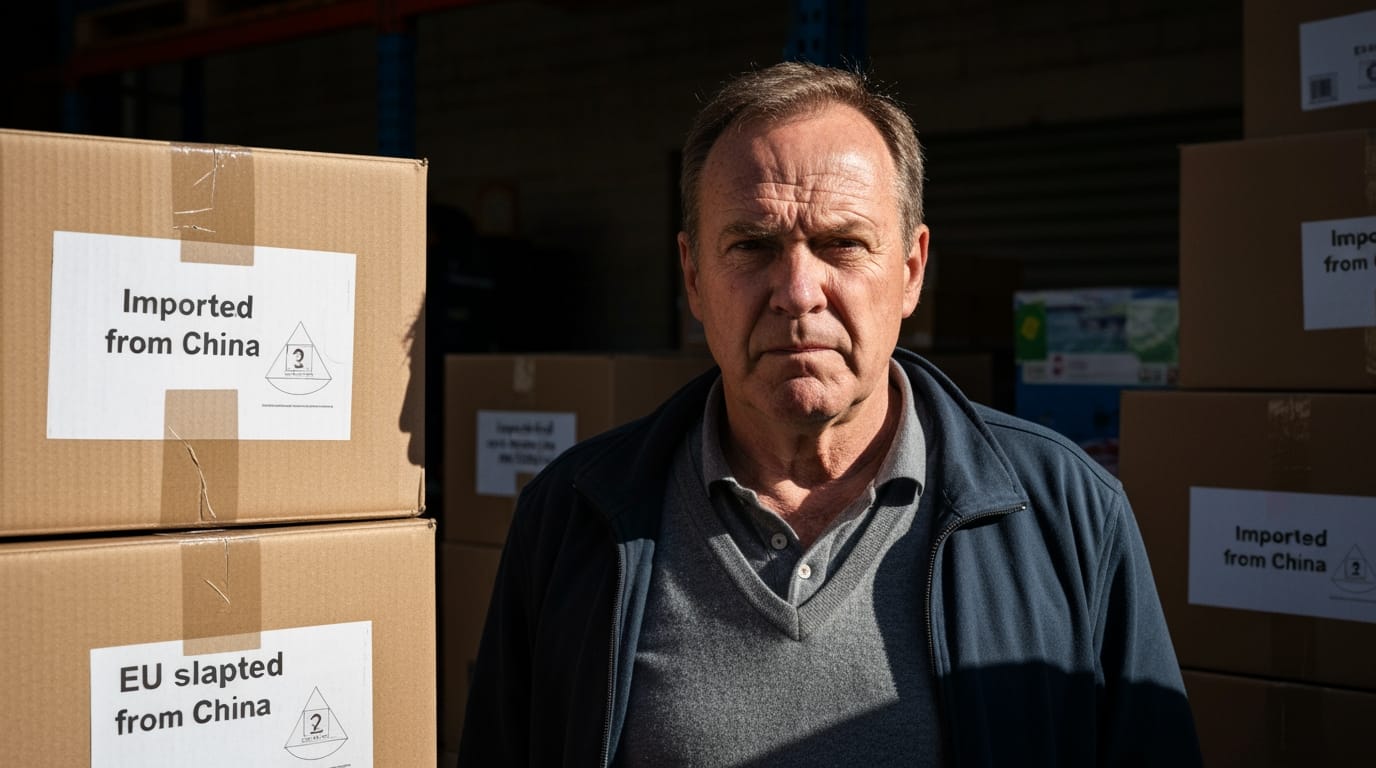
Brussels, Belgium – The European Union has ushered in a significant change to its cross-border e-commerce landscape, implementing a new €3 customs duty on millions of low-value imported packages effective July 1, 2026. This move, part of a broader customs reform initiative, aims to level the playing field for European businesses, combat widespread import fraud, and protect consumers from non-compliant goods flooding the market. The uniform charge replaces a long-standing exemption, signaling a stricter approach to the burgeoning volume of online purchases from outside the bloc.
A New Reality for EU Imports
As of Wednesday, July 1, 2026, goods purchased online from non-EU countries and valued at €150 or less are subject to a flat €3 customs duty. This measure marks the end of the "de minimis" exemption, which previously allowed these low-value shipments to enter the EU without incurring customs duties. The previous system, in place for decades, notably saw a VAT exemption for goods under €22 abolished in July 2021, alongside the introduction of the Import One-Stop Shop (IOSS) to simplify VAT collection.
Crucially, this new €3 duty is applied per item based on its customs tariff classification, not per parcel. This means a single package containing multiple different types of goods could incur several €3 charges. For instance, a parcel with a cotton T-shirt and a watch, which fall under different tariff headings, would be subject to a €6 duty (€3 for each item). If a package contains five identical T-shirts, it would typically result in a single €3 charge as they share the same classification. The responsibility for declaring and paying this duty lies with the seller or importer during the customs process. The European Commission has indicated that this temporary duty will remain in force until a more comprehensive, permanent customs system, agreed upon in late 2025, fully abolishes the €150 customs duty exemption and applies standard tariffs to all low-value imports.
Why the Shift? Leveling the Playing Field and Protecting Consumers
The introduction of this duty is a direct response to the explosive growth of cross-border e-commerce and long-standing concerns about market distortions. EU officials have highlighted that the number of low-value parcels entering the bloc quadrupled between 2022 and 2025, surging from 1.3 billion to an estimated 5.9 billion. A substantial 90% of these imports originate from China, with online platforms such as Shein and Temu significantly impacting European retailers.
The primary motivation behind the duty is to create a fairer competitive environment for EU businesses and high street retailers, who have long argued they face an unfair disadvantage against non-EU sellers. These external sellers often benefited from the previous duty exemption, enabling them to offer goods at lower prices.
Beyond fair competition, the new measure aims to tackle pervasive customs fraud, including undervaluation and false declarations, which have cost EU member states significant revenue. Furthermore, consumer protection is a key driver. The Commission points to alarming statistics, such as 60% of professional personal protective equipment (PPE) and up to 97% of tested cosmetics from certain e-commerce platforms failing to comply with EU safety standards. The new duty, along with enhanced scrutiny, seeks to prevent unsafe or non-compliant products from reaching European consumers. The EU hopes this change will encourage consumers to "think twice" before purchasing very low-value items and will deter non-EU retailers from easily bypassing compliance.
Impact on Shoppers and Sellers
For consumers, the immediate impact will be an increase in the final price of many low-value goods imported from outside the EU. While a €3 charge might seem small, it can become significant, especially for multi-item orders where each item falls under a different tariff classification. Given that the average value per line item in this segment was around €8.82 in 2025, the fixed €3 charge represents a considerable percentage increase for inexpensive purchases. Consumers who placed orders before July 1, 2026, but whose parcels clear customs on or after that date will still be subject to the new duty. This could lead to a shift in purchasing habits, particularly for highly price-sensitive items.
Non-EU sellers and e-commerce platforms face a new layer of administrative complexity and increased compliance burdens. They are now required to make customs declarations for all packages, a process that can be complicated. This additional cost per transaction could reduce the attractiveness of direct-to-consumer imports, potentially prompting a shift towards more EU-based fulfillment strategies where businesses establish warehouses within the bloc to avoid import duties. Some major online retailers, such as Shein, are already exploring restructuring their business models, with moves like opening distribution centers within the EU. Returns are also expected to become more complex and potentially costlier under the new regulations.
Part of a Broader Reform
The €3 customs duty is not an isolated measure but an integral part of the European Union's comprehensive customs reform agenda. This broader initiative seeks to modernize customs procedures, strengthen the single market, and ensure all businesses operating within the EU adhere to safety and compliance standards.
The current changes build upon the July 2021 implementation of the Import One-Stop Shop (IOSS) system, which streamlines VAT collection for goods valued up to €150. The IOSS allows non-EU sellers to collect and remit VAT at the point of sale, simplifying the process for both businesses and consumers. The new €3 duty primarily applies to the vast majority (around 93%) of e-commerce imports facilitated through this IOSS system.
Further changes are anticipated in the coming months and years. Discussions are ongoing regarding an additional €2 handling fee per consignment, expected to be introduced later in 2026. From November 2026, product identifiers (PIDs) will become mandatory for goods sold via imported distance sales, aiming to assist authorities in recognizing products and identifying those that do not meet EU requirements. These reforms are paving the way for the EU Customs Data Hub and a more digital, centralized customs framework, which is projected to be fully operational by 2028.
Conclusion
The European Union's imposition of a €3 customs duty on low-value imported packages signifies a resolute step towards reforming its e-commerce import framework. By eliminating the de minimis customs duty exemption, the EU aims to create a more equitable trading environment for its businesses, reduce the prevalence of customs fraud, and bolster consumer protection against unsafe products. While the immediate effects will be felt by both consumers through increased costs and by non-EU sellers through heightened compliance demands, these measures are foundational to the EU's long-term vision for a transparent, fair, and secure digital single market. The temporary nature of this initial €3 charge underscores the ongoing evolution of EU customs policy, with further reforms anticipated to solidify these objectives.


