EU Intensifies Focus on Central Asia in Pursuit of Critical Raw Materials
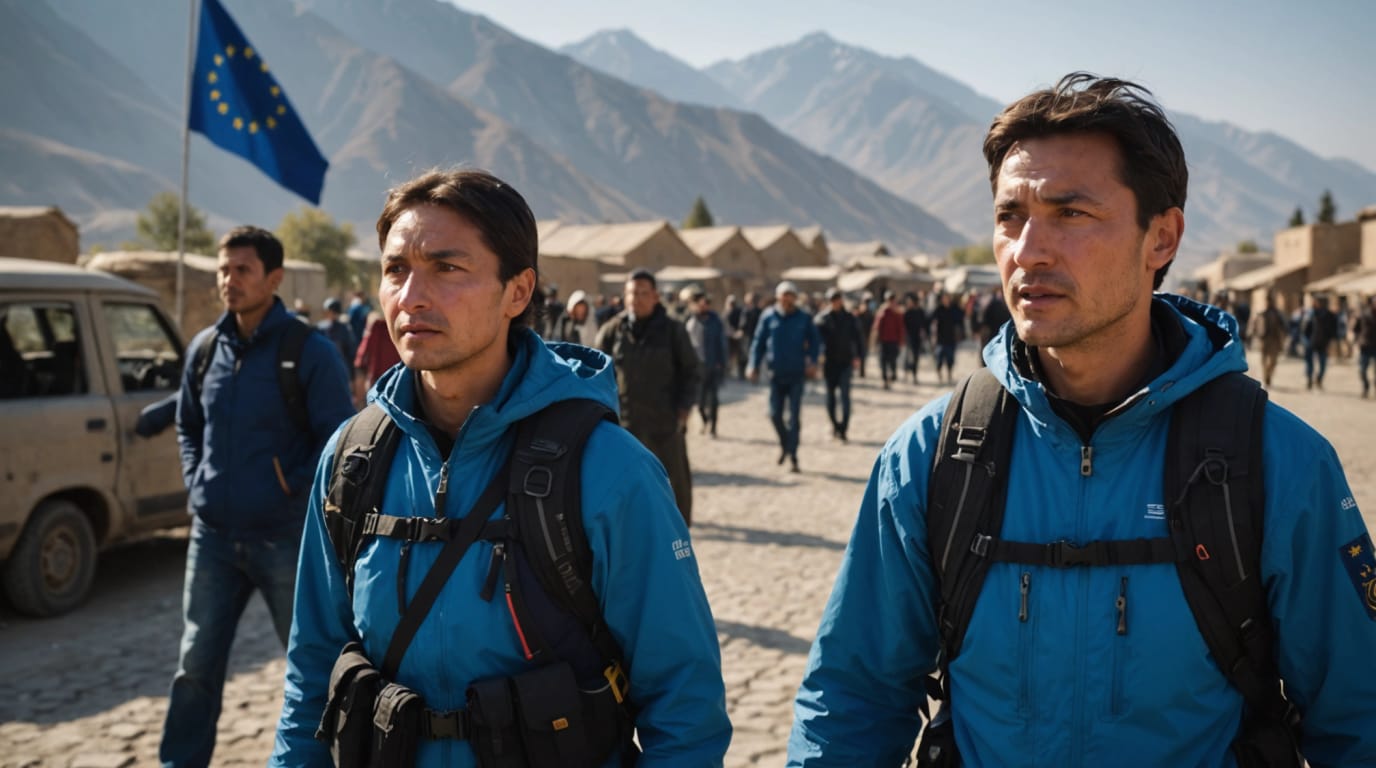
In a strategic move to secure its supply chains and fuel its green and digital transitions, the European Union is increasingly turning its attention to Central Asia's vast reserves of critical raw materials. As demand for these resources surges, the EU is forging partnerships with countries like Kazakhstan and Uzbekistan, aiming to diversify its supply and reduce reliance on a limited number of global suppliers. This intensified engagement promises significant economic opportunities for Central Asia, but also raises questions about sustainability and geopolitical implications.
The Critical Raw Materials Imperative
The EU's appetite for critical raw materials (CRMs) is set to explode in the coming years. Lithium demand, essential for batteries in electric vehicles and energy storage systems, is projected to increase twelvefold by 2030. Similarly, the need for rare earth elements (REEs), vital for various high-tech applications, could increase sixfold. These materials are the building blocks of the EU's ambitious green and digital agendas, underpinning everything from renewable energy infrastructure to advanced electronics.
Recognizing the strategic importance of securing a stable supply of CRMs, the EU has identified Central Asia as a key region. Kazakhstan, in particular, stands out due to its substantial deposits of various CRMs, including rare earth elements, chromium, and tungsten. Uzbekistan also holds significant potential, with its underexplored reserves of copper and REEs attracting foreign investment. Kazakhstan currently produces 19 of the 34 CRMs deemed critical by the EU and is poised to expand to 21. Uzbekistan ranks as the world's fifth-largest uranium supplier and is also rich in silver, titanium, molybdenum, and gold.
Forging Partnerships and Investment
The EU has formalized its commitment to Central Asia through Memorandums of Understanding (MoUs) on critical raw materials with Kazakhstan and Uzbekistan. These agreements signal a deepening of cooperation and pave the way for increased investment in exploration, extraction, and processing infrastructure. The EU's Global Gateway Strategy, which aims to mobilize 300 billion euros in public and private investments globally by 2027, has identified Central Asia as a priority region, with a focus on transport, critical raw materials, digital connectivity, and the water-energy-climate nexus.
Several agreements have already been signed to bolster EU-Central Asia cooperation in the CRM sector. A 3 million euro contract aims to promote advanced extraction technologies and sustainable standards. Additionally, a 200 million euro framework loan agreement between the European Investment Bank (EIB) and the Development Bank of Kazakhstan (DBK) will advance investments in sustainable transport and renewable energy projects.
Opportunities and Challenges for Central Asia
The EU's focus on Central Asia presents significant opportunities for the region's economic development. Increased investment in the mining sector can create jobs, foster innovation, and strengthen local industries. By aligning with European sustainability standards, Central Asian countries can modernize their mining sectors and attract further foreign investment.
However, the rush for raw materials also poses challenges. Ensuring sustainable extraction practices is crucial to mitigate environmental risks and protect local communities. Balancing economic development with environmental protection will be a key consideration for Central Asian governments.
Geopolitical Implications
The EU's engagement with Central Asia also has broader geopolitical implications. By diversifying its supply chains, the EU aims to reduce its dependence on a limited number of suppliers, enhancing its strategic autonomy. This move comes amid growing concerns about supply chain vulnerabilities and geopolitical tensions.
Central Asia's strategic location and resource wealth make it a key player in the evolving global landscape. As the EU deepens its ties with the region, it is likely to face competition from other major powers, including China and Russia, who also have significant interests in Central Asia.
A New Era of Cooperation
The EU's intensified focus on Central Asia marks a new era of cooperation between the two regions. As the EU seeks to secure its supply of critical raw materials and Central Asia aims to diversify its economies, both sides stand to benefit from closer collaboration. However, navigating the challenges of sustainable development and geopolitical competition will be essential to ensure a mutually beneficial partnership. The upcoming EU – Central Asia summit in Samarkand on April 3-4, 2025, signals a robust political commitment from both regions to a deeper and stronger partnership. The summit is expected to endorse a joint declaration of intent aimed at elevating cooperation beyond existing bilateral frameworks, attracting investors, developing local industry and creating jobs.


