EU Leaders Convene Emergency Summit to Bolster Defense Amidst Shifting Geopolitical Landscape
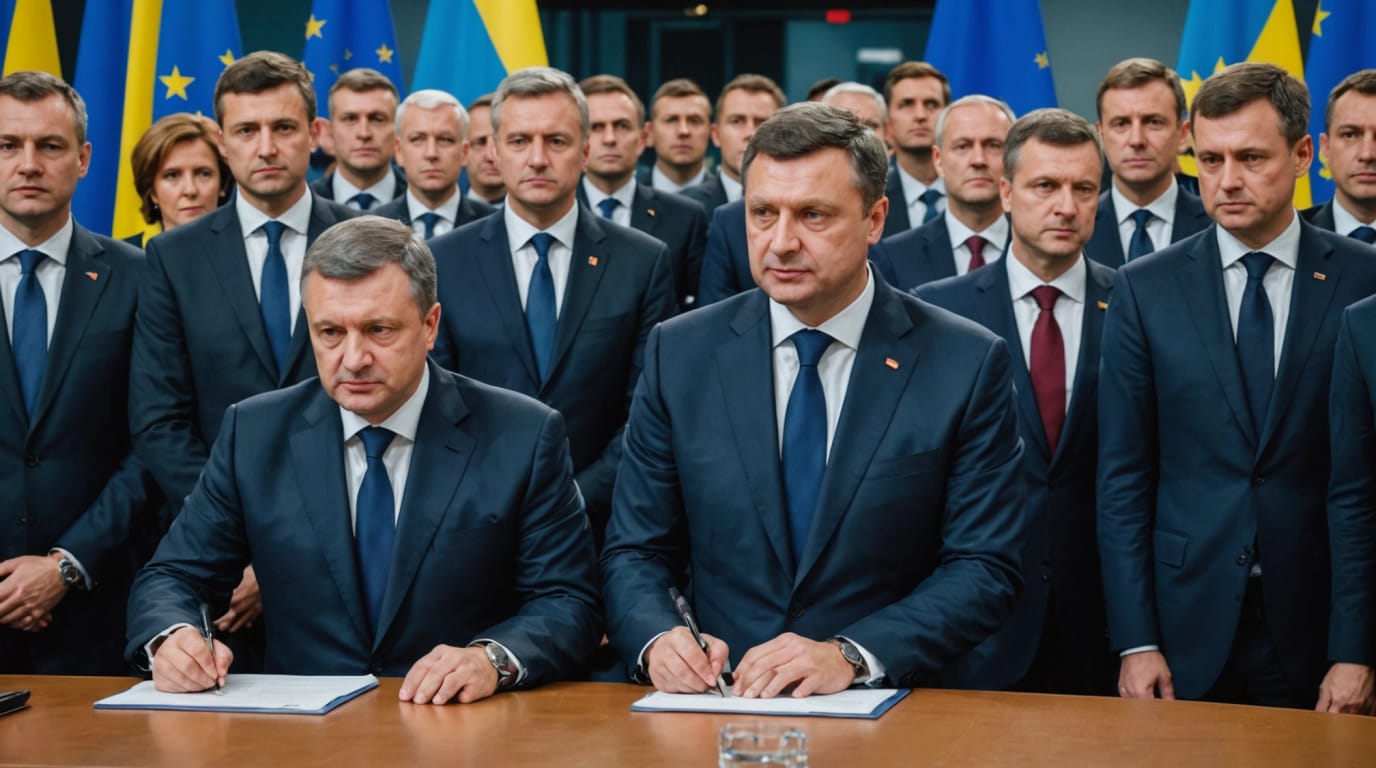
BRUSSELS – European Union leaders are meeting in Brussels today for an emergency summit focused on bolstering European defense capabilities and reaffirming support for Ukraine, as the continent grapples with a rapidly evolving security environment. The meeting comes in the wake of a shift in U.S. foreign policy, including a pause in military aid to Ukraine, prompting European leaders to seek greater autonomy in defense matters.
Trump's Policy Shift Spurs European Action
The impetus for the summit stems from recent decisions made by the Trump administration, which have cast doubt on the reliability of the United States as a security partner. President Trump's embrace of Russia and suspension of military assistance to Ukraine have triggered alarm bells in European capitals. These actions have forced EU leaders to confront the reality that Europe may need to assume greater responsibility for its own security.
European Commission President Ursula von der Leyen, in a letter to the EU's 27 leaders, warned of a "clear and present danger" facing Europe, emphasizing the need to reassess fundamental assumptions about security. The summit aims to address these concerns by exploring ways to increase military budgets and ease restrictions on defense spending.
Von der Leyen's €800 Billion "Rearm Europe" Plan
A central proposal under consideration is European Commission President Ursula von der Leyen's "Rearm Europe Plan," which envisions mobilizing up to €800 billion to finance a significant ramp-up in defense spending across member states. The plan seeks to address both the immediate need to support Ukraine and the long-term imperative of strengthening European security.
The "Rearm Europe Plan" includes a "new instrument" to raise €150 billion on the markets, providing loans to member states for investments in critical capabilities such as missile defense, artillery systems, drones, and military mobility. This instrument would be established under Article 122 of the Treaty of the EU, allowing the bloc to provide financial assistance to member states facing exceptional circumstances.
Addressing Internal Divisions
One of the key challenges facing the EU is forging a united front on defense policy. Achieving consensus among the 27 member states, each with its own security priorities and budgetary constraints, will be crucial for the success of any collective effort.
Defense spending levels vary significantly across the EU, with some countries, like Poland, allocating over 4% of their GDP to defense, while others, like Spain, spend just over 1%. Bridging these disparities and ensuring a fair distribution of the financial burden will be essential for building a stronger and more cohesive European defense.
Zelenskyy's Presence Underscores Ukraine's Plight
Ukrainian President Volodymyr Zelenskyy has been invited to address the summit, either in person or virtually, underscoring the urgency of the situation in Ukraine. The EU leaders will discuss how to further support Ukraine and explore potential security guarantees to ensure a lasting peace.
Ukraine continues to battle Russian advances along the front line, with tens of thousands of soldiers and civilians killed since the start of the conflict. The suspension of U.S. military aid has placed additional strain on Ukraine's defense capabilities, making European support even more critical.
Potential for a European Military Force
Discussions are also underway regarding the potential formation of a European military force to deploy to Ukraine as part of a cease-fire or peace agreement. While some countries, including Britain and France, have expressed willingness to contribute troops, the details of such a force remain under consideration.
The summit marks a pivotal moment for the European Union as it seeks to adapt to a changing geopolitical landscape and assume greater responsibility for its own security. The decisions made in Brussels this week will have far-reaching implications for the future of European defense and the EU's role in the world.


