EU-Mercosur Trade Deal: A Precarious Balance Between Economic Ambition and Environmental Stewardship
After more than two decades of complex negotiations, the European Union and the Mercosur bloc are on the cusp of finalizing a trade agreement poised to create one of the world's largest free-trade zones. While proponents laud the deal as a significant economic and geopolitical triumph, paving the way for increased trade and diversified supply chains, it simultaneously ignites fervent debate over its profound environmental implications, particularly concerning deforestation and climate change in South America. The core question remains whether the agreement's ambitious sustainability pledges can genuinely mitigate the potential ecological costs of increased commerce.
A Landmark Deal in a Shifting Global Landscape
The EU-Mercosur agreement, encompassing Argentina, Brazil, Paraguay, and Uruguay, represents a monumental effort to foster economic integration between two vast regions. First struck in principle in 2019, the deal aims to liberalize trade across various sectors, from industrial goods to agricultural products, and deepen political and cultural ties. Proponents highlight its role in enhancing competitiveness for EU industries, diversifying supply chains, and securing access to critical raw materials, while also providing Mercosur countries with greater access to European markets. The agreement comes at a time of global instability, with the EU seeking reliable economic partners and strategic trade diversification. As of January 2026, a significant step forward was taken with Member States moving towards approval, and the agreement is now awaiting ratification by the European Parliament and national parliaments.
Deforestation and Climate: The Core of Environmental Concern
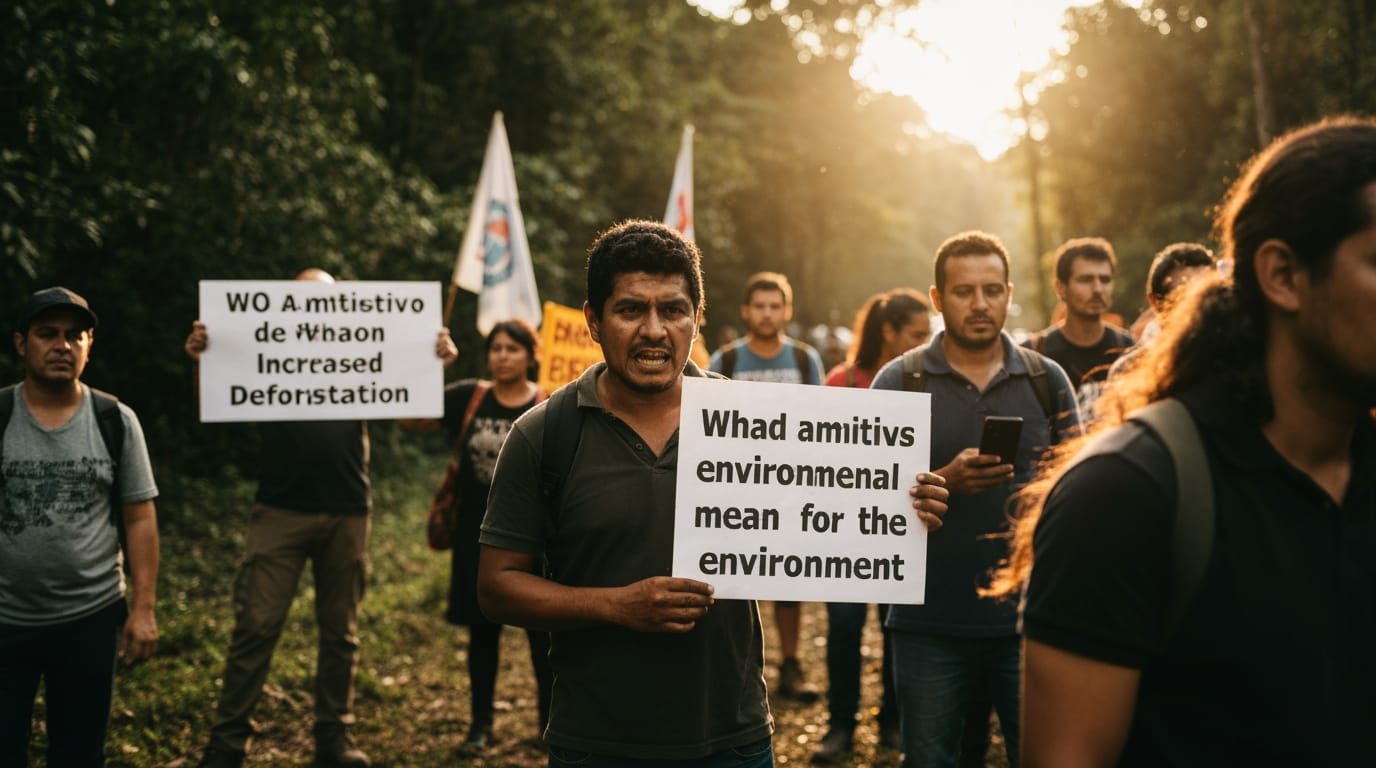
At the heart of the environmental controversy lies the concern that the trade agreement could accelerate deforestation and biodiversity loss in Mercosur countries. Critics argue that by boosting exports of agricultural commodities such as beef, soy, and bioethanol to the EU, the deal incentivizes the expansion of agricultural frontiers, often at the expense of vital ecosystems like the Amazon rainforest and the Cerrado savanna. Studies suggest that increased beef imports from Mercosur, estimated to rise by up to 99,000 tonnes per year, could lead to the destruction of hundreds of thousands of hectares of forests. Brazil, Paraguay, and Argentina are already among the top ten countries globally for deforestation rates, with Brazil's Amazon deforestation surging in recent years. This potential increase in land conversion for agriculture directly contradicts global efforts to combat climate change, given that deforestation is a significant contributor to greenhouse gas emissions. Environmental groups and civil society organizations have consistently voiced strong opposition, citing the agreement's potential to undermine global climate goals and jeopardize vulnerable communities.
The Promise of Sustainability Clauses vs. Skepticism
In response to widespread environmental concerns, the agreement includes a dedicated Trade and Sustainable Development (TSD) chapter. This chapter explicitly incorporates the Paris Climate Agreement as an "essential element" of the deal, meaning a serious breach or withdrawal from the Paris Agreement by a party could lead to the suspension of the trade deal itself. The TSD chapter also includes commitments to combat illegal logging, tackle deforestation, preserve biodiversity, and uphold international labor standards. Proponents emphasize that these provisions represent a significant step towards ensuring trade promotes sustainable development and allow for joint projects to improve environmental protection. Furthermore, the EU maintains that, as of the end of 2026, only deforestation-free products will be allowed into the EU market, a rule that will apply to imports under the EU-Mercosur deal.
However, skepticism abounds regarding the enforceability and effectiveness of these sustainability clauses. Critics argue that the commitments within the TSD chapter are often vague, largely voluntary, and lack robust, legally binding mechanisms for accountability. Concerns have also been raised that the agreement might inadvertently weaken the EU's own ambitious environmental policies, such as the EU Deforestation Regulation (EUDR), which aims to prevent European companies from importing products linked to deforestation. Some analyses suggest that concessions made during negotiations could lead to inconsistencies in implementing the EUDR or expose EU Member States to trade disputes when enforcing their obligations. The absence of a chapter on sustainable food systems, unlike newer EU trade agreements, has also been highlighted as a notable deficiency.
Economic Motivations and Competing Pressures
Beyond the environmental debate, economic considerations heavily influence the positions of both blocs. For the EU, the deal offers reduced tariffs on industrial exports such as automotive, machinery, chemicals, and pharmaceuticals, while also providing opportunities for diversified sourcing of critical raw materials like lithium, niobium, and rare earth metals. On the other side, Mercosur countries anticipate significant gains from increased access for their agricultural products to the European market.
Yet, these economic incentives create internal friction. European farmers, particularly in countries like France and Ireland, express significant apprehension about facing unfair competition from Mercosur agricultural products, which are often produced under less stringent environmental, animal welfare, and labor standards. They fear that an influx of cheaper imports could undercut their markets, despite assurances of safeguard clauses and limited tariff-free quotas for sensitive products like beef and poultry. The EU has introduced additional safeguard measures and a potential fund to address concerns of its farmers, but the fundamental issue of differing production standards remains a contentious point.
A Path Forward Amidst Persistent Questions
The EU-Mercosur trade agreement represents a complex tapestry woven with threads of economic opportunity, geopolitical strategy, and profound environmental responsibility. While the deal promises to forge stronger ties and economic growth, its ultimate environmental footprint remains a subject of intense scrutiny and uncertainty. The effectiveness of its sustainability provisions, particularly in halting deforestation and ensuring compliance with climate commitments, will hinge critically on rigorous implementation, transparent monitoring, and robust enforcement mechanisms.
The ongoing debate underscores the broader challenge of reconciling global trade liberalization with urgent environmental protection goals. As the agreement moves towards final ratification, the international community will closely observe whether the EU-Mercosur deal can genuinely serve as a model for sustainable trade, or if it will inadvertently exacerbate the very environmental crises it claims to address. The balancing act between economic ambition and environmental stewardship will define the legacy of this historic agreement.


