EU Mobilizes Billions in Urgent Bid to Secure Critical Rare Earth Supply, Diminish China Reliance
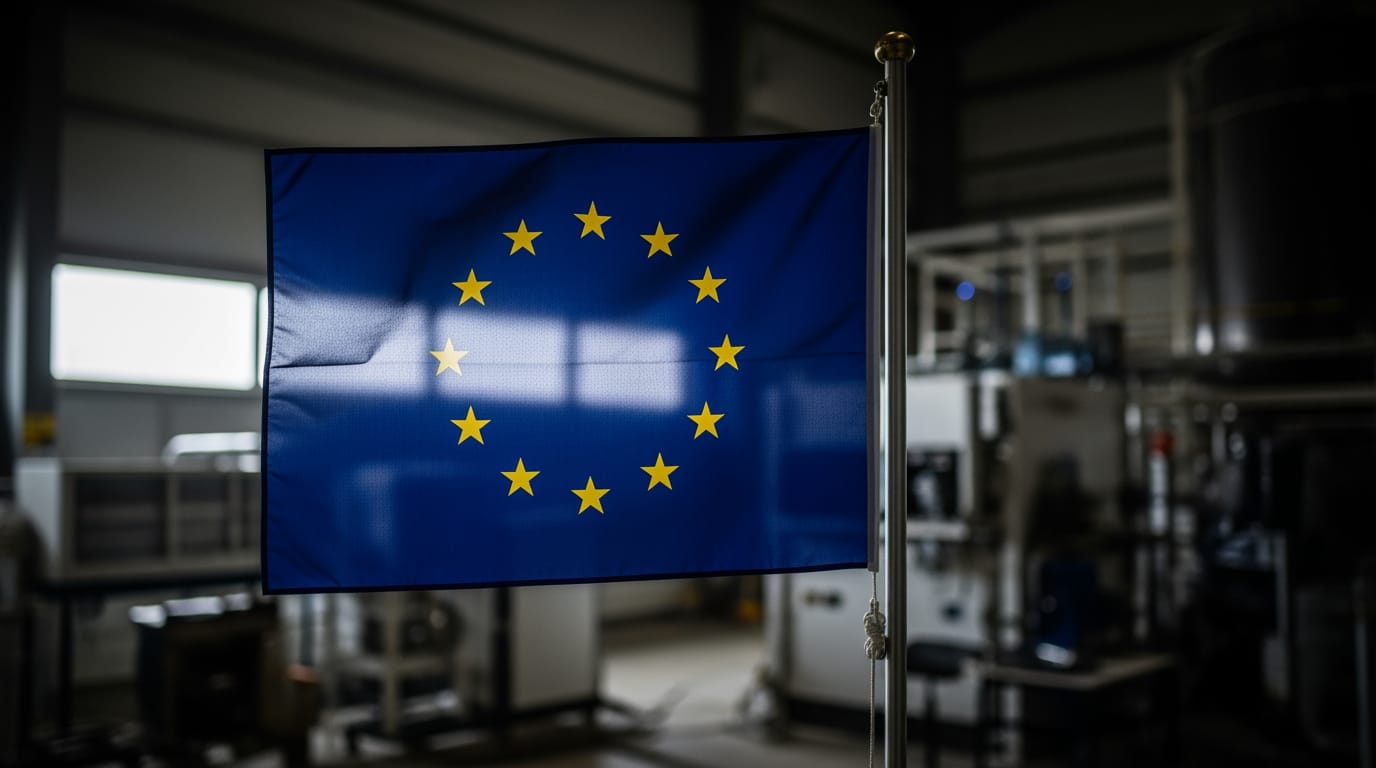
Brussels, Belgium – The European Union has unveiled a robust, multi-billion-euro strategy to dramatically reduce its profound dependency on China for rare earth elements and other critical raw materials. This ambitious initiative, dubbed the RESourceEU Action Plan, represents a decisive pivot in European industrial policy, seeking to fortify the bloc's economic security and safeguard its burgeoning green and digital transitions from geopolitical vulnerabilities.
With an immediate allocation of up to €3 billion over the next 12 months, the European Commission aims to fast-track strategic projects in mining, refining, and recycling, both within Europe and in partner countries. The move comes in direct response to increasing geopolitical tensions and what senior EU officials describe as the "weaponization of supply chains" by dominant market players, most notably China, which currently holds a near monopoly on several vital stages of the rare earth value chain.
The Geopolitical Imperative: Unpacking Europe's Vulnerability
Rare earth elements, a group of 17 specialty metals, are indispensable components in a vast array of modern technologies. They are found in electric vehicles, wind turbines, smartphones, advanced sensors, and defense systems. Despite being a global manufacturing leader in products like automotive traction motors and wind turbines, the EU currently produces virtually no rare earth elements itself and imports between 90-98% of its rare earth magnet demand from China. This stark reliance creates a critical strategic vulnerability, exposing European industries to significant supply chain risks and potential economic coercion.
China's dominance spans the entire rare earth value chain, from mining to advanced processing and magnet manufacturing. In 2023, China accounted for approximately 69% of global rare earth ore production, 85% of purified light rare earths, and 100% of heavy rare earths. Its control extends to 94% of global magnet making capacity. Recent actions by Beijing, including new export controls on key elements, have underscored the urgency for Europe to diversify its sources and build domestic capabilities. These disruptions have already impacted European manufacturers in sectors such as automotive and electronics, causing concerns about potential production slowdowns or interruptions.
RESourceEU: A Comprehensive Framework for Autonomy
The newly adopted RESourceEU Action Plan builds upon the existing Critical Raw Materials Act (CRMA), which was formally adopted in March 2024 and entered into force in June 2024. The CRMA established ambitious targets for domestic extraction, processing, and recycling of strategic raw materials by 2030, aiming for at least 10% of EU annual demand from domestic extraction, 40% from domestic processing, and 25% from domestic recycling, with no more than 65% dependence on a single third country at any point in the supply chain.
RESourceEU is designed to accelerate the implementation of these goals through several key mechanisms:
- Financial Mobilization: The Commission will unlock nearly €3 billion to support strategic projects in critical raw materials. This funding is intended to de-risk investments and fast-track projects that can rapidly provide alternative supplies. The European Investment Bank (EIB) is expected to provide substantial financial support, including €2 billion annually in loans and venture debt. This financial muscle aims to incentivize private sector involvement and reduce the cost differential often associated with non-Chinese sources.
- European Critical Raw Materials Centre (ECRMC): Scheduled to be operational in early 2026, this new center will serve as the bloc's central supply hub, providing market intelligence, steering and financing strategic projects, and acting as a portfolio manager for diversified supply chains. It will also coordinate joint purchasing on behalf of member states and manage strategic stockpiles and emergency deliveries.
- Regulatory Streamlining and Bottleneck Removal: The plan addresses the lengthy permitting processes that have historically hindered mining and processing projects within the EU. It aims to fast-track relevant projects and remove regulatory obstacles, recognizing that domestic extraction projects often take many years to become operational.
- Recycling and Circularity: To boost Europe's recycling capacity, the Commission plans to introduce restrictions on the export of scraps and waste from permanent magnets, starting in early 2026. This measure aims to retain valuable secondary raw materials within the EU, providing feedstock for domestic recycling industries. The recycling of rare earth wastes could potentially meet 20% of the EU's annual permanent magnet requirements.
Diversification and International Partnerships
Beyond domestic efforts, a crucial pillar of the RESourceEU plan is the diversification of supply sources through strengthened international partnerships. The EU currently has 15 strategic partnerships with resource-rich countries, with South Africa being the most recent addition, and negotiations are underway with Brazil. These collaborations aim to secure access to critical materials while also fostering economic development in partner nations.
The EU is actively pursuing partnerships with countries like Australia and Canada, which possess significant rare earth deposits but often lack the advanced processing capabilities found in China. Such relationships involve substantial infrastructure investment and technology transfer agreements. Efforts are also being directed towards investment projects under the Global Gateway initiative with emerging markets and developing economies. The strategy recognizes that while domestic production is vital, it cannot fully meet the anticipated surge in demand for critical minerals, especially with the accelerating transition to clean energy technologies.
Economic and Environmental Realities
The EU's push for rare earth autonomy carries significant economic and environmental implications. On the economic front, increased domestic mining, processing, and recycling are expected to create new jobs and foster industrial innovation within the bloc. Companies like Vulcan's lithium extraction project in Germany and Greenland Resources' Malmbjerg molybdenum project have already received financial support, signaling concrete steps toward localized production.
However, challenges remain. The cost of non-Chinese rare earths can be higher, and environmental regulations within the EU can make processing more expensive and time-consuming compared to regions with less stringent standards. Europe must balance its supply chain security objectives with its ambitious climate commitments, ensuring that increased mining and processing are conducted sustainably. Nevertheless, the strategic importance of these materials for industries ranging from defense to renewable energy outweighs the complexities, making this a critical investment in Europe's future.
Conclusion: A Long Road Ahead
The European Union's multi-billion-euro commitment to securing its rare earth supply represents a landmark moment in its pursuit of strategic autonomy. By coupling substantial financial investment with regulatory reforms and a robust international partnership strategy, Brussels aims to dismantle its concentrated reliance on China and foster a more resilient and sustainable critical raw materials ecosystem. While the path to full independence will be long and fraught with challenges, the RESourceEU Action Plan signifies a clear and urgent determination to protect Europe's industrial base and ensure its leadership in the green and digital transformations of the 21st century. The success of this endeavor will hinge on effective coordination between member states, sustained political will, and the ability to attract significant private investment to these vital projects.


