Senate Delivers Bipartisan Rebuke to White House, Calls for End to Iran Hostilities
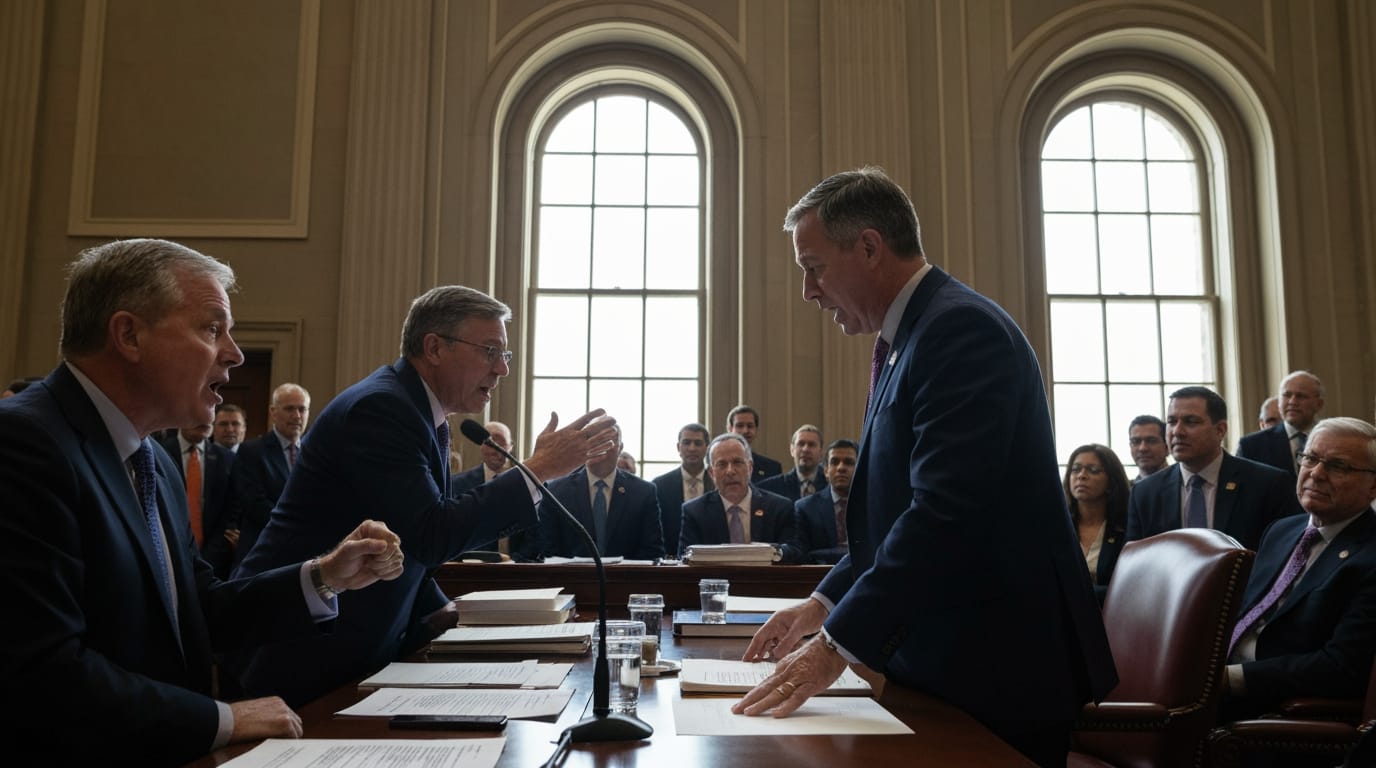
Washington, D.C. — In a rare and significant move, the U.S. Senate has approved a War Powers Resolution aimed at curtailing presidential military action against Iran without explicit congressional authorization. The vote marks the first time such a measure has successfully cleared both chambers of Congress, sending a powerful, albeit potentially symbolic, message to the executive branch regarding its authority to engage in military conflict. The bipartisan passage underscores growing congressional assertiveness on matters of war and peace, particularly concerning long-standing tensions with Iran.
The resolution, which previously passed the House of Representatives, directs the President to remove United States Armed Forces from hostilities within or against Iran, unless Congress has issued a declaration of war or a specific authorization for the use of military force. This legislative action follows years of escalating friction between the U.S. and Iran, a period punctuated by military confrontations and a consistent push by some lawmakers to reclaim Congress's constitutional prerogative on war-making. The vote comes amid continued efforts by the Trump administration to negotiate a peace agreement with Iran.
Historic Bipartisan Passage
The Senate's vote on Tuesday was 50-48 in favor of the resolution. Its passage hinged on a notable defection of four Republican senators—Susan Collins of Maine, Lisa Murkowski of Alaska, Rand Paul of Kentucky, and Bill Cassidy of Louisiana—who joined the majority of Democrats. This bipartisan cooperation highlighted a shared concern across the political spectrum about the scope of presidential war powers. Conversely, one Democrat, Senator John Fetterman of Pennsylvania, voted against the measure. The absence of two Republican senators, Mitch McConnell and Dave McCormick, also played a role in securing the resolution's narrow passage.
This recent vote is not an isolated incident but rather the culmination of multiple legislative attempts to rein in presidential authority on Iran. Democratic Senator Tim Kaine of Virginia has been a prominent advocate for such resolutions, consistently introducing legislation to require congressional approval for military action. While earlier efforts faced hurdles, this most recent concurrent resolution represents a significant breakthrough, being the first to pass both chambers.
Constitutional Debate and Executive Pushback
The War Powers Resolution of 1973, under which this measure was passed, stipulates that the President must withdraw U.S. forces from hostilities abroad if Congress so directs by concurrent resolution. A concurrent resolution does not require the President's signature to take effect, distinguishing it from a joint resolution which would face a presidential veto.
Despite its passage through both chambers, the Trump administration has consistently opposed such measures, arguing that U.S. forces were not engaged in "hostilities" with Iran, thus rendering the resolution inapplicable. President Trump himself has dismissed similar legislative actions as "poorly timed and meaningless," asserting that congressional intervention would hinder his administration's foreign policy efforts. The administration has also questioned the constitutionality of the War Powers Resolution itself, suggesting its legal enforceability could be contested. Experts suggest that while the resolution sends a clear message, its practical impact may be limited if the executive branch chooses to disregard it on constitutional grounds, potentially setting the stage for a legal battle.
A Backdrop of Heightened Tensions
The congressional push to assert its war powers authority unfolded against a volatile period in U.S.-Iran relations. Tensions dramatically escalated in January 2020 following the U.S. assassination of Iranian General Qasem Soleimani, head of the Quds Force, in a drone strike. This action prompted retaliatory Iranian missile attacks on U.S. bases in Iraq, intensifying fears of a broader conflict. The Trump administration’s withdrawal from the 2015 nuclear deal (Joint Comprehensive Plan of Action or JCPOA) in May 2018 had already set the stage for increased confrontation and a hardening of positions between Washington and Tehran.
The ongoing debates reflect a broader concern about presidential overreach in foreign policy and the role of Congress in authorizing military engagements. Lawmakers favoring the resolution emphasize that the Constitution grants Congress the sole power to declare war, a principle they argue has been eroded over decades. They contend that engaging in military action without congressional approval bypasses democratic processes and risks entangling the nation in prolonged, unauthorized conflicts.
Implications for U.S. Foreign Policy
The successful passage of this War Powers Resolution marks a significant moment for congressional oversight of military actions. While the Trump administration may challenge its enforceability, the resolution undeniably represents a strong legislative repudiation of unilateral executive military action against Iran. It signals a growing sentiment within Congress, even among members of the President's own party, that the legislative branch must play a more definitive role in decisions concerning war and peace.
The bipartisan nature of the vote also indicates that skepticism regarding potential military entanglements in the Middle East transcends party lines. This shift could influence future administrations, potentially setting a precedent for increased congressional scrutiny and demands for authorization before committing U.S. forces to hostilities abroad. Ultimately, the resolution serves as a powerful statement from Capitol Hill, reiterating the constitutional framework for engaging in armed conflict and seeking to ensure that any future military action involving Iran is undertaken with the explicit consent of the American people’s elected representatives.


