EU Proposes Sweeping Entry Ban for Russian Combatants in Latest Sanctions Push
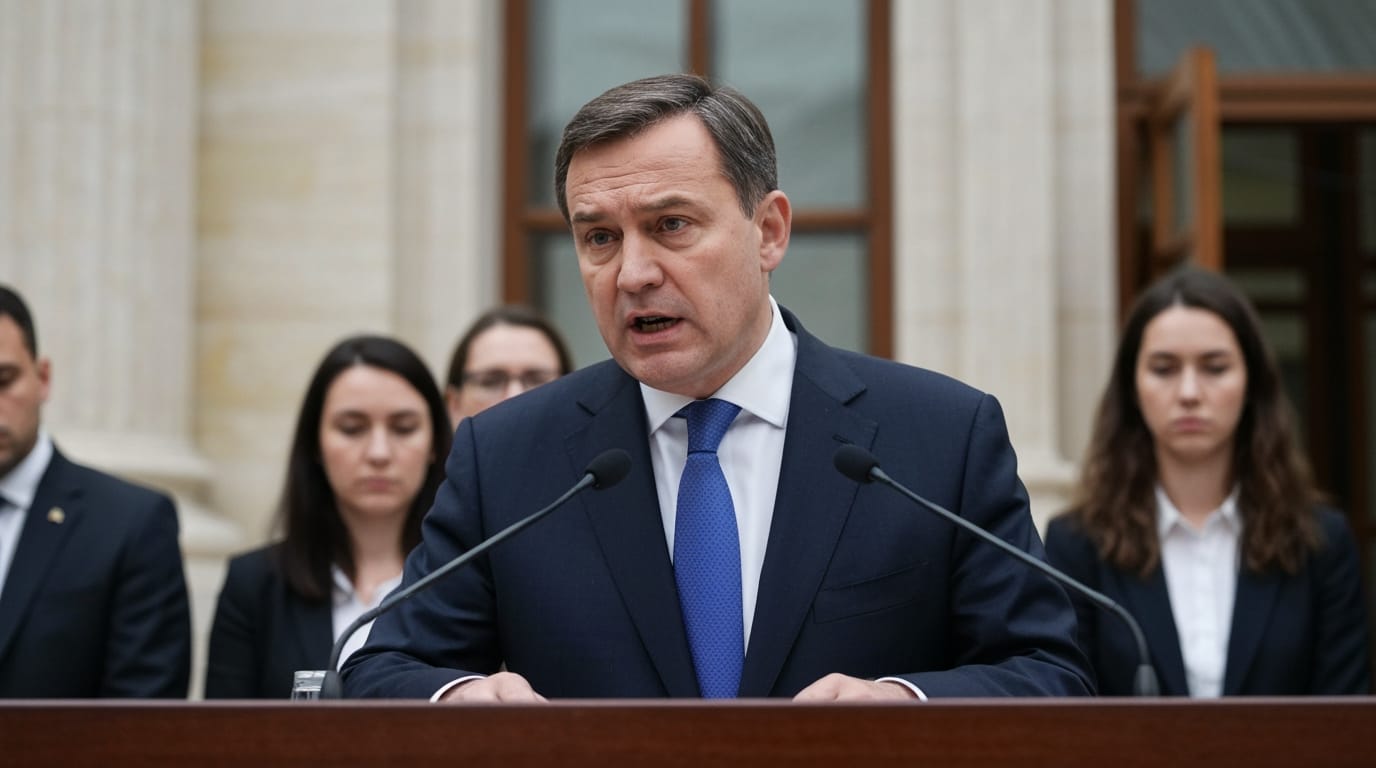
Brussels, Belgium – The European Union has unveiled its most expansive set of punitive measures against Russia to date, proposing an unprecedented entry ban for any Russian national who has served in the country's armed forces since the full-scale invasion of Ukraine began in February 2022. This landmark proposal, part of the bloc's 21st sanctions package, aims to further isolate Moscow and directly target individuals involved in the ongoing conflict, signaling a significant escalation in the EU's response.
The comprehensive package, announced by European Commission President Ursula von der Leyen on Tuesday, extends far beyond individual restrictions, encompassing new curbs on Russia's energy revenues, financial services, cryptocurrency operations, and trade. With these measures, the EU seeks to deepen the economic squeeze on the Kremlin, weaken its military capabilities, and prevent the circumvention of existing sanctions.
Europe Closes Borders to Russian Military Personnel
At the core of the new sanctions package is the explicit prohibition against entry into the European Union for anyone who has been part of the Russian armed forces since the start of the war in Ukraine. "Europe stays off limits for anyone who has participated in the invasion of Ukraine, as simple as that," President von der Leyen stated, emphasizing the direct link between military involvement and travel restrictions.
This measure marks a significant shift, directly targeting individuals rather than solely focusing on political figures or economic entities. The rationale behind the ban extends beyond mere retribution; it also addresses growing security concerns within the bloc. Several EU leaders have previously raised alarms regarding the potential risks posed by Russian ex-combatants, particularly those recruited from prisons, who might seek entry into the Schengen area and engage in criminal activities or hybrid attacks. Estonia, in particular, has been a vocal proponent of such a visa ban, with its foreign minister warning of potential security challenges from hundreds of thousands of ex-combatants entering Europe. Official data from 2025 indicated that Russian nationals submitted between 620,000 and 670,000 applications for Schengen visas, with a substantial number receiving permits, highlighting the scale of potential movement that this new ban aims to curtail.
Broadening Economic Warfare
Beyond the entry ban, the 21st sanctions package introduces a multifaceted assault on Russia's economic lifelines, designed to impact key sectors that fund its war effort. In the energy sector, the EU has proposed freezing the price cap on Russian oil at approximately $44 per barrel until January 2027. This move is intended to prevent Russia from benefiting from potential surges in global crude prices, particularly those stemming from geopolitical instabilities such as the recent closure of the Strait of Hormuz. Further restrictions include prohibiting the sale of liquefied natural gas (LNG) tankers to Russia.
The financial services sector also faces intensified pressure, with proposed transaction bans on 31 additional Russian banks. Crucially, the new measures extend to 20 financial institutions, cryptocurrency firms, and oil traders located in third countries that have been identified as facilitating sanctions evasion. To specifically counter the use of digital assets for bypassing restrictions, the EU will for the first time introduce the possibility of a full third-country ban for crypto-asset services, acting as a deterrent for nations hosting platforms that aid Russian circumvention efforts.
Trade restrictions are also being significantly expanded. The package proposes new import bans on Russian metals, ores, and car parts, collectively valued at €60 million. Export controls will be tightened on metals and alloys crucial for aerospace and defense industries, alongside drone equipment and launch systems. For the first time, Russian fisheries will be impacted, with restrictions including a complete ban on cod imports. The EU is also targeting companies globally that provide support to the Russian military-industrial complex, with plans to ban 14 firms based in mainland China and Hong Kong from acquiring EU goods.
Tackling Evasion and Shadow Networks
A significant focus of the new package is on disrupting Russia's sophisticated networks for sanctions circumvention, particularly its "shadow fleet" of oil tankers. The EU plans to add 30 more vessels to its existing blacklist, bringing the total number of sanctioned ships to over 660. These measures are designed not only to target the vessels themselves but also entities that enable their operations, including ships that provide fuel or other services to the shadow fleet. Infrastructure facilities such as ports, airports, and oil refineries involved in the trading or processing of Russian oil will also face new restrictions, underscoring the EU's determination to close all possible loopholes.
These efforts to combat evasion are part of an ongoing strategy. Since the initial invasion, the EU has continuously adapted its sanctions regime, introducing anti-circumvention tools and reinforcing cooperation with third countries. Previous packages have already targeted the shadow fleet and implemented measures to prevent the flow of dual-use technologies to Russia.
The Path Ahead and Cumulative Impact
The proposed 21st sanctions package now heads to the EU's 27 member states for debate and requires unanimous approval to be officially adopted. This process can sometimes involve intense negotiations, as member states weigh national interests and potential economic impacts. However, the consistent rollout of sanctions—this being the 21st package since February 2022—demonstrates the bloc's sustained commitment to pressuring Moscow.
According to EU officials, the cumulative effect of these sanctions is already weakening Russia's economic foundations and war machine. President von der Leyen highlighted that Russia's budget is under increasing pressure, with energy revenues falling significantly and a substantial portion of its sovereign wealth fund depleted. The sanctions are described as "biting hard and cutting deep," contributing to declining living standards for Russian citizens and increased costs for the Kremlin's war effort.
This latest package underscores the EU's unwavering support for Ukraine and its strategic objective of isolating Russia on multiple fronts. By directly targeting combatants, tightening economic nooses, and closing avenues for circumvention, the European Union continues to leverage its economic power in an attempt to compel a cessation of hostilities and uphold international law. While challenges in implementation and enforcement persist, the comprehensive nature of these new measures signals a sustained and determined effort to impact Russia's ability to wage war.


