US-Iran Peace Deal Appears Imminent Amidst Renewed Hostilities in Vital Strait
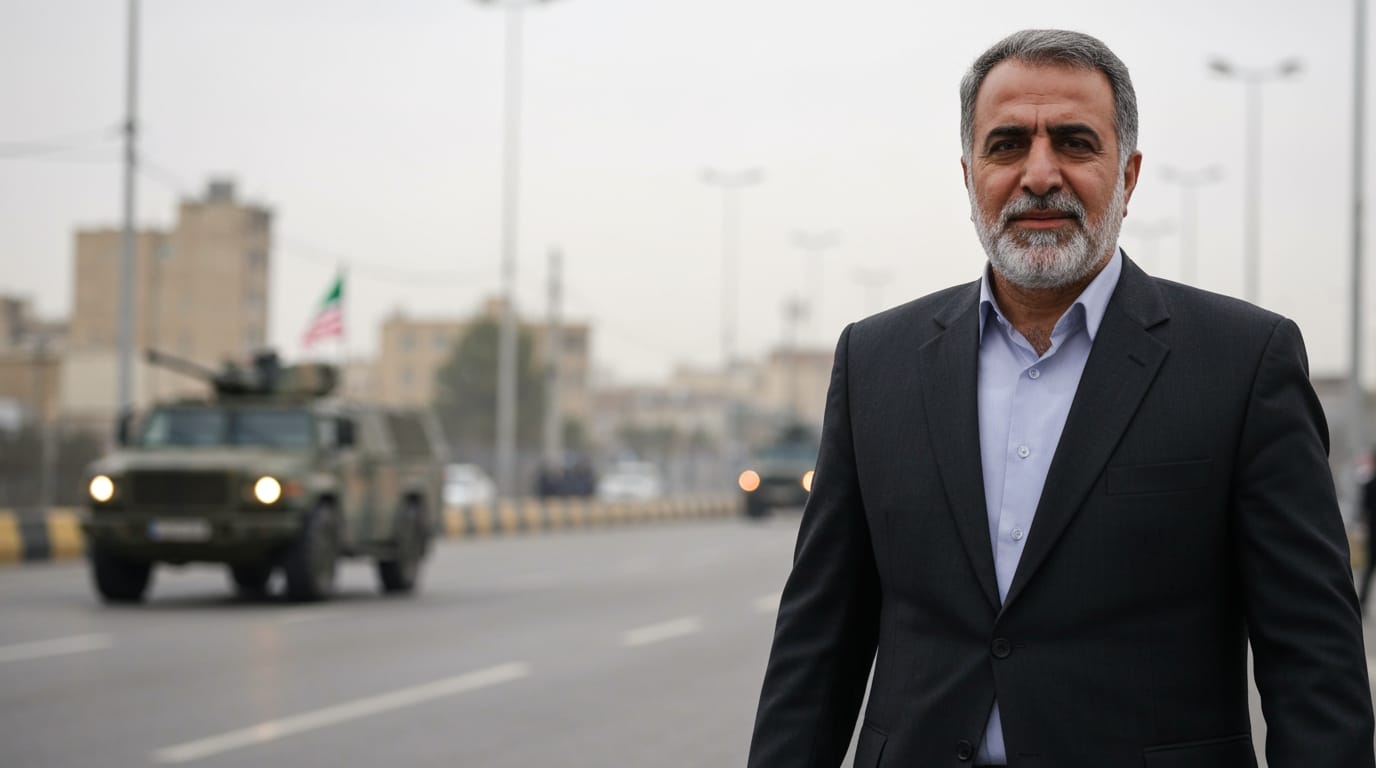
WASHINGTON/TEHRAN – Despite a significant escalation of military activity in the strategic Strait of Hormuz, the United States and Iran, along with key intermediary Pakistan, indicate that a comprehensive peace agreement to end months of conflict is nearing finalization. This paradoxical situation presents a delicate balance between diplomatic progress and persistent, high-stakes confrontation in one of the world's most critical maritime chokepoints.
The prospect of a deal emerges after a prolonged period of intense hostilities that have disrupted global energy markets and raised alarms about broader regional instability. While both sides express optimism about an imminent resolution, recent incidents in the Persian Gulf highlight the fragile nature of the negotiations and the deep-seated mistrust that continues to define US-Iran relations. The world watches cautiously as a potential diplomatic breakthrough unfolds against a backdrop of continued military maneuvering.
Breakthrough on the Horizon?
Mediated efforts, particularly by Pakistan, have reportedly brought Washington and Tehran to the cusp of a significant accord. Pakistani Prime Minister Shehbaz Sharif announced Friday that a "final, agreed upon text" of a US-Iran peace deal has been reached, with Islamabad now working closely with both nations to finalize the next steps. This statement was echoed by Iranian Foreign Minister Abbas Araghchi, who indicated that a deal has "never been closer" and that the specifics of a memorandum of understanding (MOU) would be publicly disclosed in due course.
A senior Trump administration official, speaking on condition of anonymity, corroborated the advanced stage of negotiations, suggesting that the two sides are "80 to 85 percent" of the way to an agreement. However, this official also acknowledged the complex internal dynamics within Iran that could still pose hurdles to a final commitment. The emerging agreement aims to address a conflict that ignited around February 28, 2026, following US and Israeli strikes on Iranian targets, leading to reciprocal actions and a profound disruption of global trade.
Hormuz: A Flashpoint Amidst Diplomacy
The diplomatic momentum comes despite continued military tensions, particularly in the Strait of Hormuz, through which roughly one-fifth of the world's oil and liquefied natural gas supplies typically transit. On Friday night, US Central Command (CENTCOM) reported intercepting multiple Iranian one-way attack drones targeting commercial ships traversing the strait. CENTCOM confirmed that US forces successfully downed these drones, ensuring that "traffic flow through the strait continues unimpeded" and "the international trade corridor remains open for transit."
These drone interceptions were not isolated incidents. Earlier reports from Iranian media also detailed explosions near Iran's Sirik port and Qeshm island, which local officials and residents attributed to warning shots fired by Iranian Revolutionary Guards' navy at vessels attempting to cross the waterway without authorization. Since the conflict's onset, the effective closure of the Strait of Hormuz, largely due to insurance withdrawals and heightened risk perceptions, has severely limited global energy supplies, sending oil and gas prices soaring and contributing to fears of a worldwide recession. The reopening of this vital chokepoint is considered a paramount objective for global economic stability.
Contested Terms and Conflicting Narratives
While both sides signal progress, significant discrepancies persist in their public characterizations of the emerging agreement's terms. Reports suggest the memorandum of understanding (MOU) would include an immediate reopening of the Strait of Hormuz, potentially with Iran charging "service fees." A 60-day ceasefire extension, possibly encompassing regional proxy conflicts in Lebanon, is also reportedly part of the initial phase.
On the critical issue of Iran's nuclear program, the proposed deal reportedly stipulates Iran committing not to enrich uranium for 15 to 20 years and dismantling its nuclear sites. Furthermore, a senior US official indicated that the enriched material would be "destroyed on site and then taken out of the country." However, Iranian Foreign Minister Araghchi has suggested that Iran's preferred solution would be to retain the material in a diluted form, highlighting a potential point of contention. Subsequent nuclear negotiations would form a second phase of the agreement.
Financial relief for Iran, including the unfreezing of assets and waivers on oil export sanctions, is another central element, to be staggered and sequenced with Tehran's compliance. However, the precise timing of these releases remains a point of disagreement, with some Iranian officials reportedly pushing for upfront funds while US officials insist that "none of their money will be released until they perform." Iran has also sought substantial war reparations, a notion the US has largely rejected.
President Donald Trump, while acknowledging a deal is near, has publicly disavowed Iranian state media's descriptions of the agreement's terms, calling them "TOTALLY UNACCEPTABLE" and stating they have "NOTHING to do with the terms that were agreed to, in writing." A US official even characterized some Iranian public statements as "domestic propaganda" aimed at selling the deal internally. These conflicting interpretations underscore the persistent trust deficit between the two nations, even as they inch toward a resolution.
A Precarious Path to Lasting Peace
The pursuit of a peace deal, while offering a glimmer of hope, remains fraught with challenges. The ongoing military actions in the Strait of Hormuz underscore the volatility of the region and the difficulty of disentangling complex security interests. While the immediate priority for the US appears to be securing the reopening of the Strait and restoring freedom of navigation to stabilize global energy markets, the longer-term issues, particularly Iran's nuclear program and its regional influence, present formidable obstacles.
Should an agreement be formalized, it promises significant geopolitical and economic ramifications. The reopening of the Strait of Hormuz is expected to alleviate pressure on oil prices, which have already seen fluctuations based on diplomatic developments. A successful resolution could foster greater regional stability, potentially influencing conflicts involving Iranian-backed groups. Conversely, a failure to secure a lasting agreement, or a breakdown in its implementation, risks plunging the region back into deeper conflict with profound global consequences. The intricate dance between diplomacy and military posturing continues, with the world awaiting whether this latest convergence will lead to a genuine and enduring peace.


